
Post 1 – Countronics

Hydroponics And Fertigation pH Control: Ideal Ranges, Nutrient Dosing And Sensor Care

In short: Most hydroponic crops grow best with nutrient solution at about pH 5.5–6.5. Outside this range some nutrients — iron, phosphorus, calcium — become less available even if they are present. Control pH with small, delayed acid (or alkali) doses, and monitor conductivity (EC) alongside pH, because both drift as plants take up water and nutrients.

Why pH Matters So Much in Hydroponics

With no soil to buffer it, nutrient solution pH can move quickly. If it rises above about 6.5, iron and manganese become less available and leaves yellow; if it falls too low, calcium and magnesium uptake suffers and roots can be damaged.

Typical Target Ranges

System / cropTypical pH
Leafy greens (lettuce, spinach)5.5–6.5
Tomato, cucumber, capsicum5.5–6.5
Strawberry5.5–6.2
Drip fertigation in soilOften 5.8–6.5, depending on soil

Seed and nutrient suppliers often give crop-specific targets; use them where available.

Dosing pH Correctly

  • Most systems drift upwards, so pH-down (dilute phosphoric or nitric acid) is used most.
  • Dose small amounts with a delay for mixing before re-checking.
  • Dose into the reservoir return or a mixing zone, never next to the electrode.
  • Set an alarm for maximum dosing time — an empty acid tank is a common failure.

Pair pH With EC (Conductivity)

EC shows how much fertiliser is dissolved. As plants drink, EC rises; as they feed, it falls. Watching pH and EC together tells you whether to add water, nutrients or acid. See conductivity vs TDS.

Sensor Care

  • Calibrate the pH electrode weekly with pH 7 and pH 4 buffers.
  • Clean off algae and biofilm; keep the electrode wet.
  • Replace electrodes that respond slowly or cannot be calibrated.

Mistakes to Avoid

  1. Large acid doses causing pH crashes.
  2. Probe in a dead zone with no flow.
  3. Ignoring EC while chasing pH.
  4. Skipping calibration.

Quick Checklist

  • Target pH for the crop
  • Dilute pH-down chemical
  • Dosing delay and max-time alarm
  • EC monitored
  • Weekly calibration

Frequently Asked Questions

What is the best pH for hydroponics?

For most crops, about 5.5 to 6.5. Some crops prefer the lower end of this range.

Why does hydroponic pH keep rising?

Plant nutrient uptake, especially of nitrate, tends to push pH upward, so most systems need regular pH-down dosing.

Should I monitor EC as well as pH?

Yes. EC shows nutrient strength and changes as plants feed and drink; pH and EC together guide corrections.

How often should a hydroponic pH sensor be calibrated?

Weekly is a good routine, using pH 7 and pH 4 buffers.

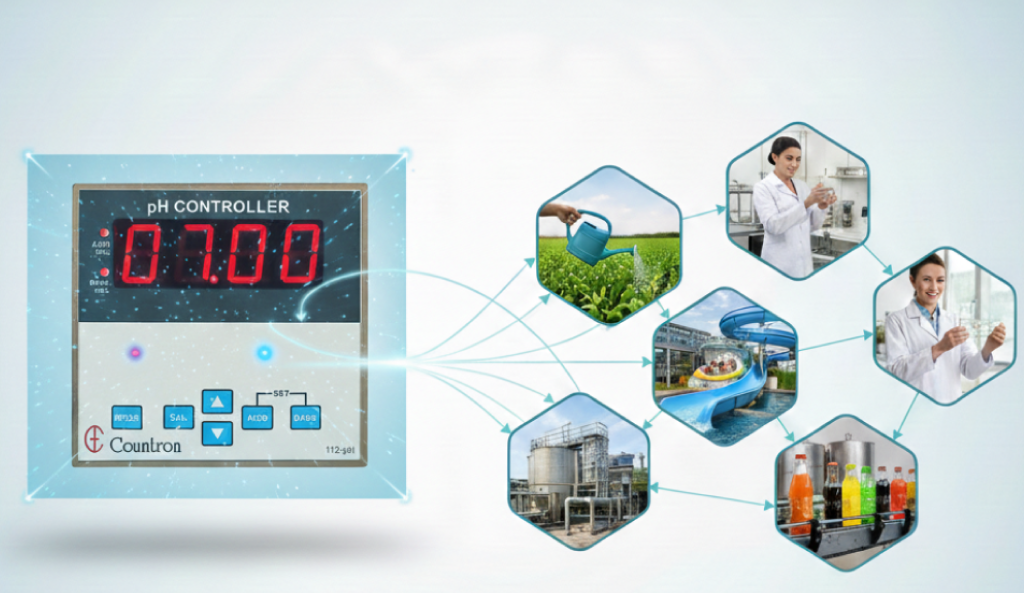
Can a pH controller dose acid automatically?

Yes. A pH controller with a relay can run a dosing pump when pH rises above the set point.

Automating Nutrient pH?

Countronics makes pH controllers and conductivity controllers for dosing systems. Tell us your reservoir size and crop.


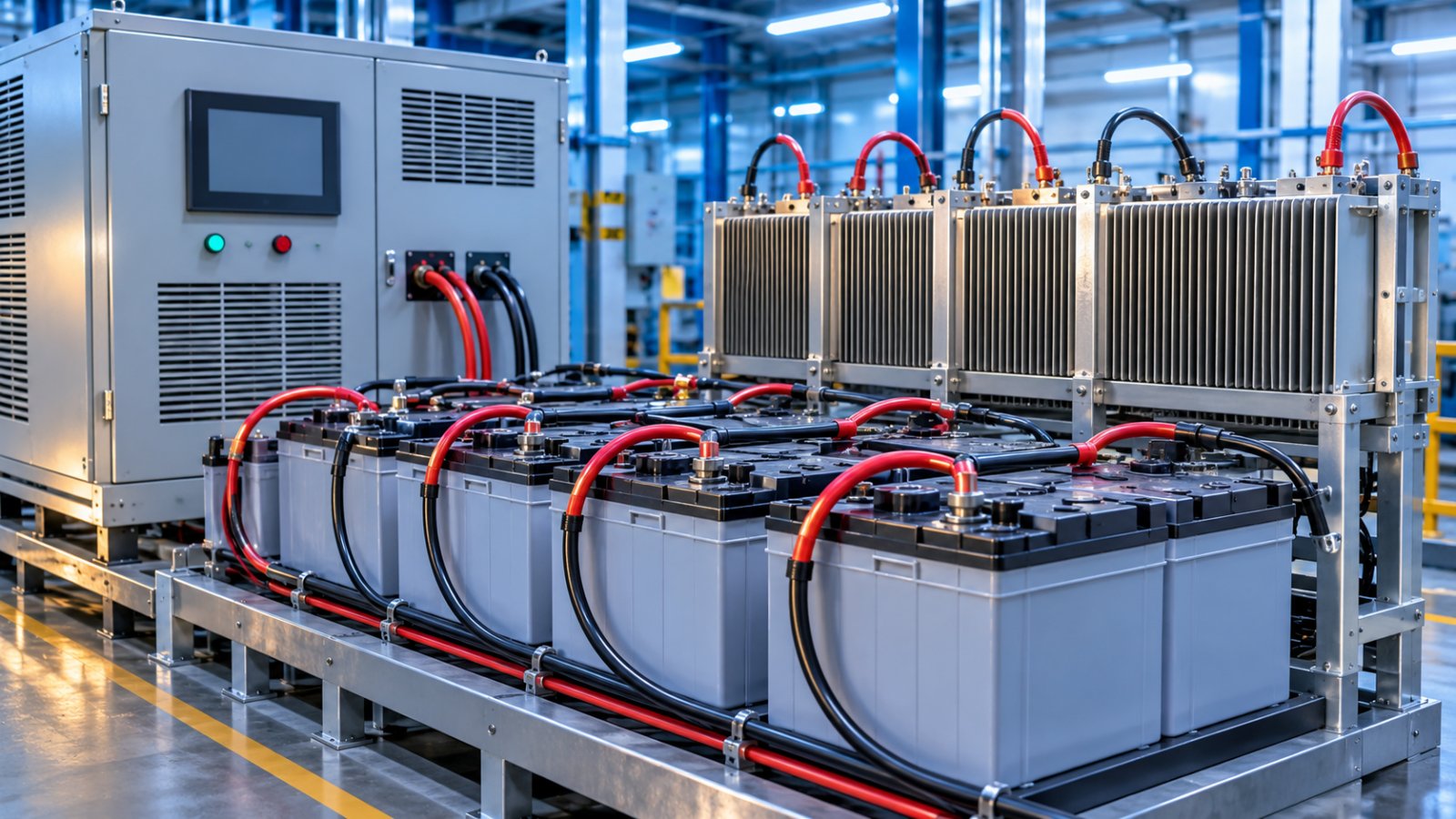
In short: A battery’s capacity is the ampere-hours it can deliver before reaching its cut-off voltage. A rectifier charger converts AC mains to controlled DC and charges in constant-current then constant-voltage stages; a
Battery Charge And Discharge Testing: How A Rectifier Charger Works, Discharging Through A Load And Measuring Capacity With An Ah Meter
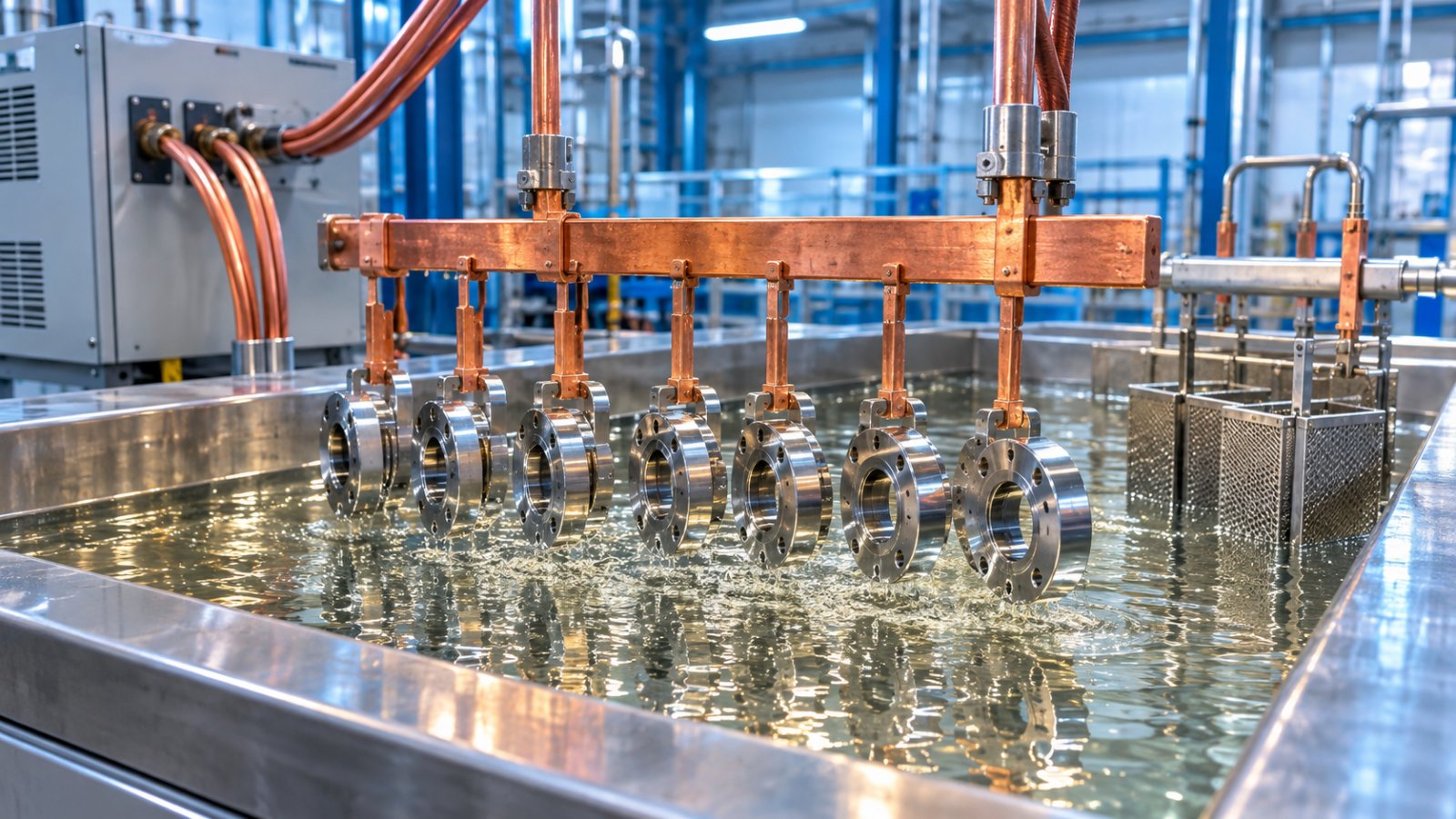
In short: In electroplating, metal is deposited on the part in direct proportion to the electric charge passed — ampere-hours (Ah). At 100 % efficiency, 1 Ah per dm² deposits about 12.3 µm
Precision Electroplating With An Ampere-Hour Meter: How Plating Works, Faraday’s Law And Why Charge Control Beats A Timer
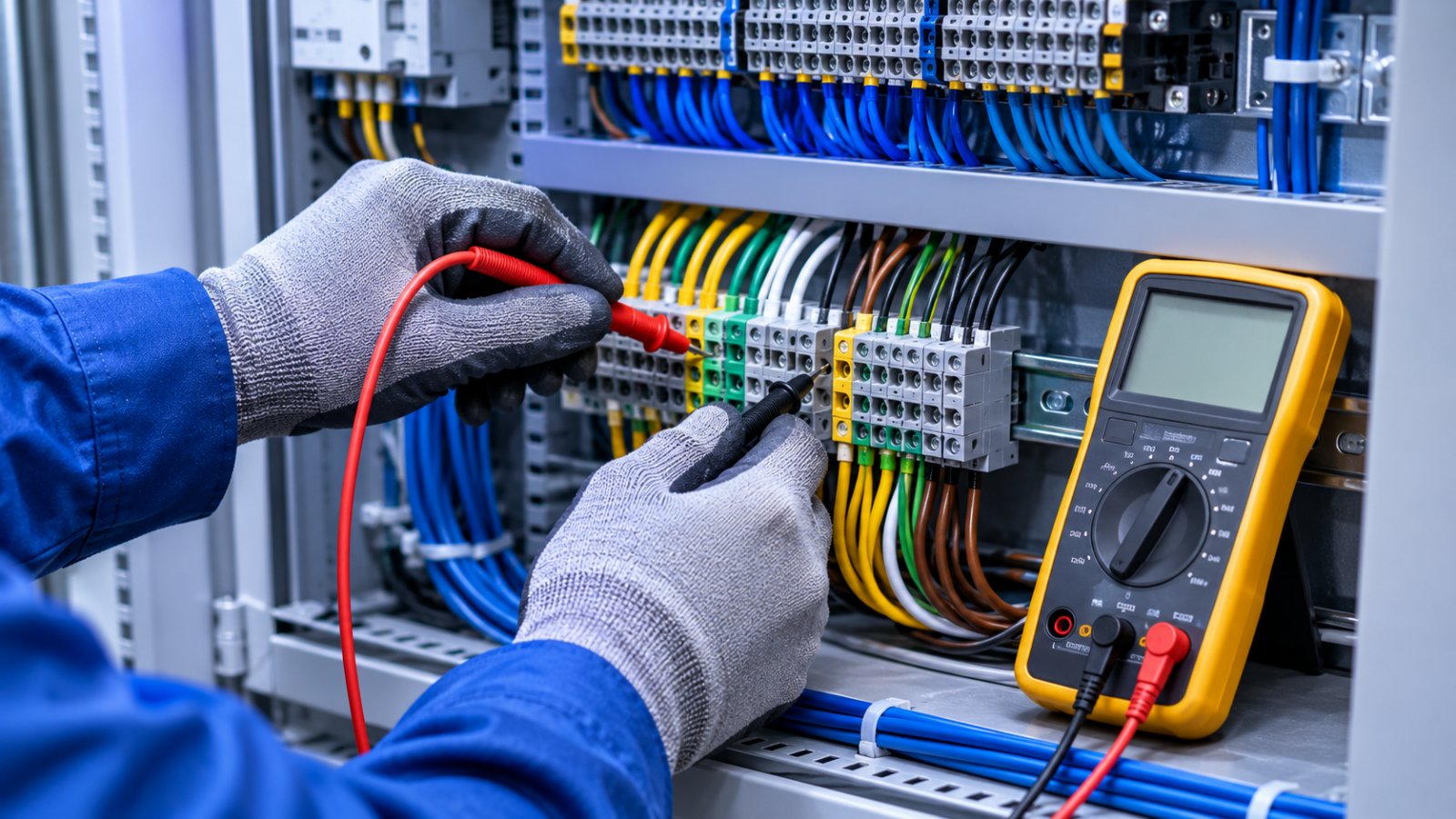
In short: Most thermocouple faults are wiring, not the sensor. Check in this order: right type selected in the instrument → polarity at every joint → same-type extension cable (no copper) → connections
Thermocouple Troubleshooting: Wrong Readings, Reversed Wires, Noise, Drift And Open Circuits