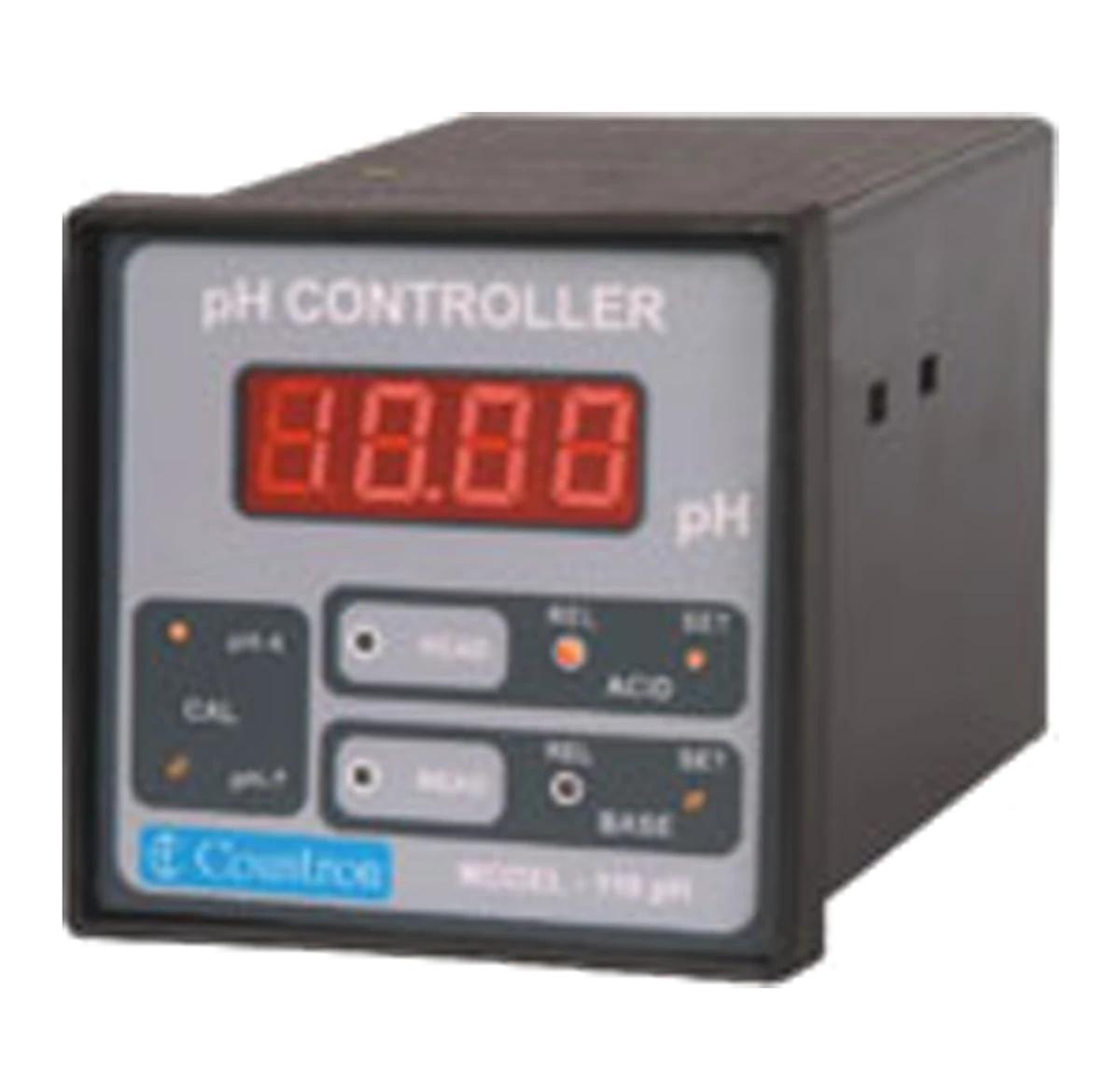

Dual Limits pH Controller with Iso 4 20mA Tx Output

pH In Boiler Feed Water And Cooling Towers: Typical Ranges, Dosing And Corrosion Control

In short: Boiler feed water is usually kept slightly alkaline to protect steel from corrosion — often around pH 8.5–9.5, depending on boiler pressure and metals. Cooling towers are commonly run around pH 7–9 to balance scaling, corrosion and biocide effect. Your water-treatment supplier sets the exact targets; continuous pH monitoring keeps you inside them.

Why pH Matters

SystemToo low pHToo high pH
Boiler feed and condensateAcid corrosion of steel and copperCaustic attack, foaming, carry-over
Cooling towerCorrosion of pipes and heat exchangersScaling, weaker chlorine biocide

Typical Ranges

SystemCommonly used pH
Boiler feed waterAbout 8.5–9.5
Steam condensateAbout 8.5–9.2
Cooling tower waterAbout 7–9, depending on programme

Targets depend on boiler pressure, materials (especially copper alloys) and the chemical programme. Always follow your water-treatment specialist.

How pH Is Adjusted

  • Boilers: alkali dosing, amines for condensate lines
  • Cooling towers: acid dosing to limit scaling, sometimes alkali
  • Blowdown controlled by conductivity to limit dissolved solids

Monitoring Tips

  • Cool hot samples through a sample cooler before measuring
  • Use electrodes suitable for low-conductivity water in boiler feed
  • Combine pH with conductivity for a full picture
  • Alarms on high and low pH

See pH controllers and conductivity controllers, and ORP in cooling towers.

Mistakes to Avoid

  1. Measuring hot boiler water without cooling.
  2. Standard electrode in very low-conductivity water.
  3. pH control without conductivity blowdown.
  4. Ignoring the treatment supplier’s targets.

Quick Checklist

  • Targets from treatment supplier
  • Sample cooling
  • Suitable electrode
  • pH and conductivity both monitored
  • Alarms set

Frequently Asked Questions

What pH should boiler feed water be?

It is usually kept slightly alkaline, often around pH 8.5 to 9.5, depending on boiler pressure and materials. Follow your water-treatment specialist.

What pH is best for a cooling tower?

Commonly about 7 to 9, depending on the treatment programme, to balance corrosion, scaling and biocide effectiveness.

Why measure pH and conductivity together?

pH shows corrosion and scaling tendency; conductivity shows dissolved solids and controls blowdown.

Can I measure boiler water pH directly?

Cool the sample first through a sample cooler; hot samples damage electrodes and give misleading readings.

Which electrode suits low-conductivity water?

Use an electrode designed for low ionic strength water for stable readings.

Monitoring Boiler Or Cooling Water?

Countronics makes pH and conductivity controllers with relay and 4–20 mA outputs. Tell us your system.


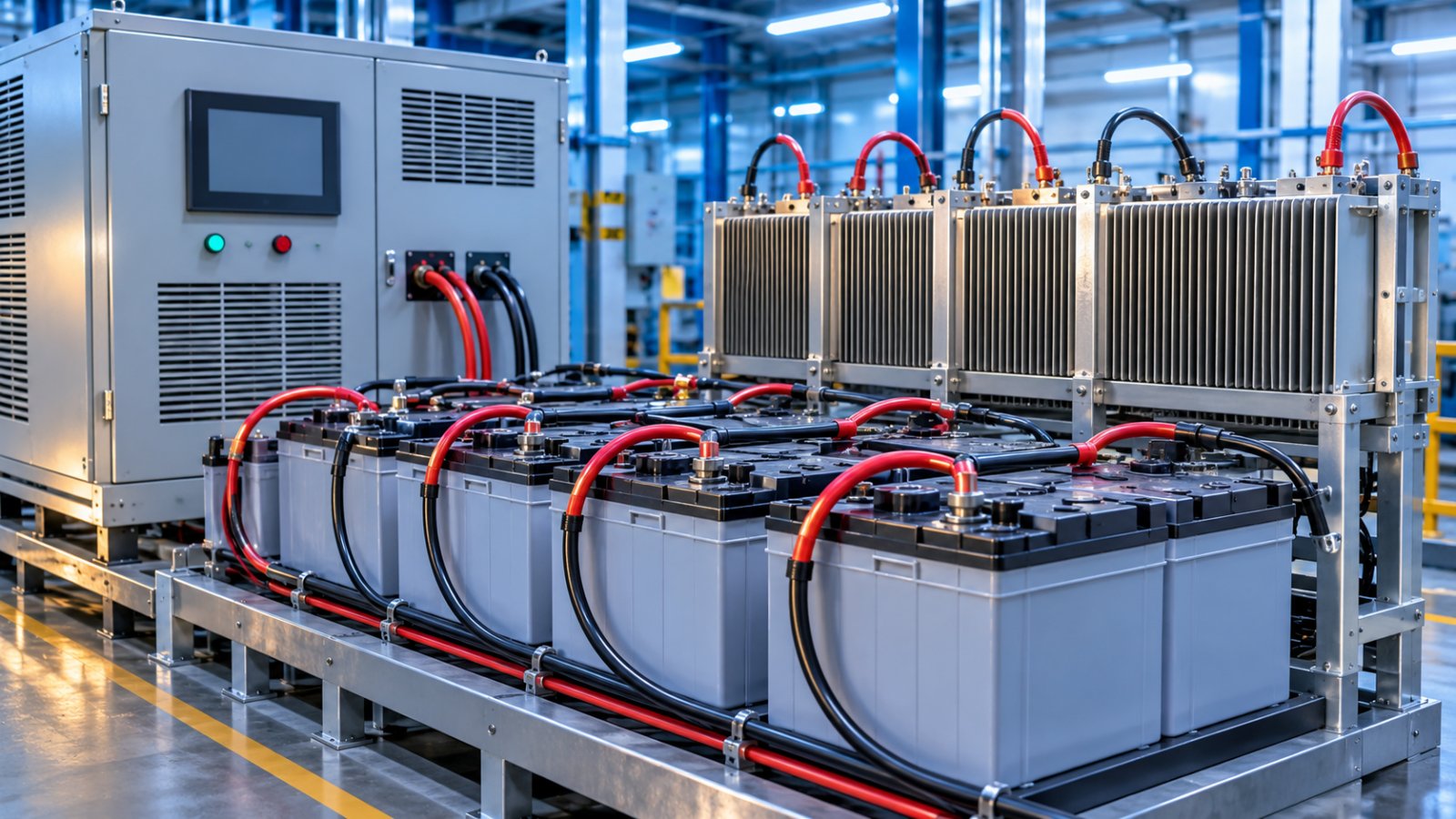
In short: A battery’s capacity is the ampere-hours it can deliver before reaching its cut-off voltage. A rectifier charger converts AC mains to controlled DC and charges in constant-current then constant-voltage stages; a
Battery Charge And Discharge Testing: How A Rectifier Charger Works, Discharging Through A Load And Measuring Capacity With An Ah Meter
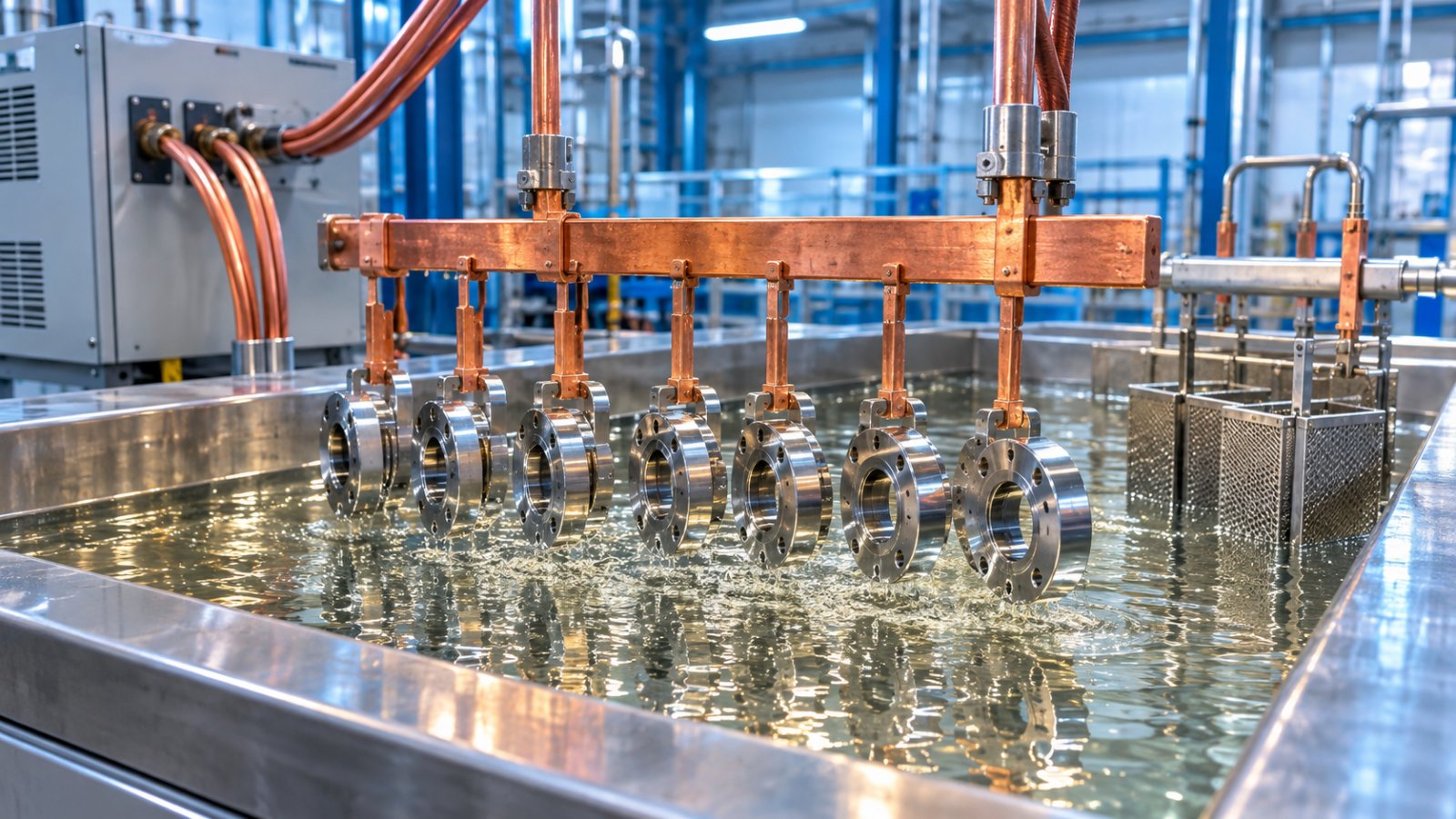
In short: In electroplating, metal is deposited on the part in direct proportion to the electric charge passed — ampere-hours (Ah). At 100 % efficiency, 1 Ah per dm² deposits about 12.3 µm
Precision Electroplating With An Ampere-Hour Meter: How Plating Works, Faraday’s Law And Why Charge Control Beats A Timer
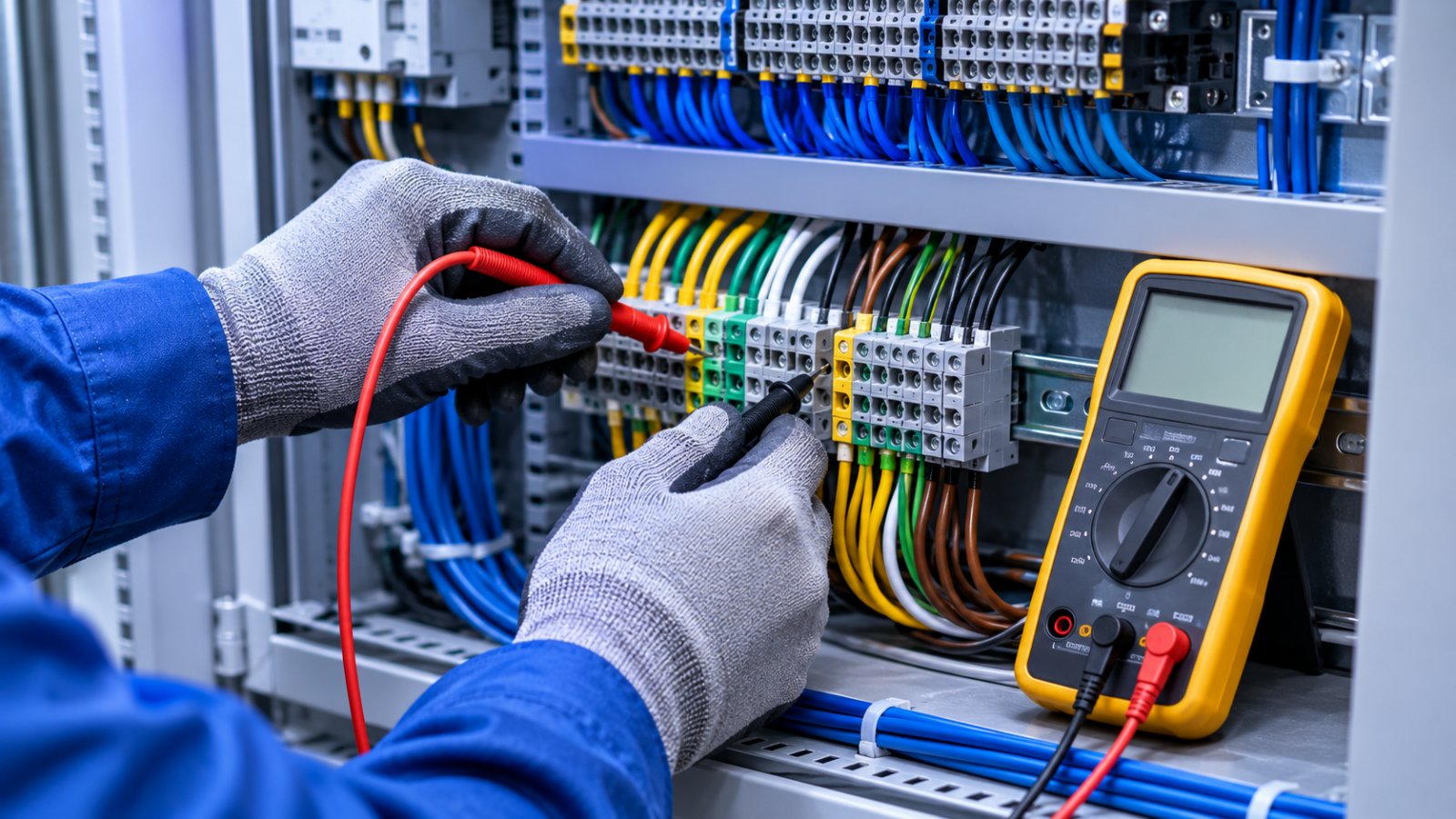
In short: Most thermocouple faults are wiring, not the sensor. Check in this order: right type selected in the instrument → polarity at every joint → same-type extension cable (no copper) → connections
Thermocouple Troubleshooting: Wrong Readings, Reversed Wires, Noise, Drift And Open Circuits