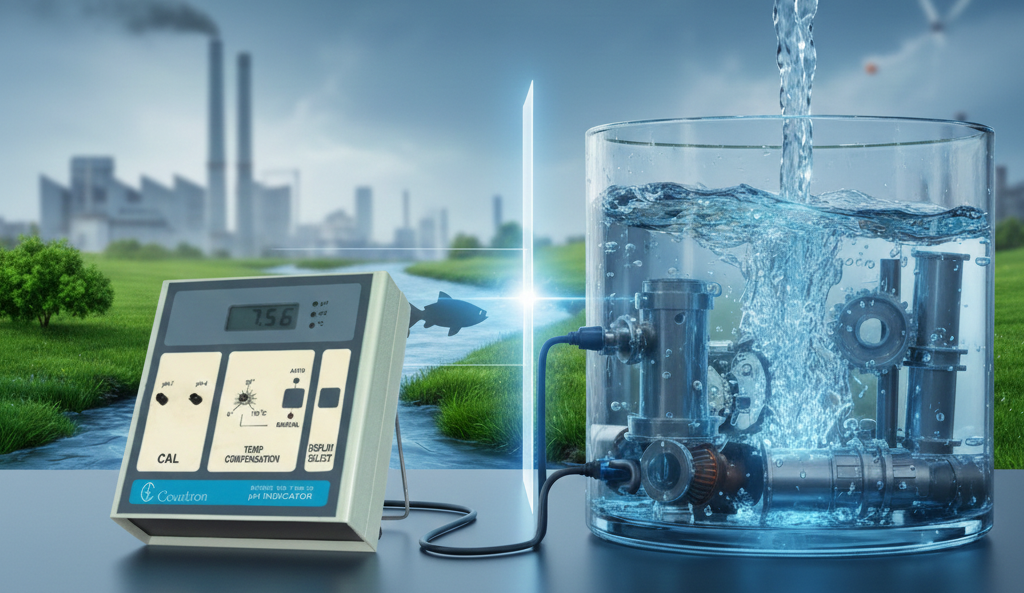

pH controller is a complete water solution

pH Dosing Pump Control: On/Off vs Pulse Dosing, Acid Or Alkali Choice And How To Stop Overshoot

In short: pH overshoot usually comes from too much chemical, too fast, with too little mixing. Size the pump for the real demand, use pulse or proportional dosing near the set point, place the electrode where the water is well mixed, and add a dosing delay so the controller waits for the reaction before dosing again.

On/Off vs Pulse (Proportional) Dosing

ModeHow it worksUse when
On/offPump runs fully until pH reaches set pointLarge tanks, slow processes, buffered water
Pulse / proportionalPump runs in short pulses that shrink as pH nears set pointSmall tanks, inline dosing, weakly buffered water

Choosing the Chemical

  • Lower pH: sulphuric or hydrochloric acid, or CO₂ for drinking-water and pools.
  • Raise pH: caustic soda, lime or soda ash.
  • Use dilute chemicals for small flows — concentrated acid in a small tank is the most common cause of overshoot.

Why pH Overshoots

CauseFix
Pump too largeSmaller pump, dilute chemical, or pulse dosing
Poor mixingAdd a mixer; dose at the inlet of the mixing zone
Electrode too far from dosing pointReduce dead time; place probe after mixing
No dosing delaySet a pause so the reaction can complete
Hysteresis too smallWiden the band to stop hunting

Controller Settings

  • Set point and hysteresis (often 0.1–0.3 pH)
  • Maximum dosing time alarm — catches an empty tank or failed pump
  • Separate acid and alkali relays if pH can go both ways
  • 4–20 mA output to a variable-speed pump for smooth control

Countronics pH controllers such as the 112pH and 110pH offer two set limits and 4–20 mA outputs — see pH and ORP controllers. For background, see what is a pH controller.

Mistakes to Avoid

  1. Concentrated chemical in a small tank.
  2. Electrode placed right at the dosing point.
  3. No overdose alarm.
  4. Both acid and alkali pumps allowed to run together.

Quick Checklist

  • Chemical and strength
  • Pump size vs demand
  • Mixing and probe location
  • Hysteresis and delay
  • Max dosing time alarm

Frequently Asked Questions

Why does my pH keep overshooting the set point?

Usually because the dosing pump is too large for the demand, mixing is poor, or the electrode is too far from or too close to the dosing point. Pulse dosing and a dosing delay help.

Should I use on/off or proportional pH dosing?

On/off suits large, buffered tanks. Pulse or proportional dosing is better for small tanks and inline dosing.

Where should the pH electrode be installed?

Downstream of the mixing zone, where the water is well mixed but not so far that the reading lags badly.

What is a dosing delay?

A pause after each dose so the chemical can react before the controller decides to dose again.

Can one controller handle both acid and alkali dosing?

Yes, with two relays — one for each pump — and an interlock so both never run together.

Fixing pH Dosing Problems?

Countronics makes pH controllers with dual limits and 4–20 mA outputs for dosing pumps. Share your tank size, flow and chemical and we will suggest settings.


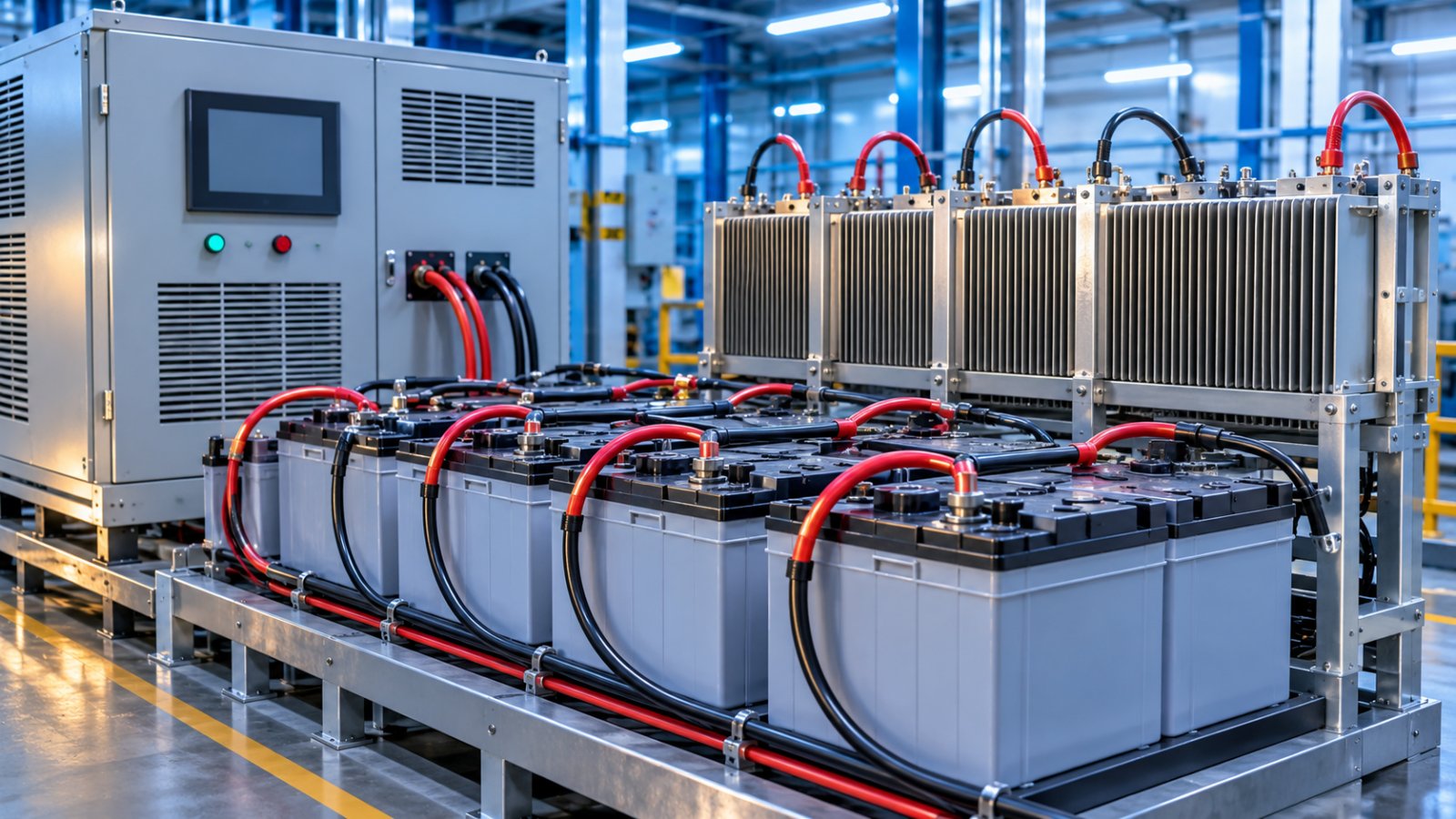
In short: A battery’s capacity is the ampere-hours it can deliver before reaching its cut-off voltage. A rectifier charger converts AC mains to controlled DC and charges in constant-current then constant-voltage stages; a
Battery Charge And Discharge Testing: How A Rectifier Charger Works, Discharging Through A Load And Measuring Capacity With An Ah Meter
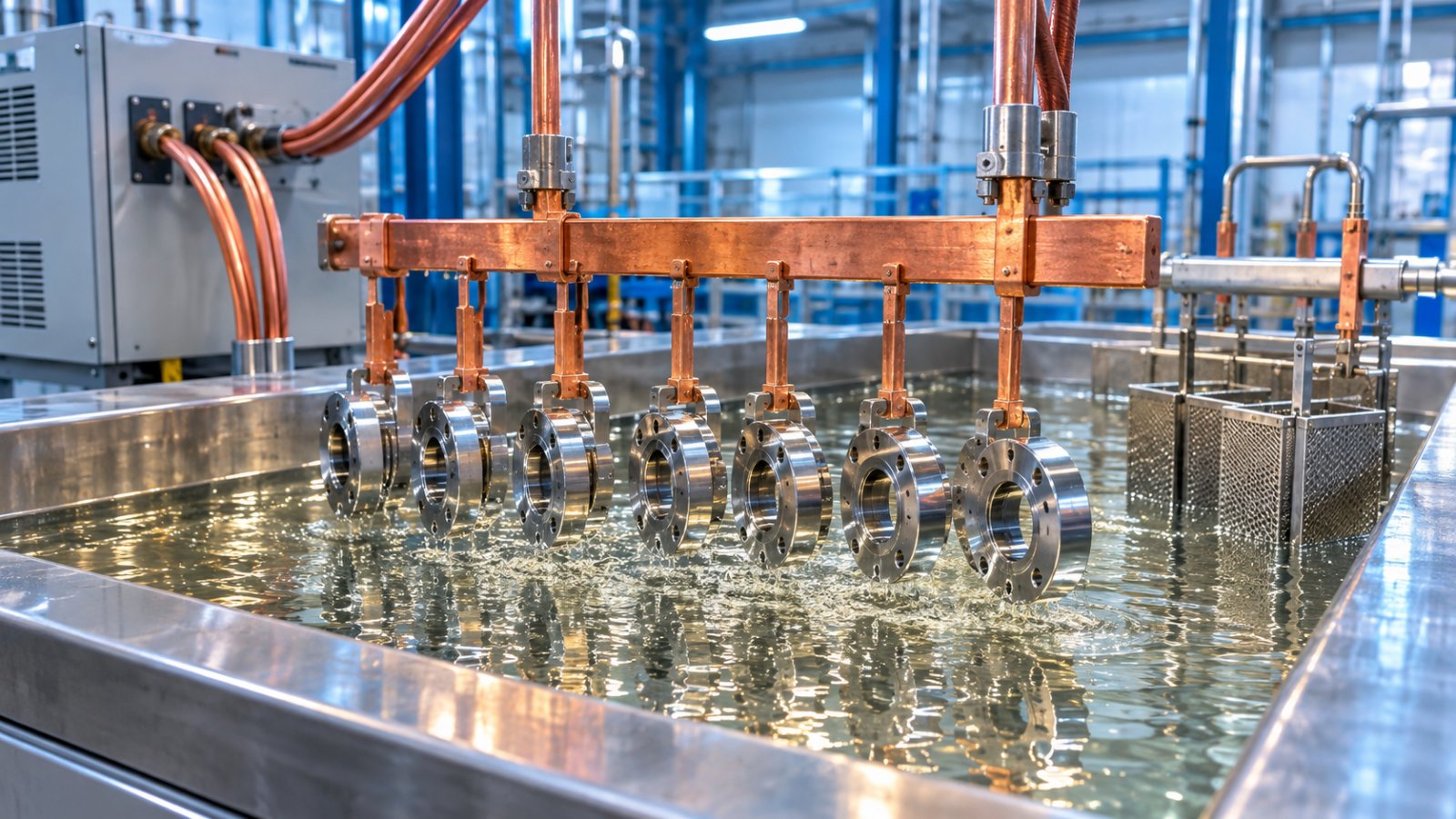
In short: In electroplating, metal is deposited on the part in direct proportion to the electric charge passed — ampere-hours (Ah). At 100 % efficiency, 1 Ah per dm² deposits about 12.3 µm
Precision Electroplating With An Ampere-Hour Meter: How Plating Works, Faraday’s Law And Why Charge Control Beats A Timer
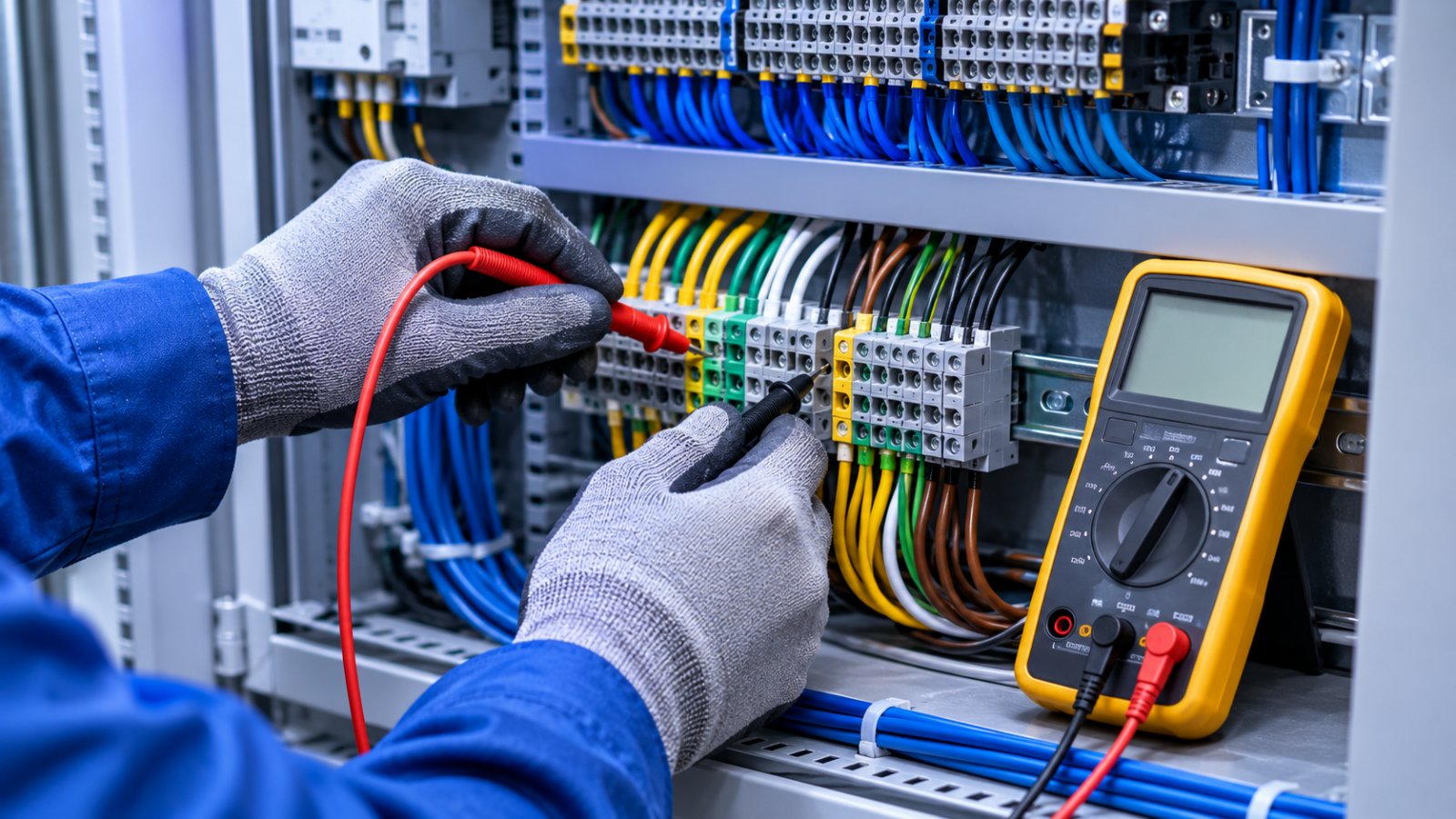
In short: Most thermocouple faults are wiring, not the sensor. Check in this order: right type selected in the instrument → polarity at every joint → same-type extension cable (no copper) → connections
Thermocouple Troubleshooting: Wrong Readings, Reversed Wires, Noise, Drift And Open Circuits