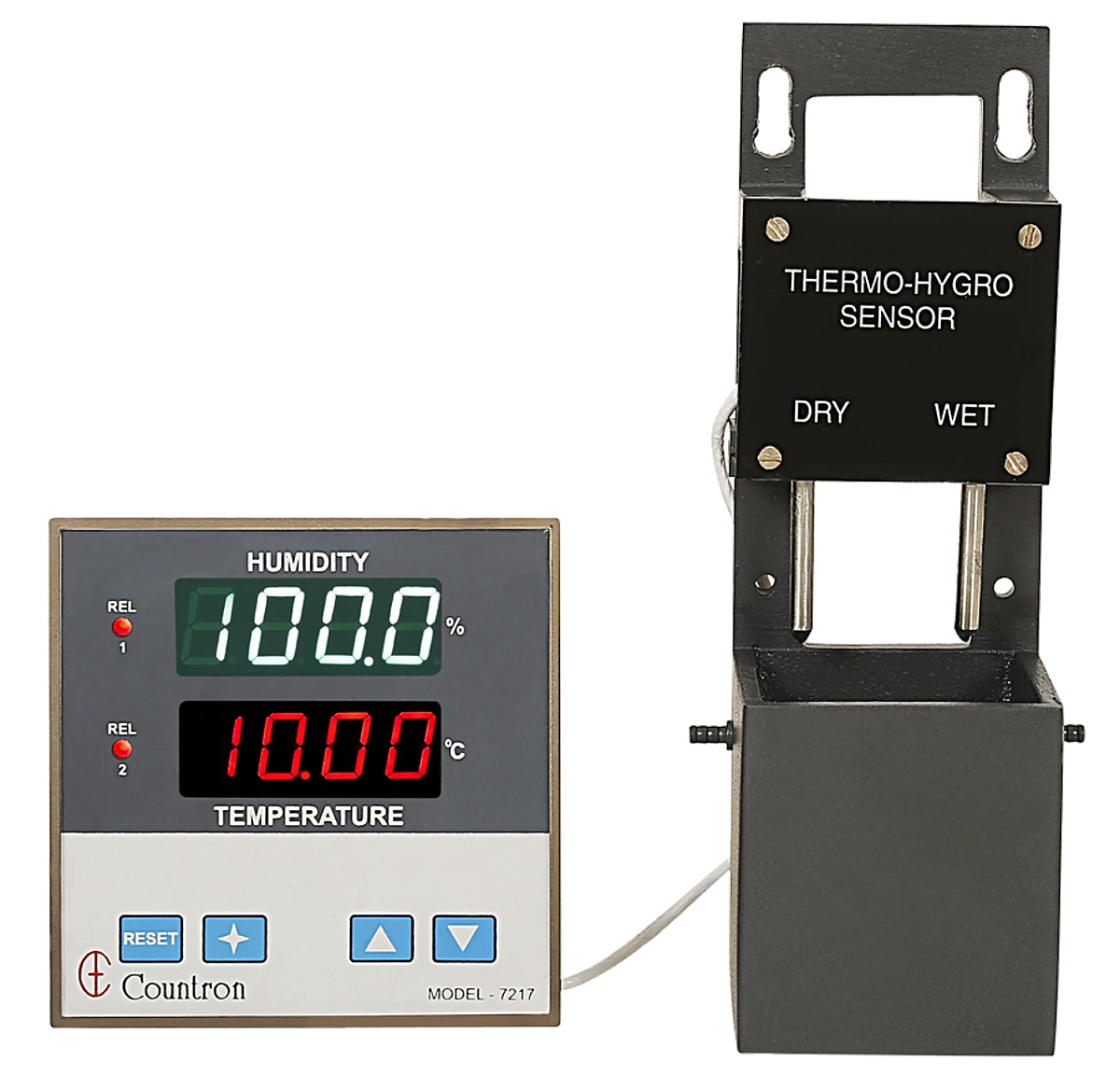
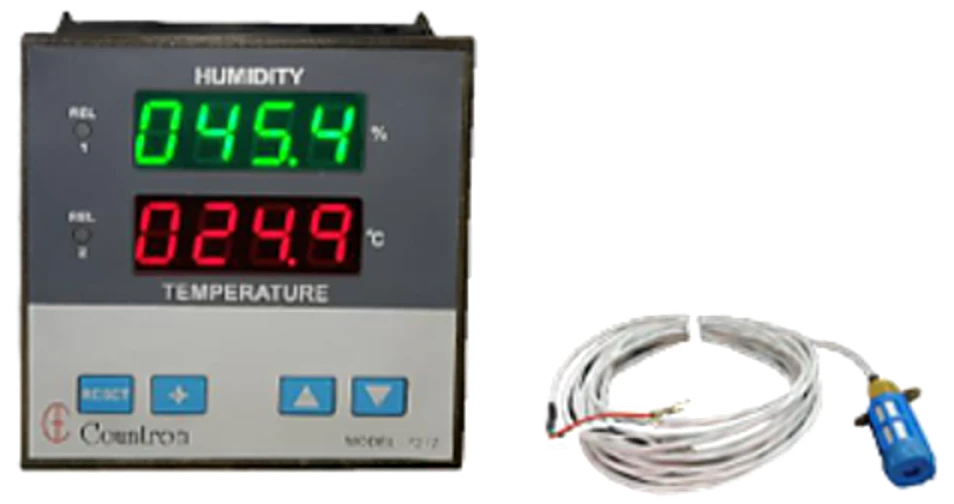
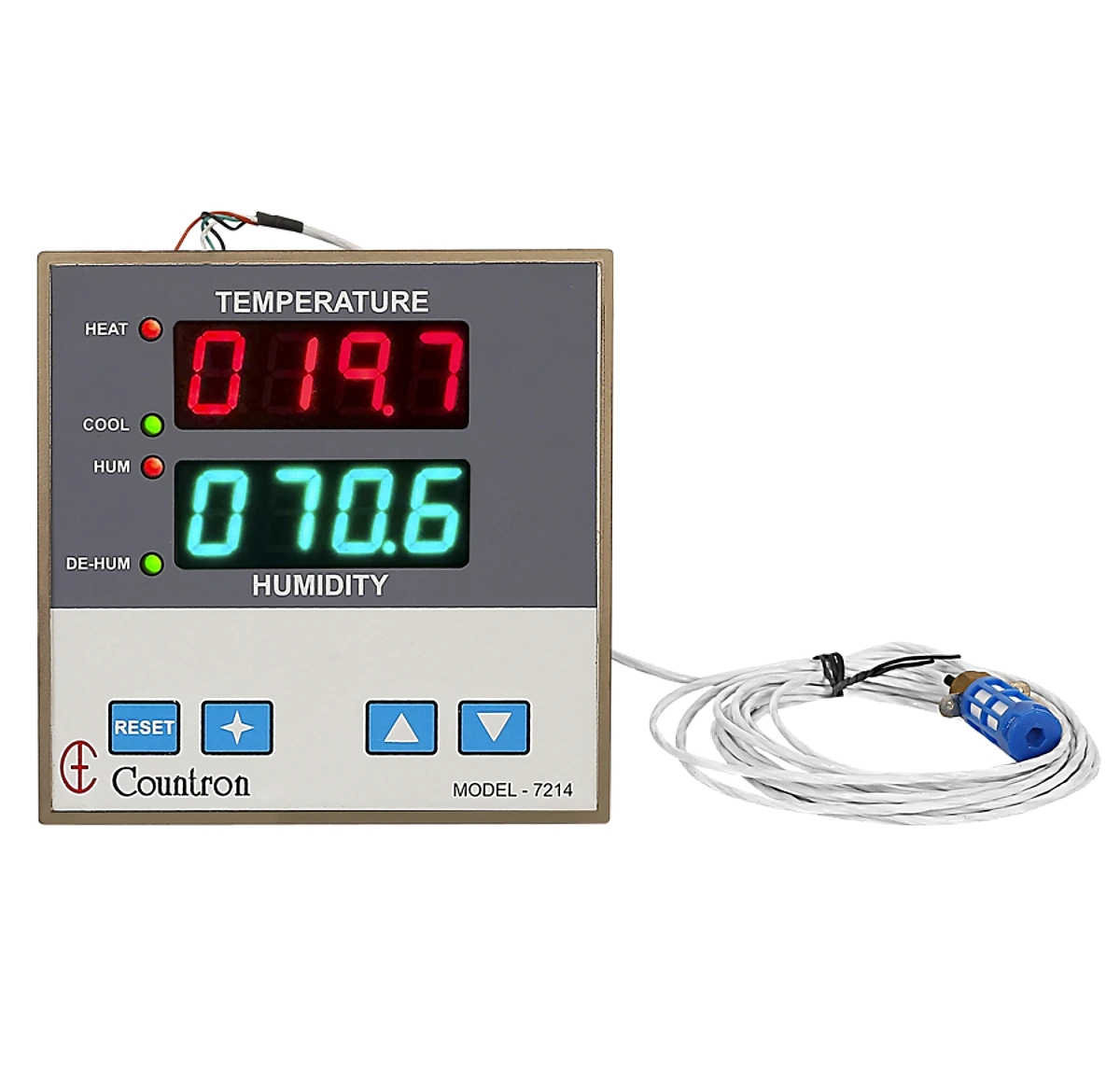
In short: Mushroom fruiting rooms run very humid — commonly around 80–95 %RH — while most greenhouse crops prefer a moderate band with good air movement. Use a controller with separate humidify and
Mushroom And Greenhouse Humidity Control: RH Targets, Misting, Ventilation And Disease Risk
In short: For paper, wood, textiles and mixed collections, stability matters as much as the number. Many institutions aim for a moderate band — often around 40–60 %RH — and limit how fast
Humidity In Museums, Archives And Libraries: Stable RH For Paper, Wood, Textiles And Artefacts
In short: Stored grain, seed and spices slowly reach moisture balance with the surrounding air. Humid air raises their moisture content, encouraging mould, insects and quality loss; very dry air can cause weight
Humidity In Grain, Seed And Spice Storage: Why Moisture Control Prevents Mould, Insects And Weight Loss
In short: Electronics assembly needs humidity in a middle band — commonly around 30–60 %RH. Too dry and static discharge damages components; too humid and moisture-sensitive parts absorb water and can crack during
Humidity Control For Electronics And SMT Assembly: Static, Moisture-Sensitive Components And Dry Storage
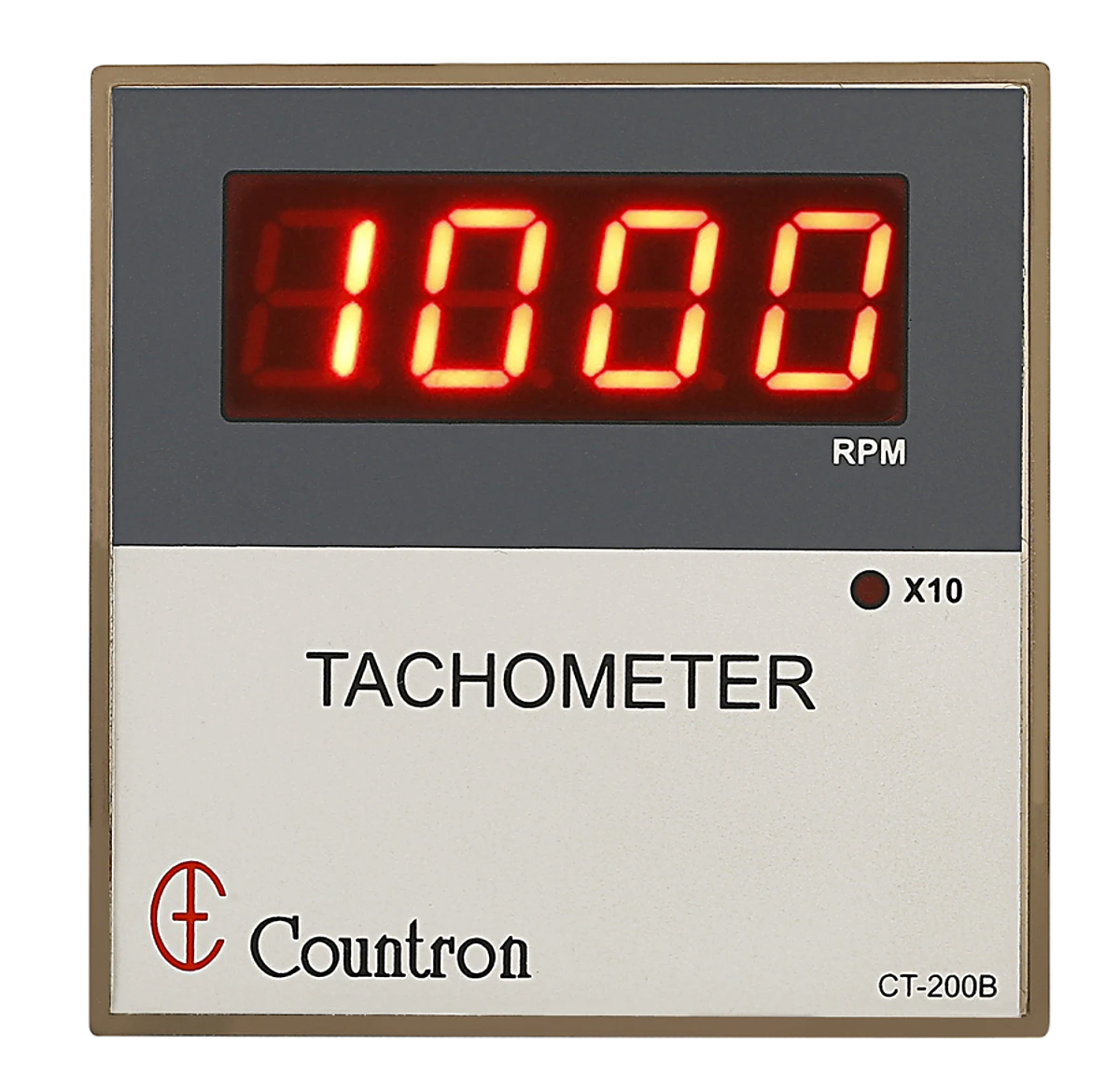
In short: A speed monitor watches a non-driven pulley or shaft with a proximity sensor. If speed falls below a set point — belt slip, a broken coupling, a jam — it raises
Under-Speed And Zero-Speed Monitoring For Conveyors, Bucket Elevators And Crushers: Belt Slip Protection
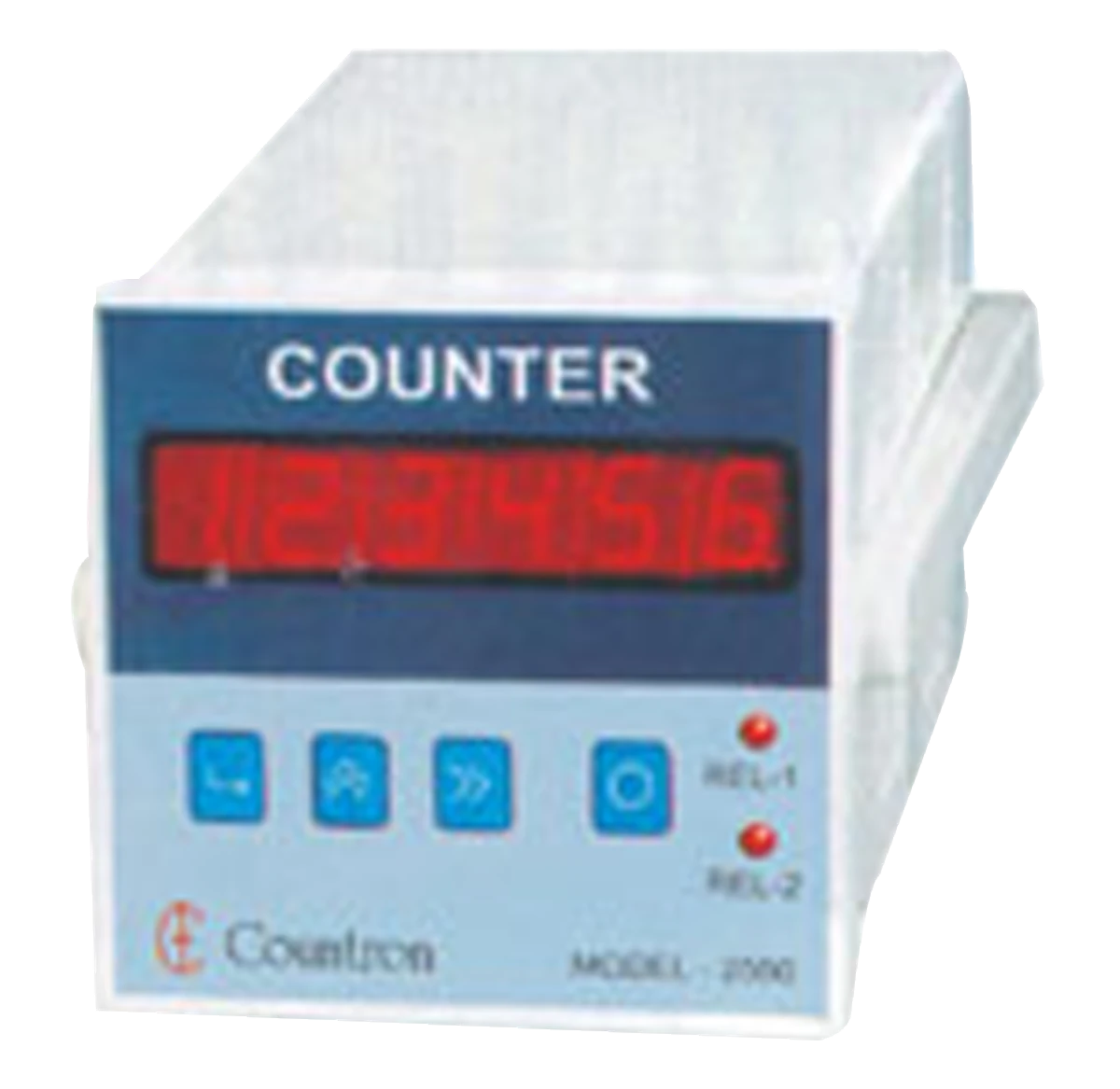
In short: A measuring wheel or encoder sends pulses as material moves; a counter multiplies them by a scale factor to show metres. For cut-to-length, use a counter with two set points: the
Length Measurement With Encoders And Counters: Cut-To-Length, Cable And Fabric Metering
In short: ORP electrodes are checked rather than calibrated like pH. Dip the electrode in a known ORP test solution — for example Zobell’s solution (about +230 mV) or quinhydrone in pH 4
How To Check And Calibrate An ORP Electrode: Test Solutions, Expected mV Values And When To Replace
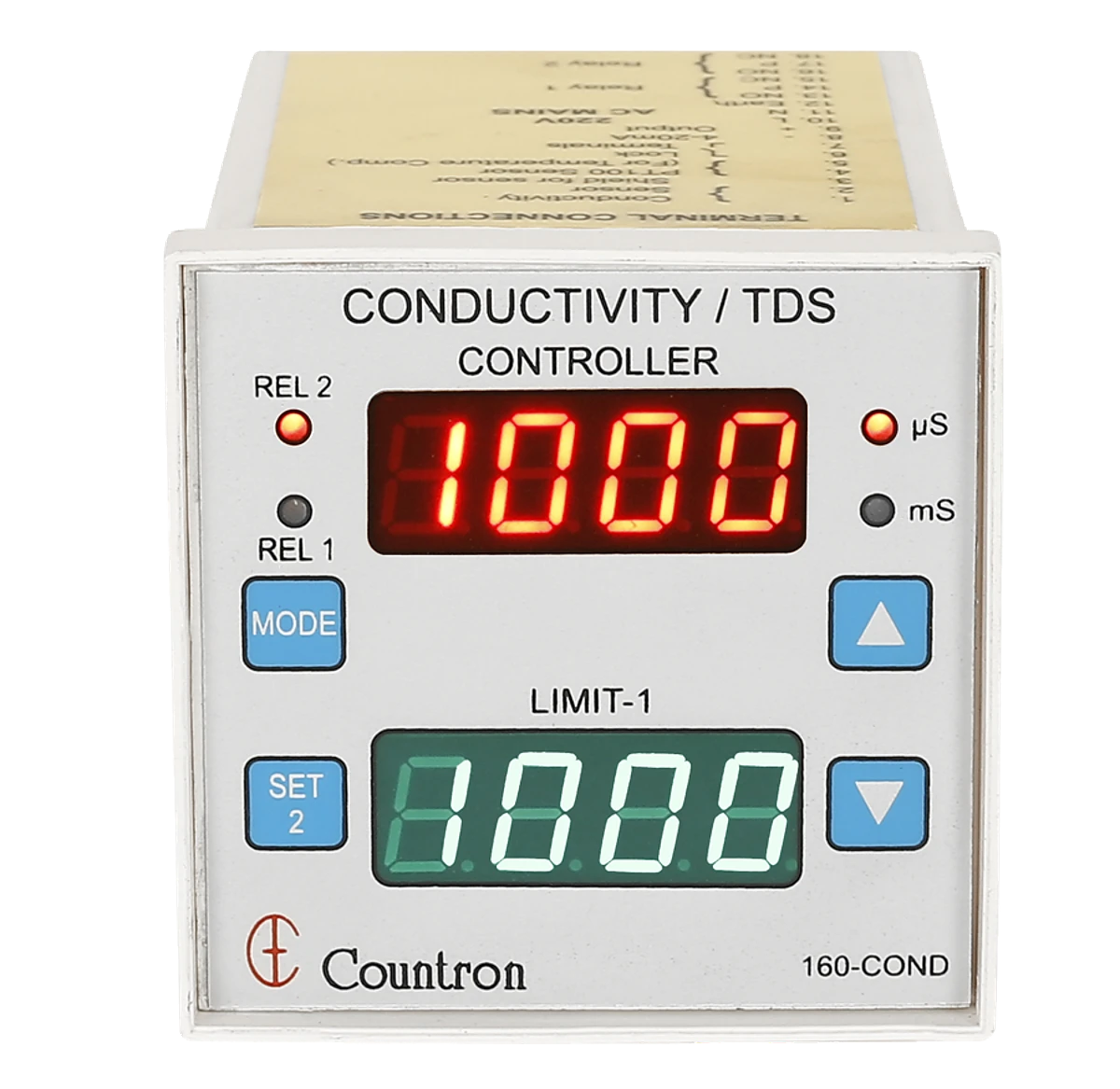
In short: The cell constant (K) matches the sensor to the conductivity range. Use roughly K = 0.01–0.1 for pure and RO water (below about 20 µS/cm), K = 1 for most process
Conductivity Cell Constant Explained: K = 0.1, 1 Or 10 — Choosing The Right Cell For Your Range
In short: Keep the electrode wet — store it in 3M KCl storage solution, never distilled water. Clean according to the contamination (detergent for oil, dilute acid for scale, enzyme/pepsin solution for protein),
pH Electrode Cleaning, Storage And Replacement: How To Make Your pH Sensor Last Longer
In short: If incoming pH swings widely (for example from 2 to 12), use two stages: a coarse tank brings pH near neutral and a fine tank trims it. Give each stage enough
Designing A pH Neutralisation System: Single vs Two-Stage Tanks, Mixing And Retention Time