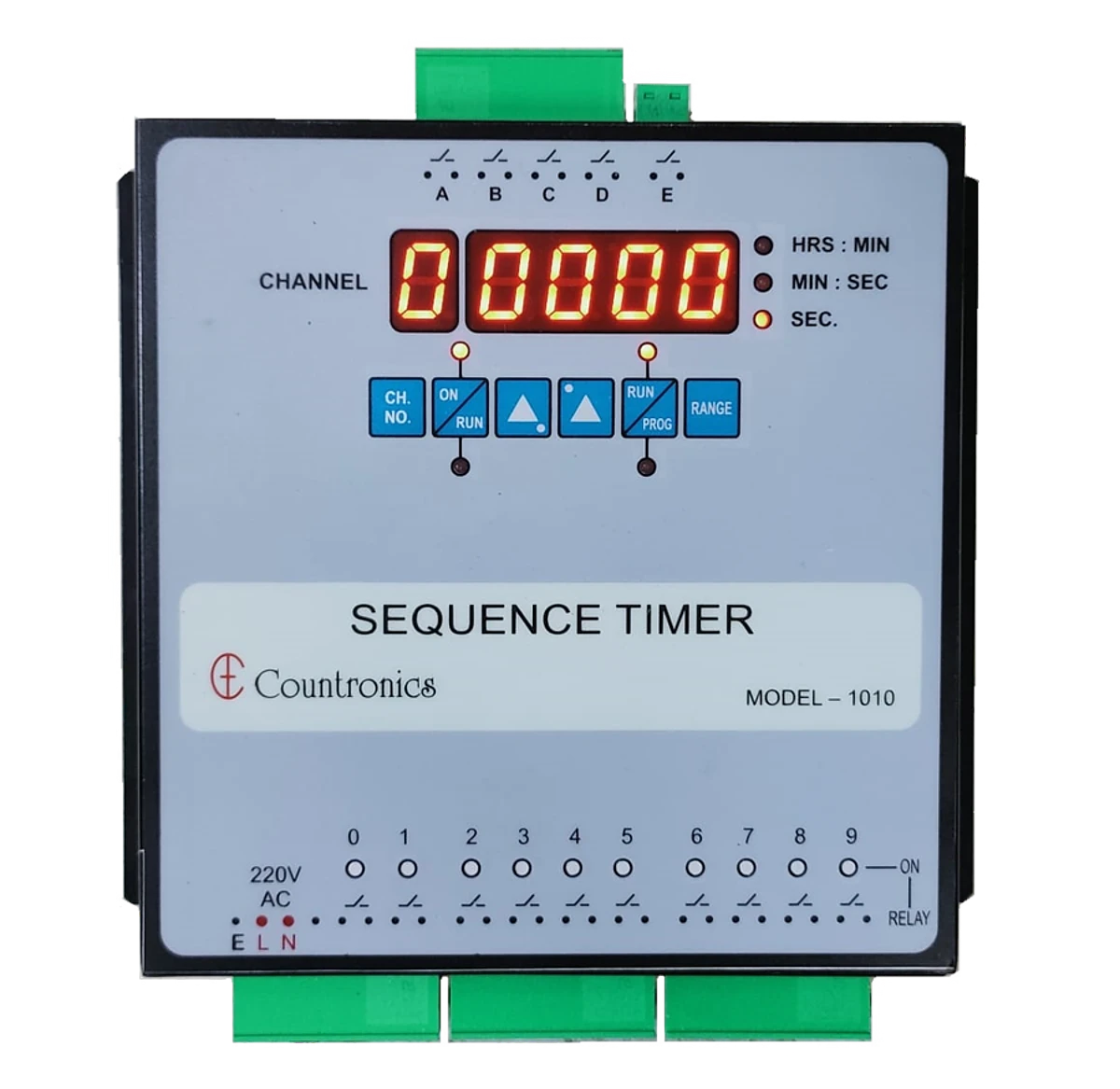
In short: After a power cut, a timer either resets (starts again from zero), or resumes from where it stopped. Resume is essential for long processes such as curing and soaking; reset is
What Happens To A Timer When Power Fails? Reset, Resume And Battery Backup Explained
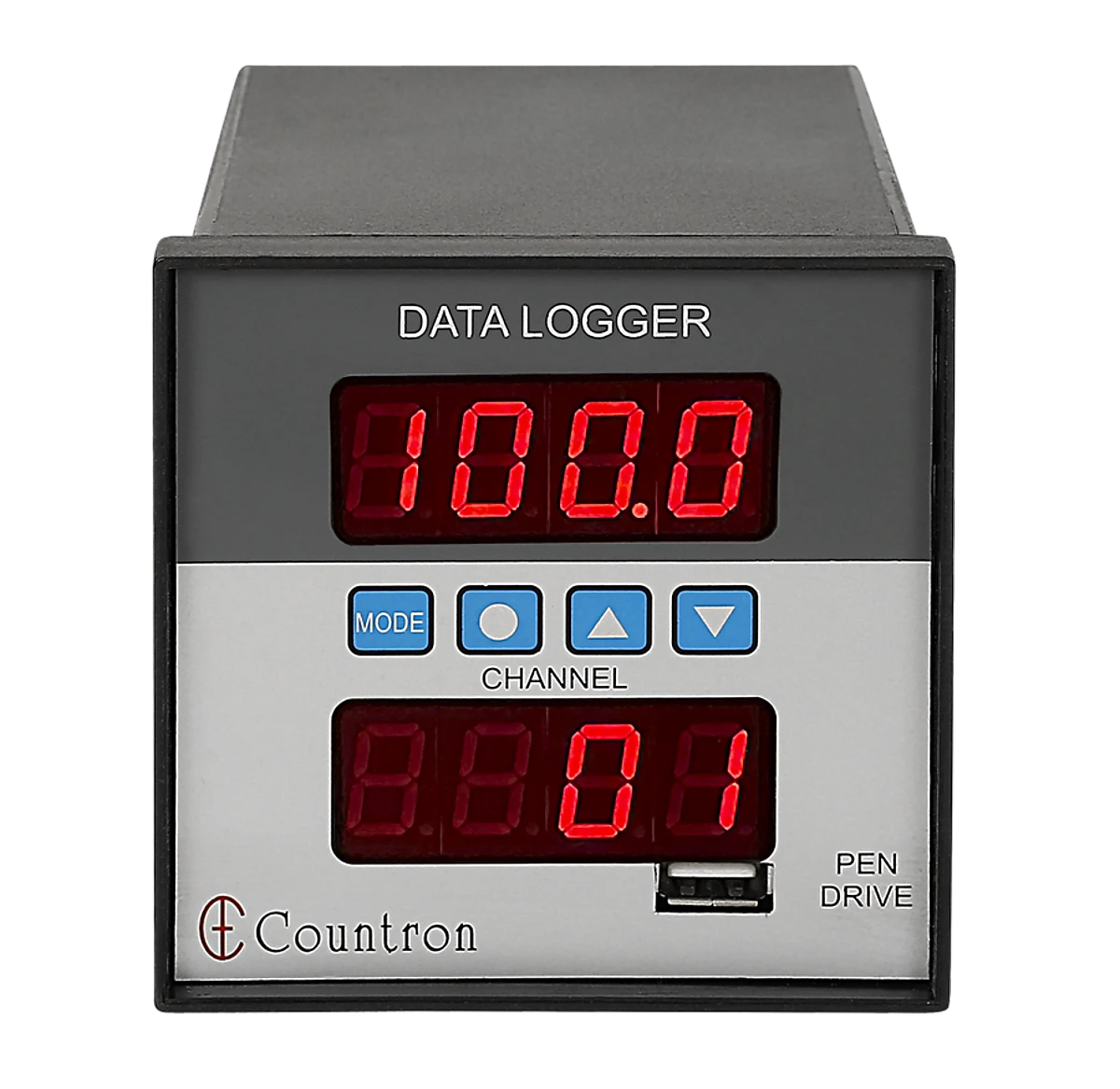
In short: Total measurement error = instrument error + sensor error + installation error. A logger rated ±1 °C with a standard thermocouple can easily be off by several degrees in total. Resolution
Data Logger Accuracy And Calibration: What ±1 °C Really Means And How To Verify Each Channel
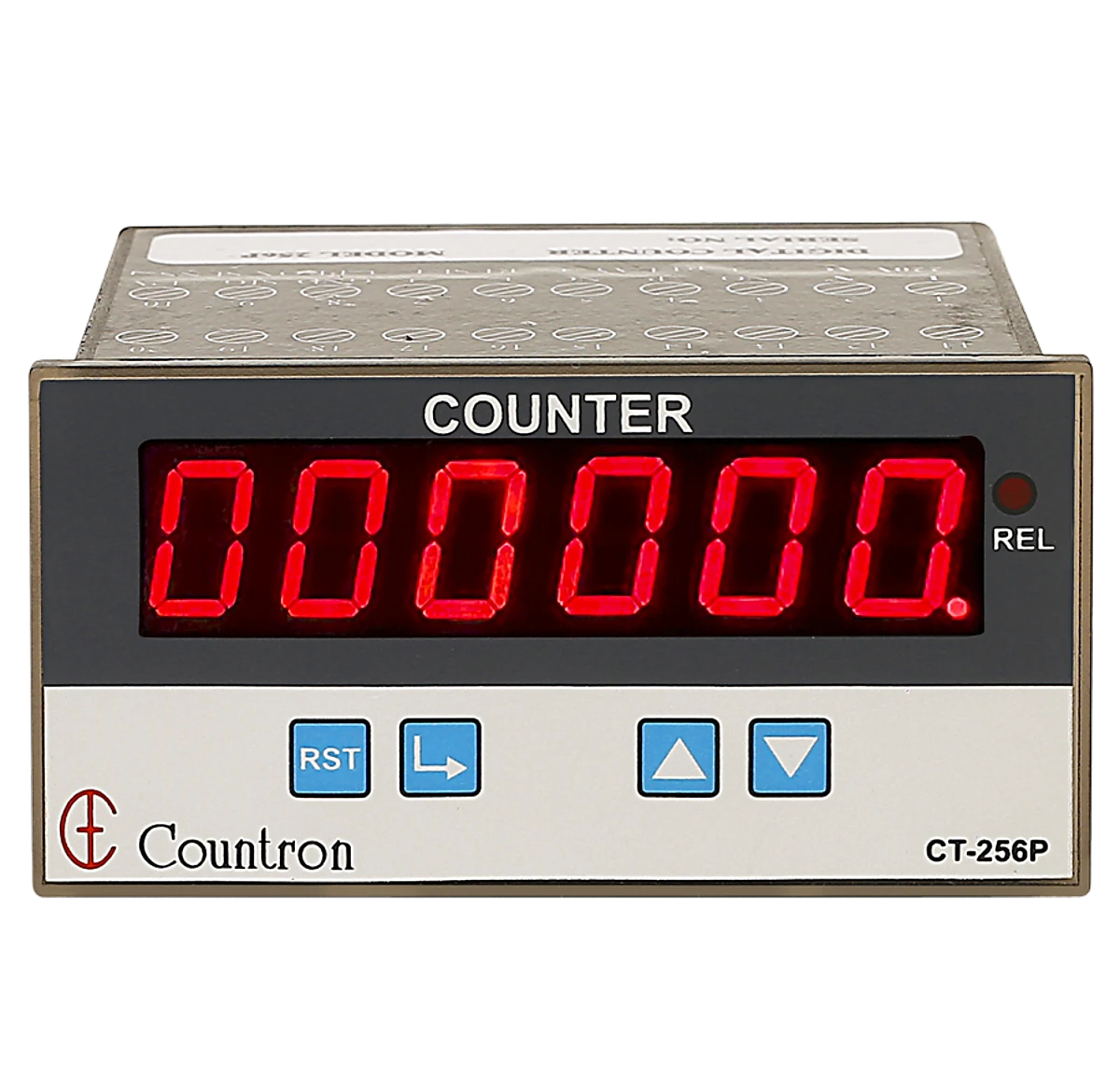
In short: An NPN sensor switches the signal to 0 V (sinking); a PNP sensor switches it to +V (sourcing). The counter’s input must match. Use a debounce/low-speed setting for mechanical contacts, and
Counter And Tachometer Input Wiring: NPN vs PNP Sensors, Contact Inputs And Noise Problems
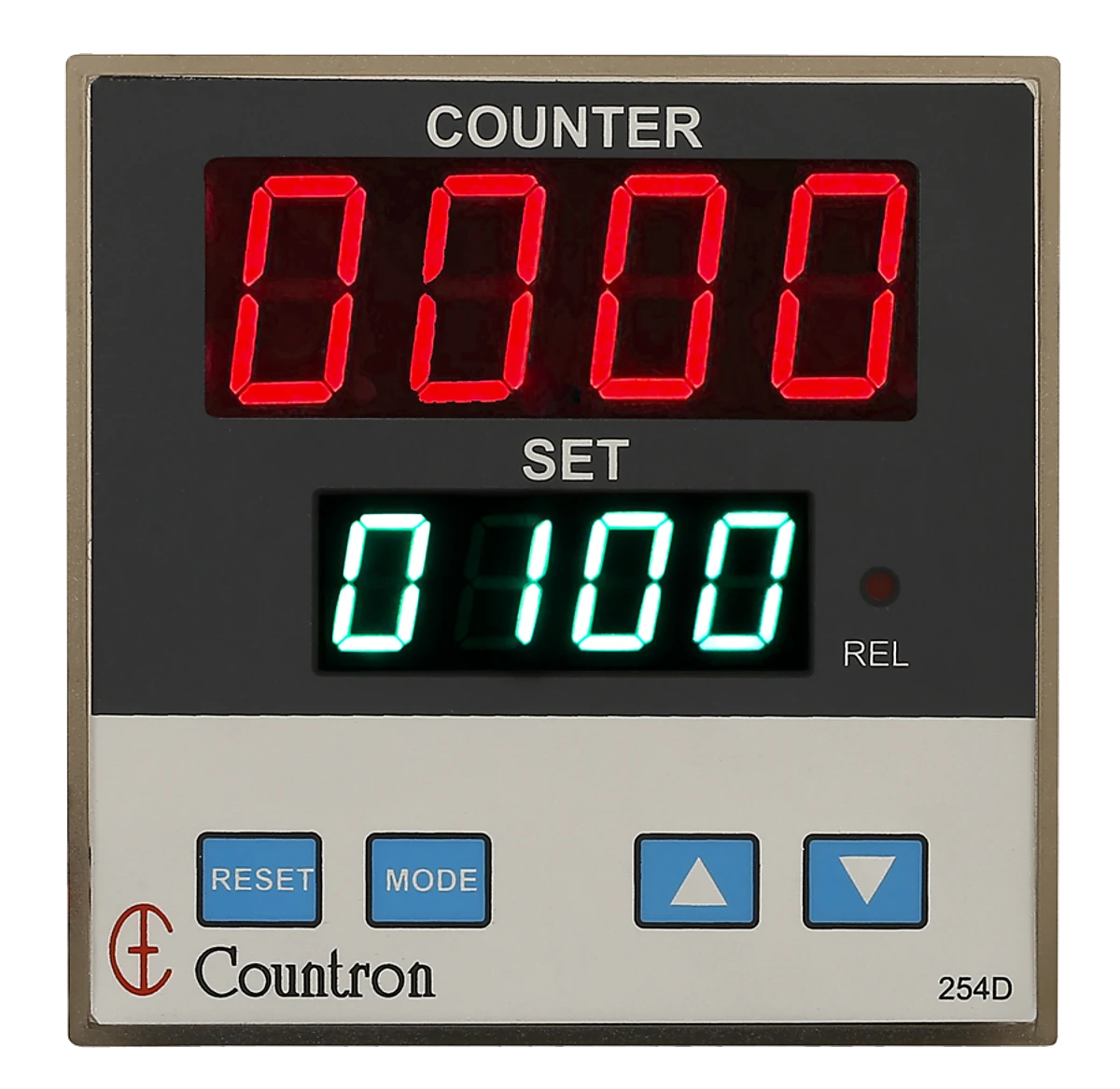
In short: A batch counter counts pieces into a pack and operates a relay at the preset quantity — to divert, stop a feeder or signal the operator — then auto-resets for the
Batch Counting And Packing With Preset Counters: Bottles, Cartons, Fasteners And Pieces
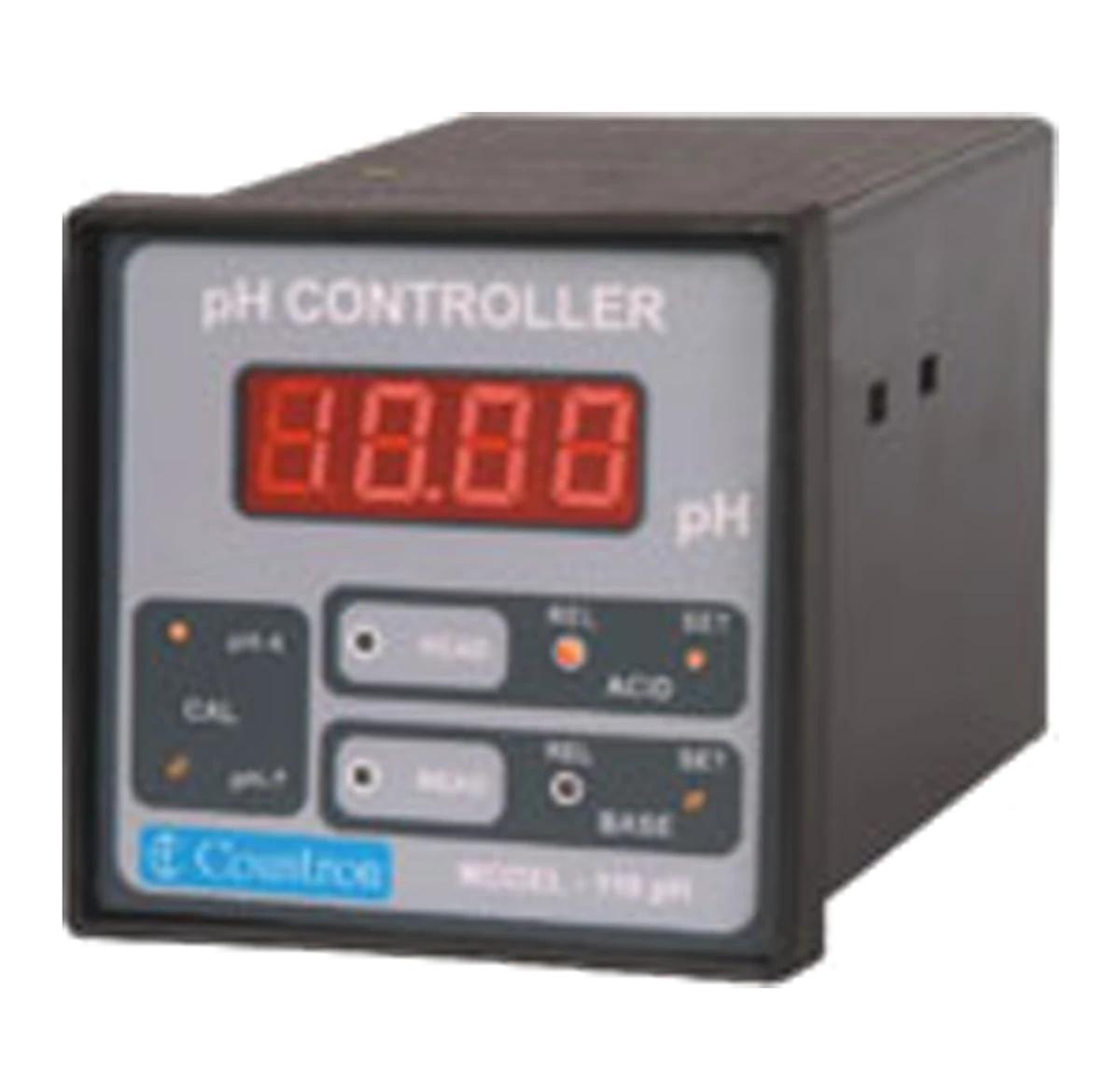
In short: Boiler feed water is usually kept slightly alkaline to protect steel from corrosion — often around pH 8.5–9.5, depending on boiler pressure and metals. Cooling towers are commonly run around pH
pH In Boiler Feed Water And Cooling Towers: Typical Ranges, Dosing And Corrosion Control
In short: ATC corrects the electrode’s response — its mV-per-pH slope changes with temperature (about 59 mV/pH at 25 °C). It does not correct the fact that the sample’s actual pH changes with
pH Temperature Compensation: Why Readings Change With Temperature And What ATC Actually Corrects
In short: Calibrate with pH 7 first (sets the offset), then a second buffer close to your samples — pH 4 for acidic, pH 10 for alkaline (sets the slope). Use a three-point
pH Buffer Solutions Explained: pH 4, 7 And 10, Shelf Life And Two-Point vs Three-Point Calibration
In short: Most unstable pH and ORP readings come from installation, not the instrument. Mount the electrode tip-down at an angle (usually at least 15° above horizontal), keep it always wet, avoid bubbles
ORP And pH Sensor Installation: Flow Cells, Immersion Mounting, Cable Runs And Earthing
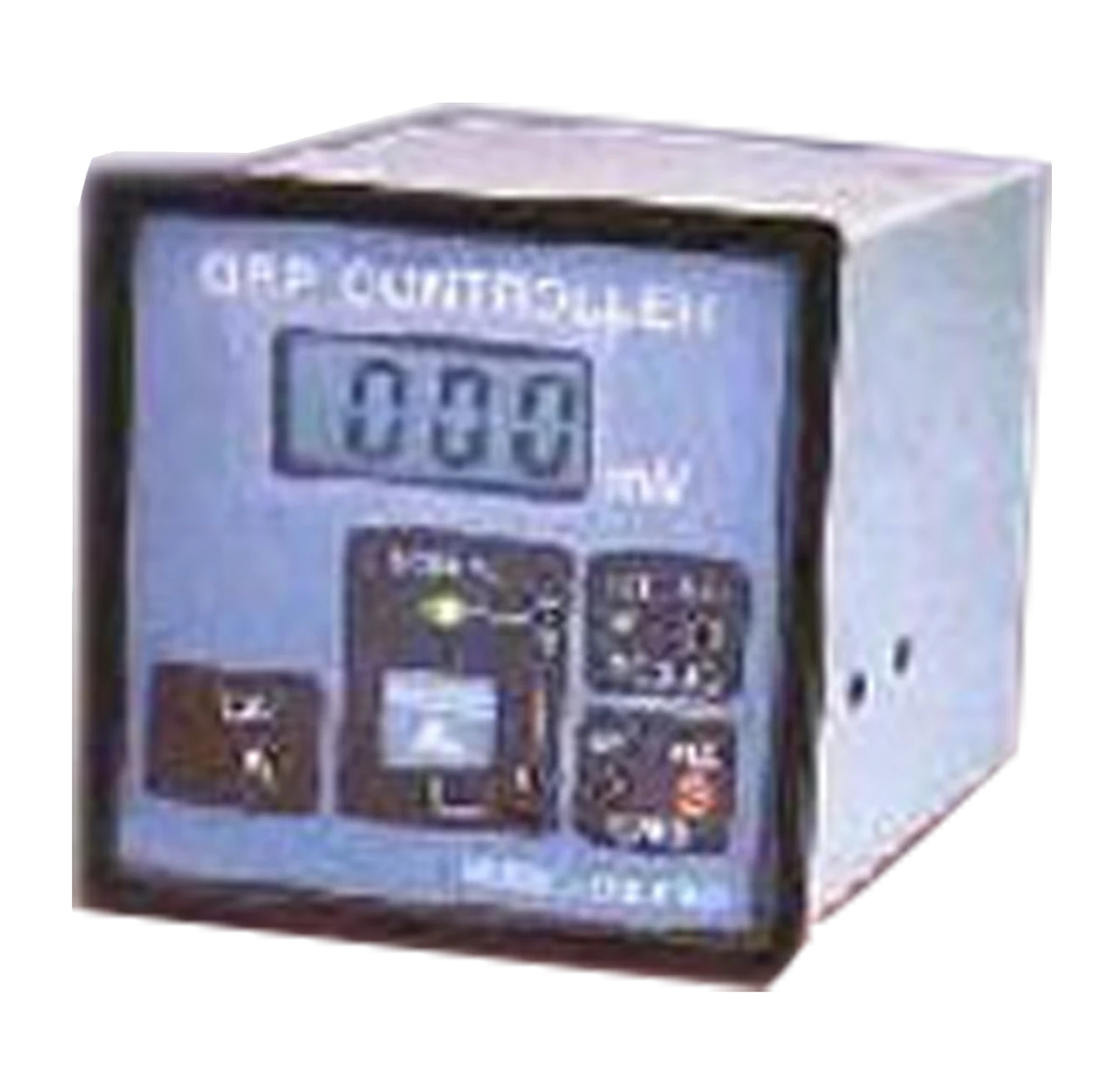
In short: In cooling towers, ORP shows whether enough oxidising biocide (chlorine, bromine) is active to control bacteria and biofilm. Dose biocide when ORP falls below a set point found by testing, keep
ORP In Cooling Tower Water Treatment: Oxidising Biocide Control, Corrosion And Biofilm
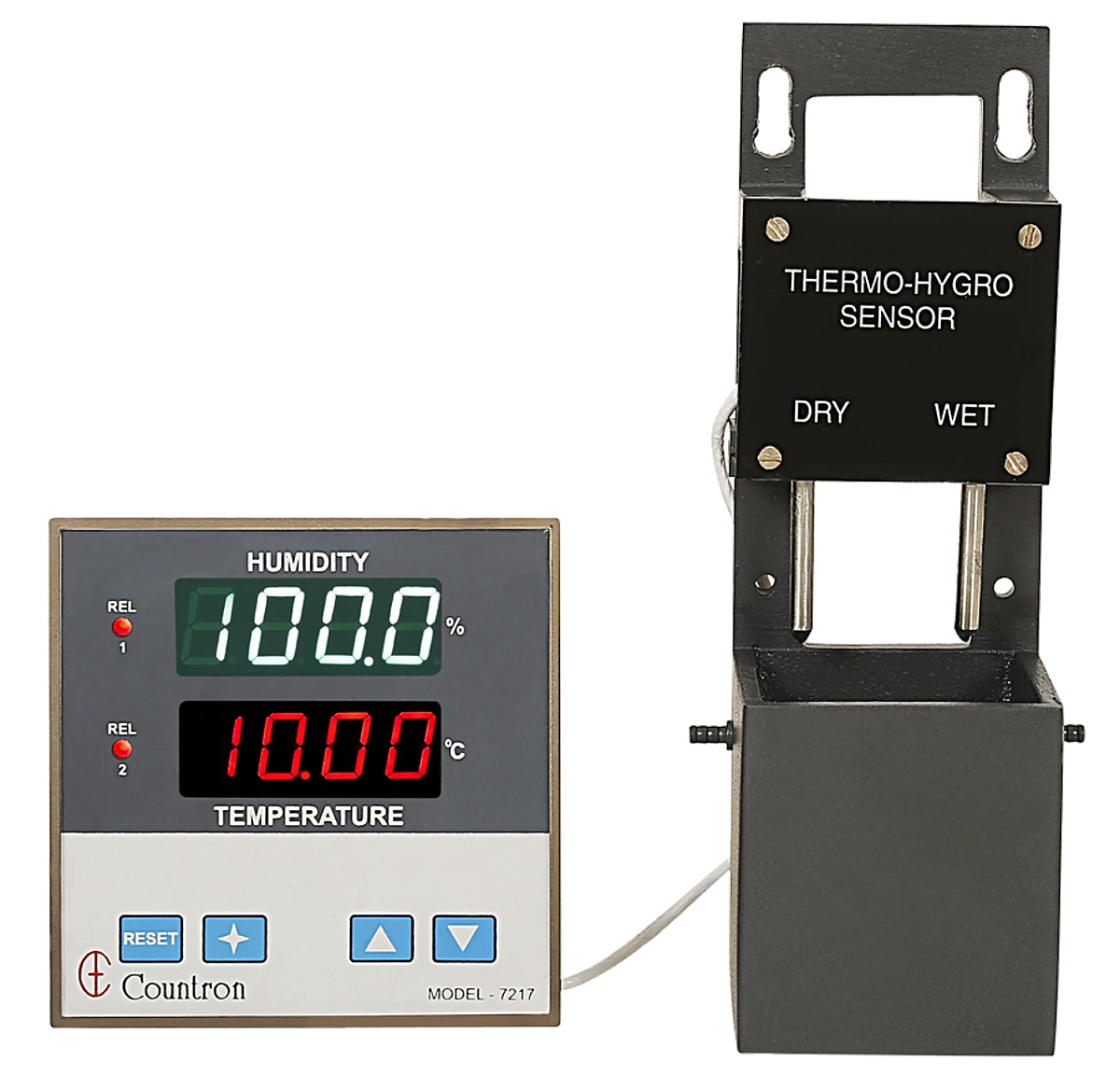
In short: Industry guidance (ASHRAE) recommends server inlet air of about 18–27 °C with humidity limited by dew point and a maximum of about 60 %RH. Too humid risks condensation and corrosion; very
Server Room And Data Centre Humidity: Recommended Limits, Static Risk And Monitoring