A hotel pool with clear, odourless water. Guests swimming comfortably. The pool operator adds the same chlorine dose every morning that he has been adding for years. Yet a guest develops a skin
The power cut hits at 2 AM. The UPS takes over. Ninety seconds later, the servers go down anyway. The UPS battery bank was installed four years ago and never tested. The maintenance
Every heat treatment plant in India has a thermocouple in their furnace. Most have one. Some have two — one near the top and one near the bottom. What they measure is the
During a drug regulatory inspection, the inspector asks for environmental monitoring records for your manufacturing area for the past three months. If your answer is a handwritten register with one humidity reading per
You have the same bath chemistry. The same temperature. The same rectifier setting. Yet every few batches, the plating comes out too thin — or too thick — and you cannot explain why.
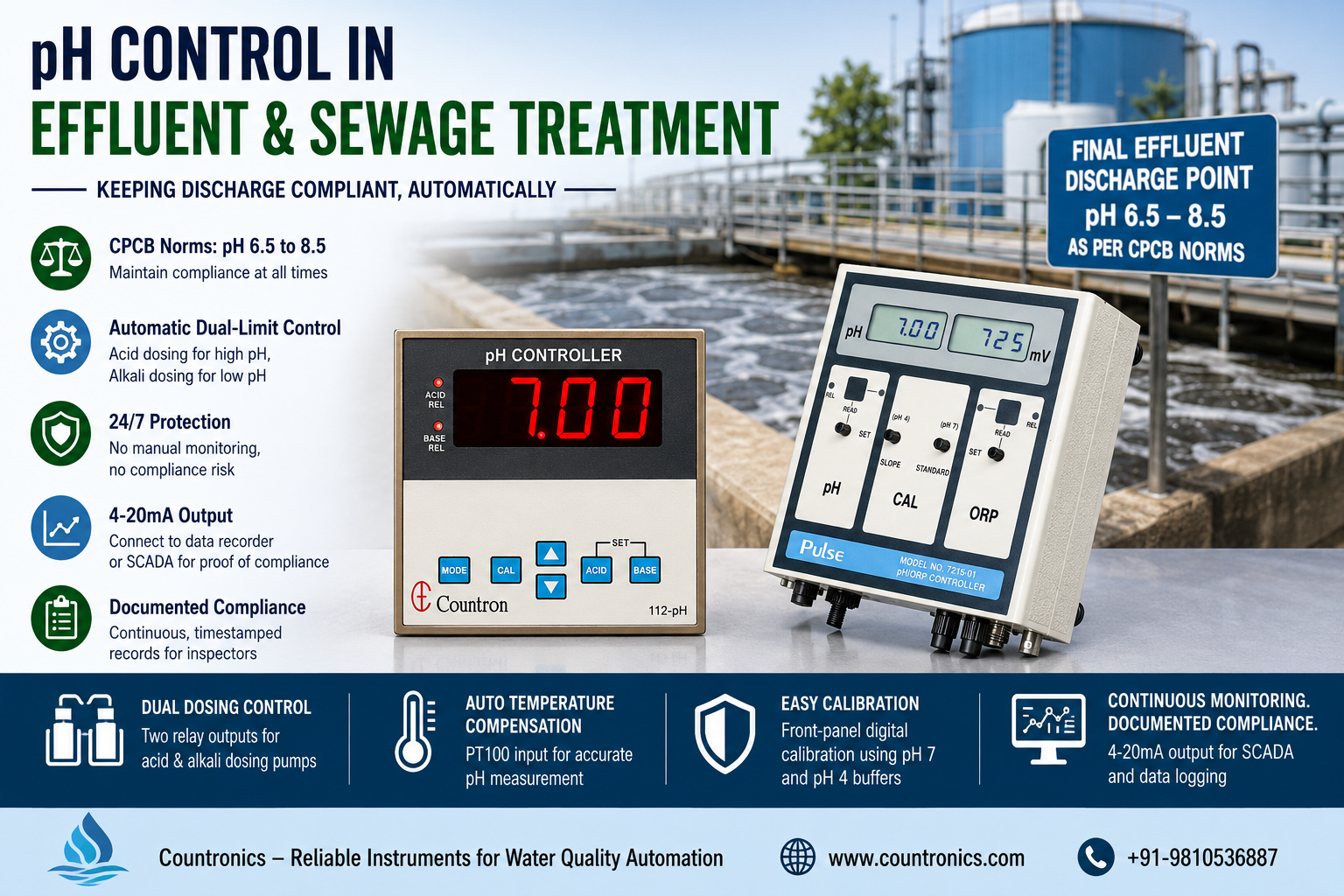
Every day, thousands of industrial units across India discharge treated effluent into rivers, drains, and municipal sewers. The Central Pollution Control Board (CPCB) mandates that this effluent must fall within a pH range
In any process-driven industry, temperature and humidity are not just numbers on a display — they are records of quality, compliance, and safety. A pharmaceutical cold room that drifted 2°C overnight, a furnace
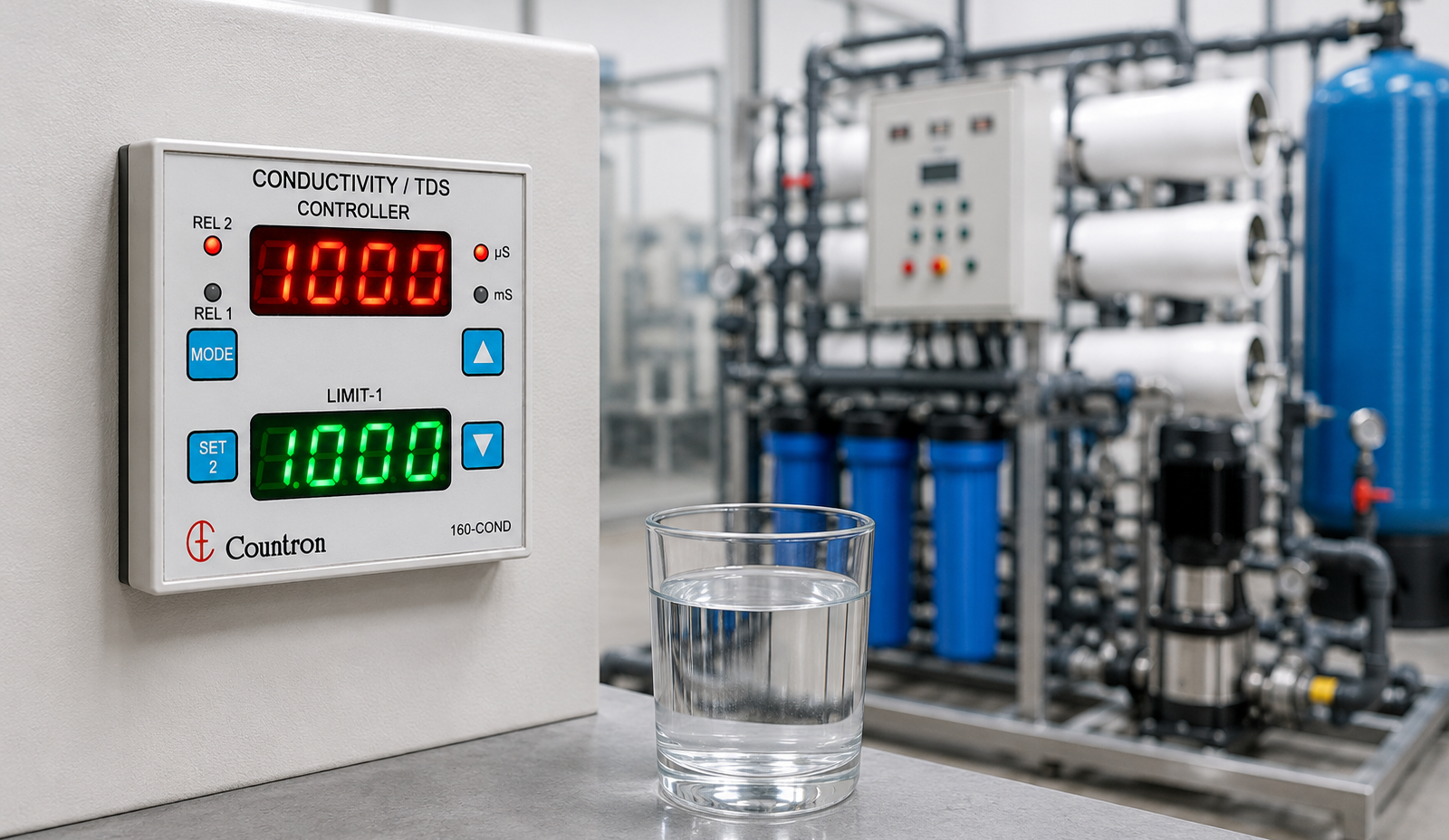
Water may look clean, yet carry dissolved salts, minerals, and industrial chemicals invisible to the naked eye. These dissolved solids silently degrade water quality, damage industrial equipment, and endanger human health. Among all
Water, the very foundation of life, industry, and agriculture, is under constant threat from pollutants discharged into it every single day. From factory effluents to municipal sewage, the invisible chemical imbalance in our
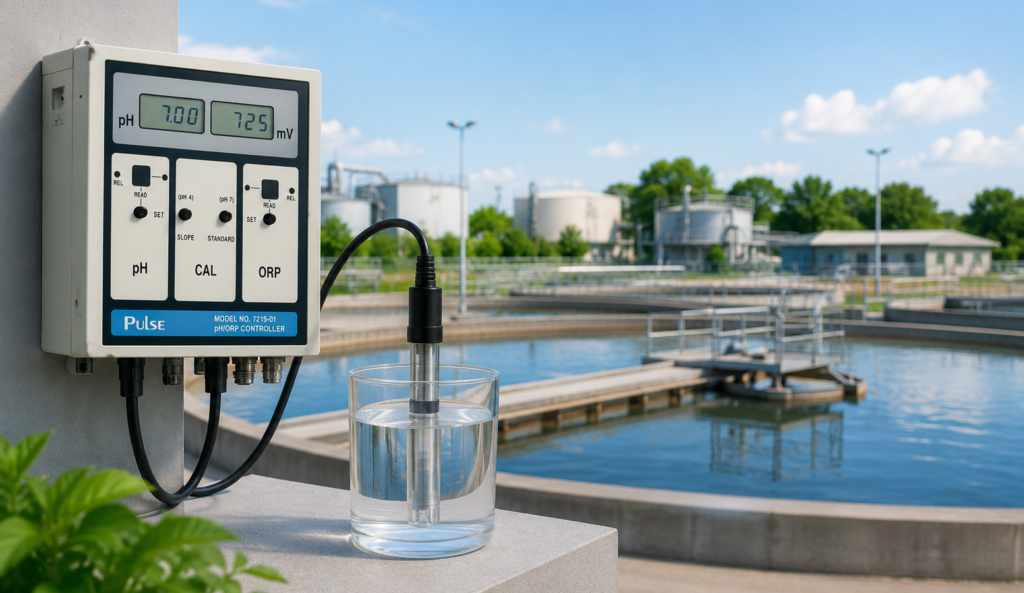
pH controller have become popular amongst people enlisting its features and uses. Almost every factory and industry man would be knowing about it or would have even once heard its name. Today, I’ll