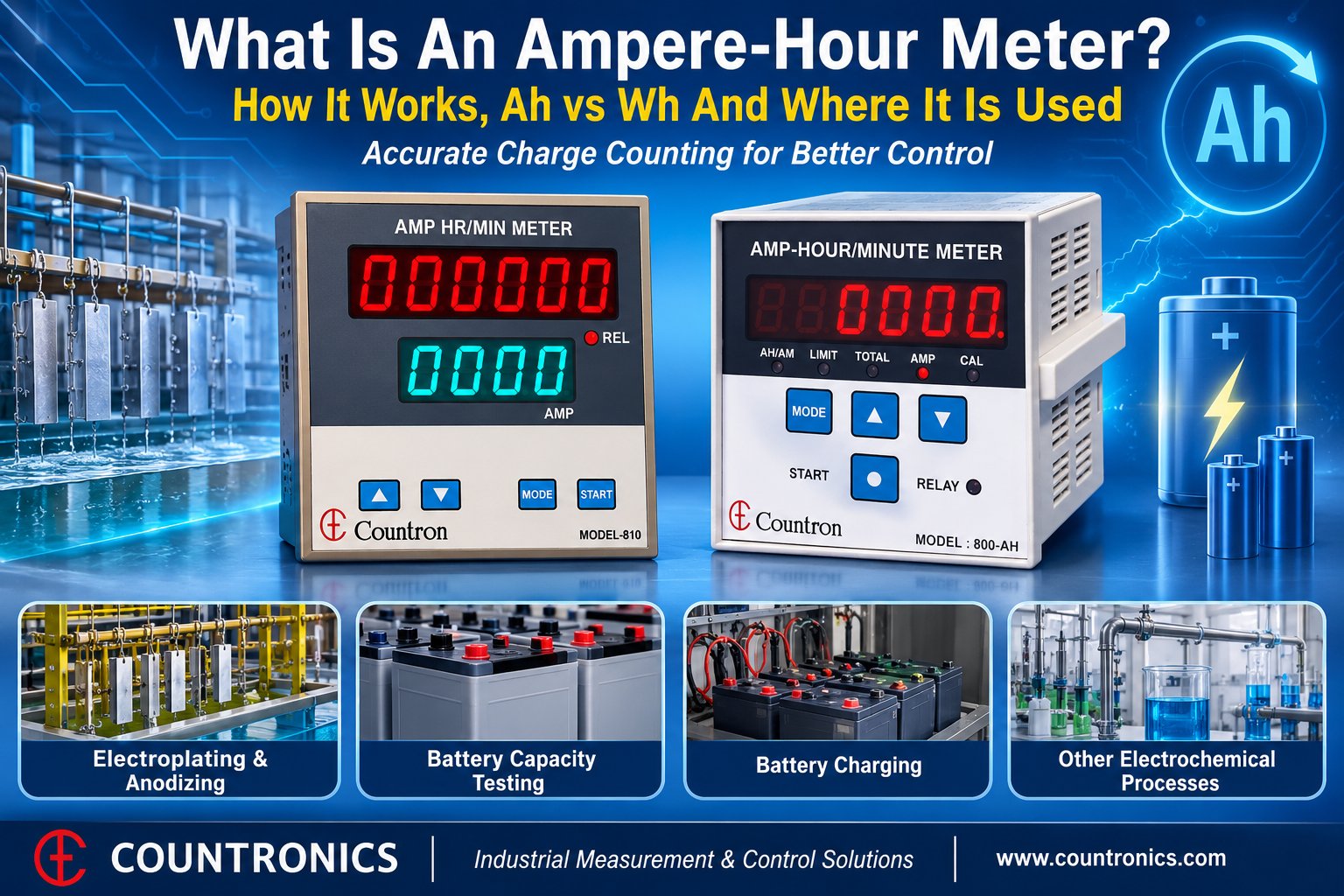


Countronics
Categories: Ampere Hour Meter
An ampere-hour is the charge delivered by a current of one ampere flowing for one hour. If 10 A flows for 3 hours, 30 Ah has passed. If 30 A flows for 1 hour, that is also 30 Ah.
The simple multiplication only works when the current is steady. In real processes it is not. A plating rectifier set to 200 A may deliver 185 A once the bath warms up, or 215 A when a lighter rack goes in. An Ah meter does not assume a constant value; it measures the current many times a second and keeps a running total, the same way a car’s odometer adds up distance whatever the speed.
There are three parts to every Ah meter:
| Quantity | What it tells you | Use it when |
|---|---|---|
| Time (h, min) | How long power was on | Current is truly constant, which is rare |
| Ampere-hours (Ah) | Total charge passed | Plating, anodizing, battery capacity, charge counting |
| Watt-hours (Wh / kWh) | Total energy used (Ah × volts) | Electricity cost, solar generation, energy audits |
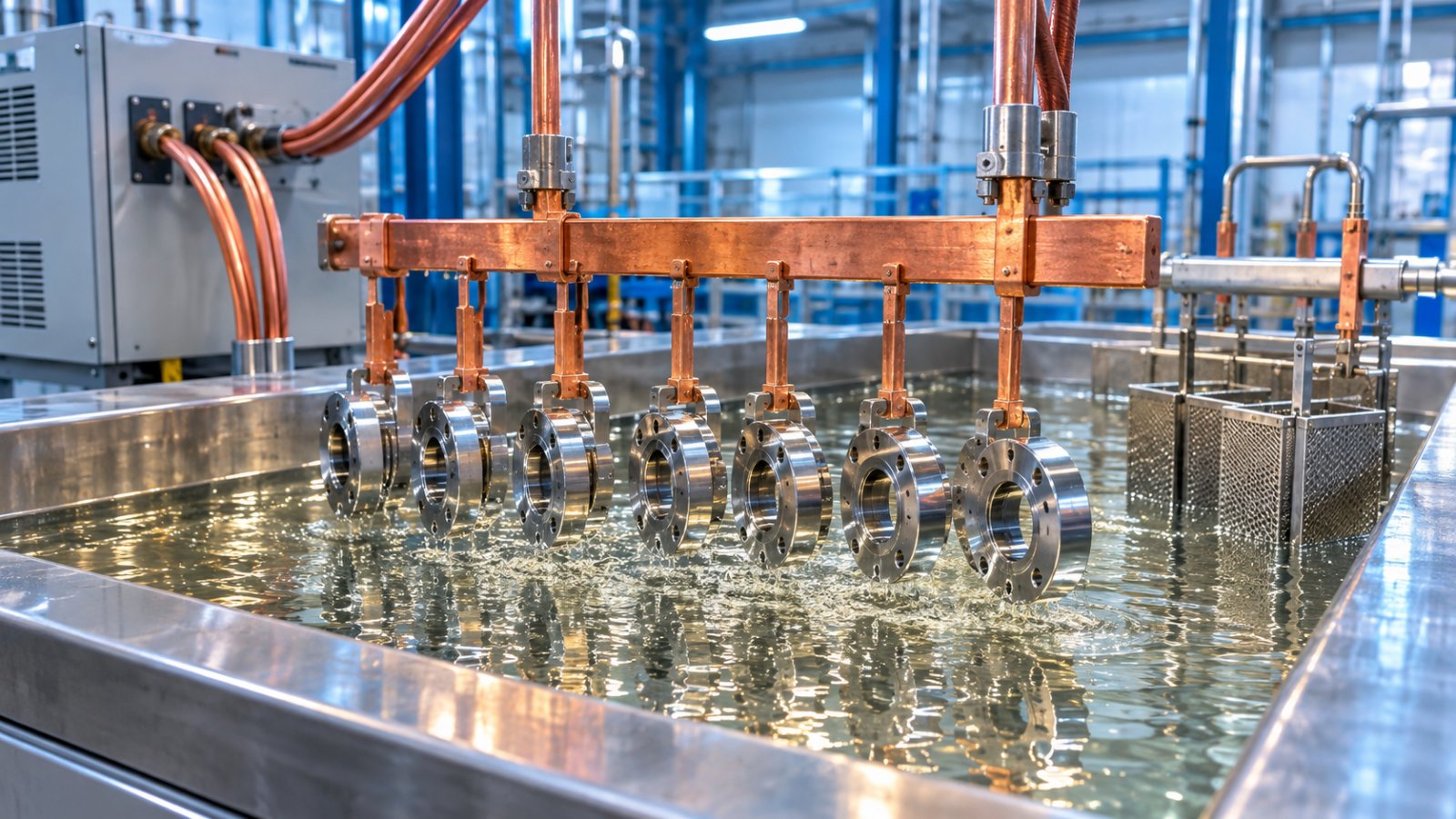
By Faraday’s law, the amount of metal deposited is directly proportional to the charge passed. At 100% efficiency, 1 Ah deposits about 1.19 g of copper or 1.10 g of nickel. Control the Ah and you control the coating weight. For the full calculation with current density and thickness, see our guide on measuring ampere-hours for electroplating and battery testing, and for precious metals, why gold plating thickness varies batch to batch.
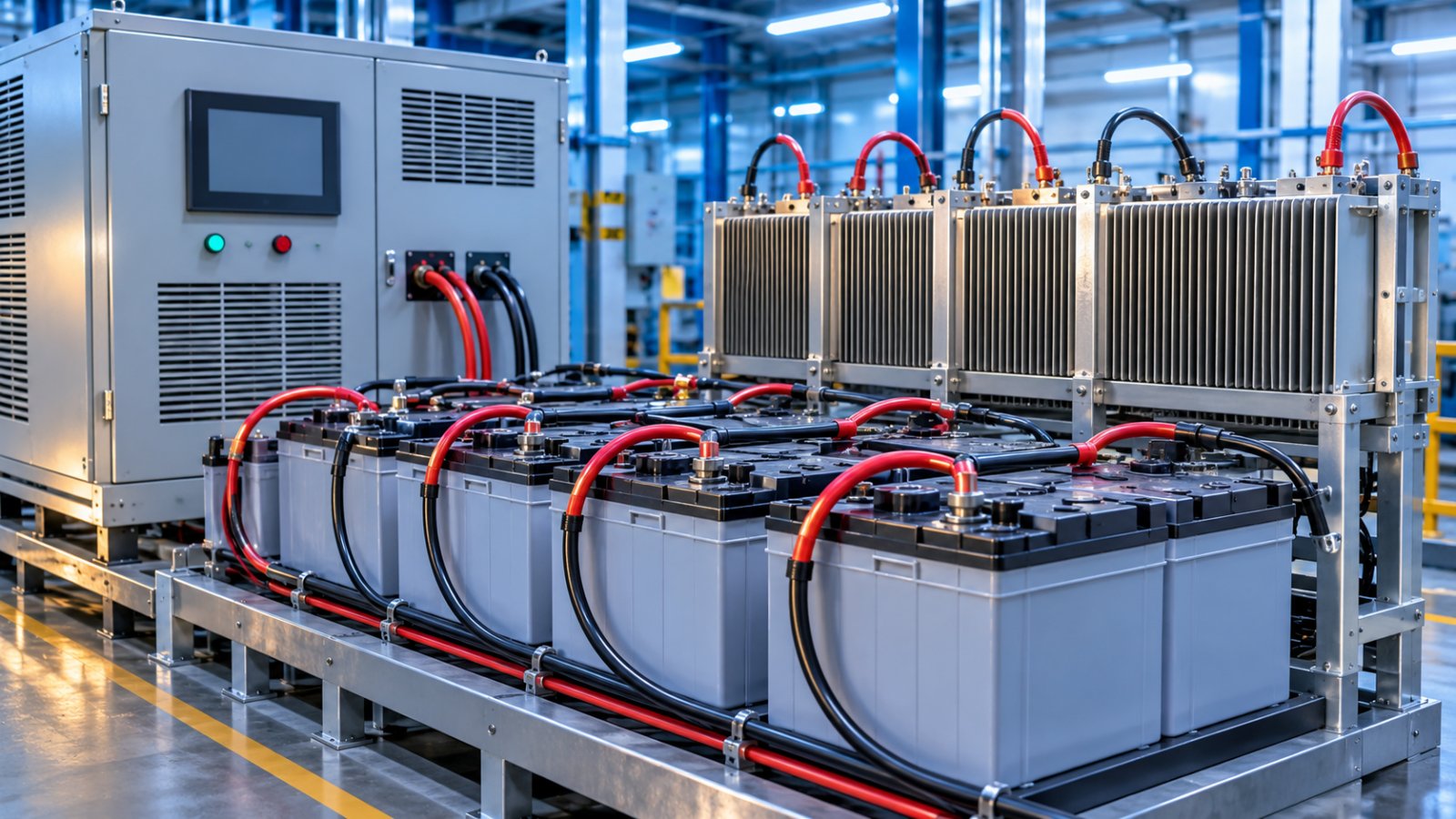
A battery’s capacity is the Ah it can deliver before reaching its cut-off voltage. A 100 Ah battery tested at the 10-hour rate should supply 10 A for 10 hours. Counting the Ah delivered during a controlled discharge shows whether an old battery still holds its rated capacity. More on this in how to test UPS battery capacity.
Lead-acid batteries need more charge put in than was taken out, typically 10–20% more, because part of the charging current goes into gassing and heat. Charge/discharge Ah meters with separate counters show both figures, so you can see the actual charge factor instead of guessing.
Electroforming, electrolytic cleaning, electrowinning and hydrogen generation by electrolysis all follow the same rule: the output is proportional to charge, so Ah is the quantity to track.
It measures the total electric charge that has flowed through a circuit, in ampere-hours (Ah). It keeps adding current × time continuously, so if the current changes during the process, the total is still correct. Most models also show the live current.
Ah counts charge; Wh counts energy. Multiply Ah by the voltage to get Wh. A 12 V, 100 Ah battery stores about 1,200 Wh. In electroplating, Ah is what matters, because the metal deposited depends on charge, not on the voltage of the rectifier.
Only if the current stays exactly constant, which it rarely does. Bath temperature, anode condition, rectifier drift and the number of parts on the rack all change the current. A timer ends the cycle at a fixed time; an Ah meter ends it when the right amount of charge has passed, so thickness stays consistent.
It is a precision low-value resistor placed in the DC line. At its rated current it produces 75 mV across its terminals, for example 75 mV at 500 A. The meter reads this small voltage and scales it to current. The shunt rating must be programmed correctly in the meter.
Yes, they measure the same thing in different units. One ampere-hour equals 3,600 coulombs. Plating shops also use ampere-minutes: 1 Ah equals 60 A·min.
Countronics makes ampere-hour meters for plating and battery work, with programmable shunt input, live current display, preset relays and separate charge/discharge counters. Tell us your current range and process and we will suggest the right model.
By Countronics
By Countronics
By Countronics
© 2026 - countronics.com
WhatsApp us