What pH, ORP, conductivity, TDS and temperature each tell you about water, how they relate, the conductivity-to-TDS factor, and which parameters to measure for each application.
Ideal pH ranges for freshwater, marine and planted aquariums, how KH and CO2 control pH, why ammonia gets more toxic at high pH, and how to keep pH stable.
Typical pH ranges and control challenges in electroplating, dairy and food, boiler and cooling water, textile dyeing, leather, sugar and fermentation, with electrode tips for each.
How to pick the right pH electrode for your sample: single vs double junction, gel vs refillable, glass types for high pH and high temperature, tip shapes, and how to tell when an
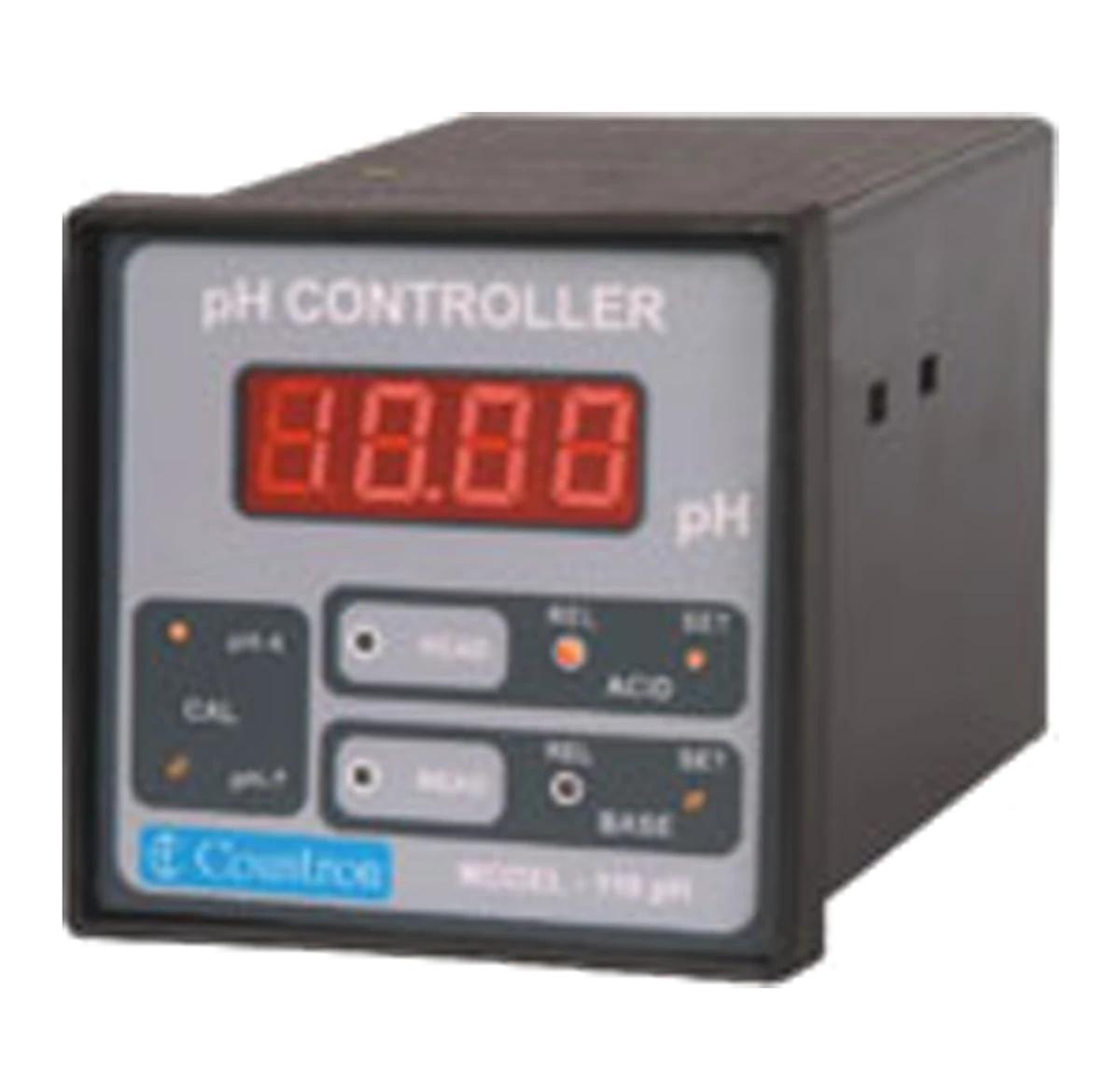
How a pH controller decides when and how much acid or alkali to dose: on/off vs proportional control, dead band, set points, dosing delay and the common tuning mistakes.
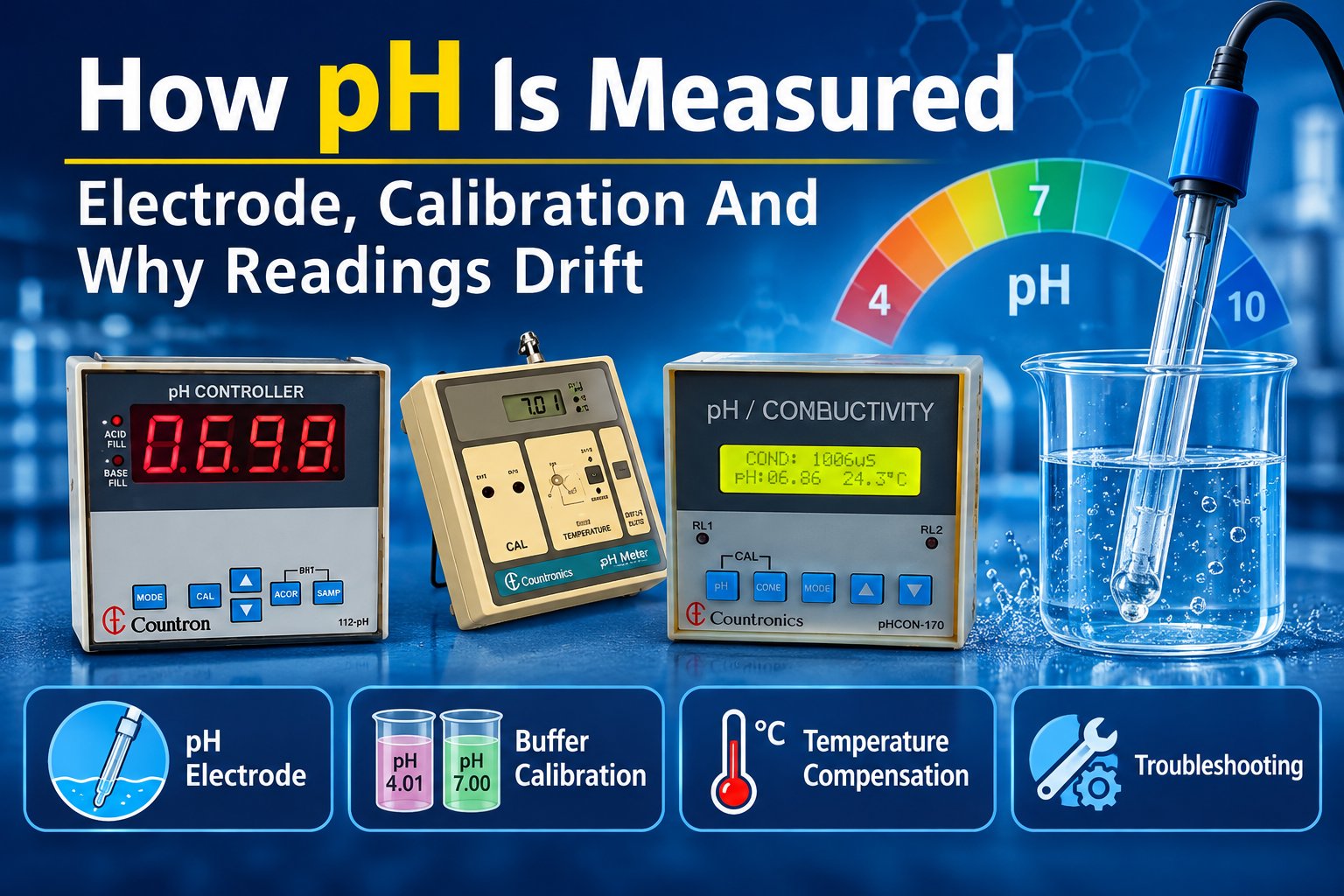
How a pH electrode works, how temperature affects readings, step-by-step two-point calibration, signs of a failing electrode and the installation mistakes behind most wrong pH readings.