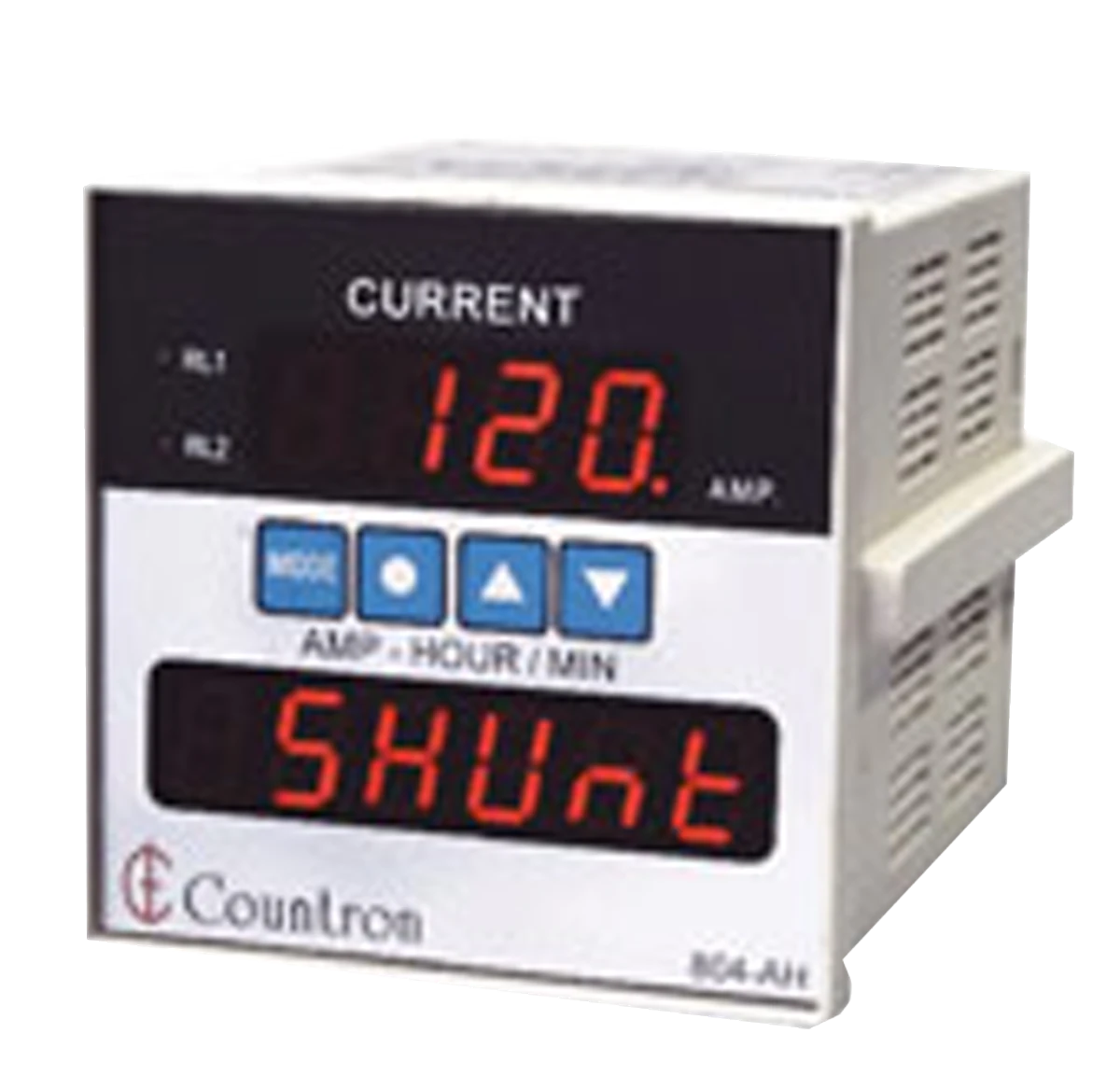
Troubleshooting wrong Ah meter readings: shunt rating mismatch, wrong sensing points, noise and zero offset, reset and unit errors, overheated shunts, and how to verify accuracy in 10 minutes.
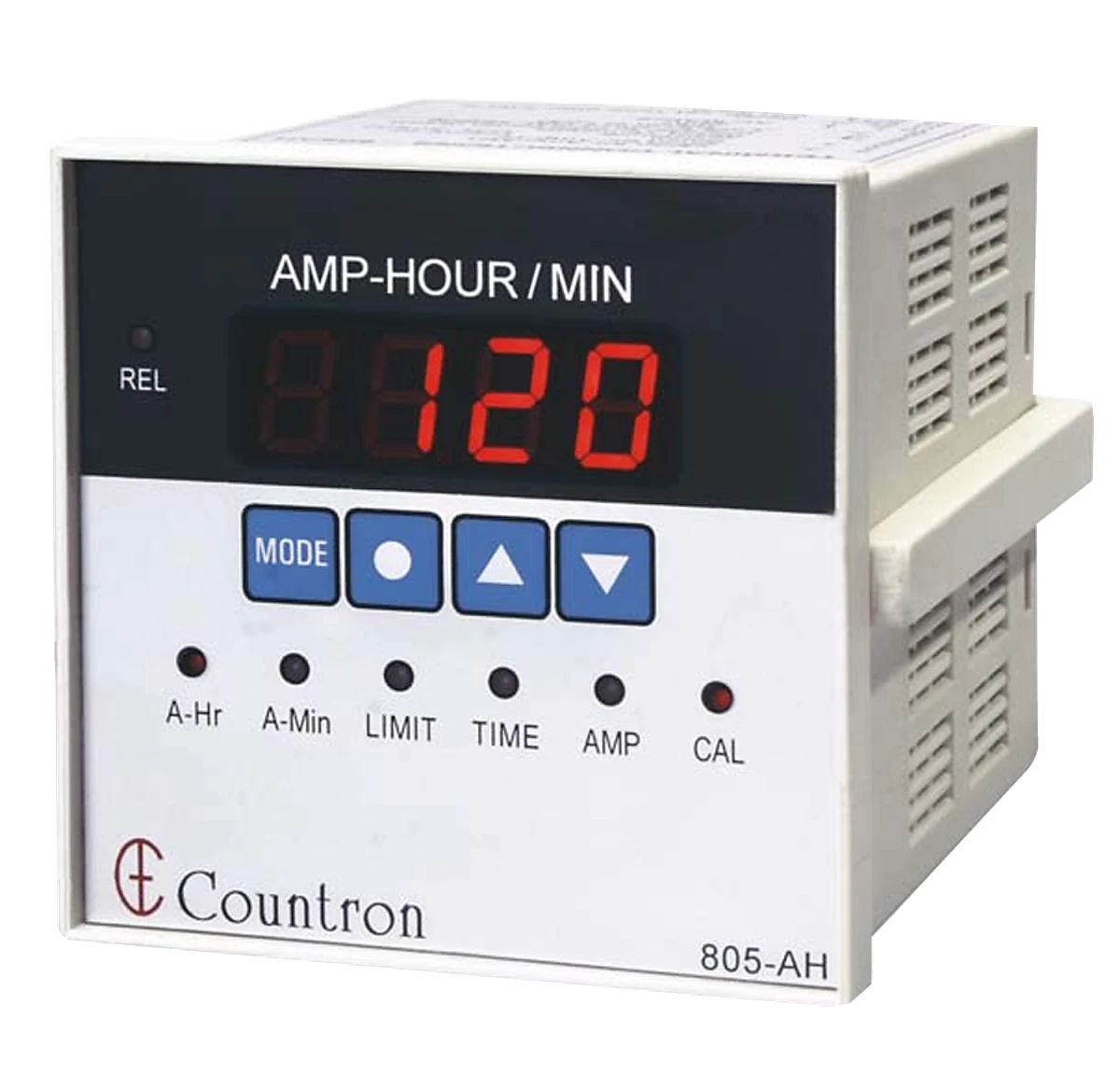
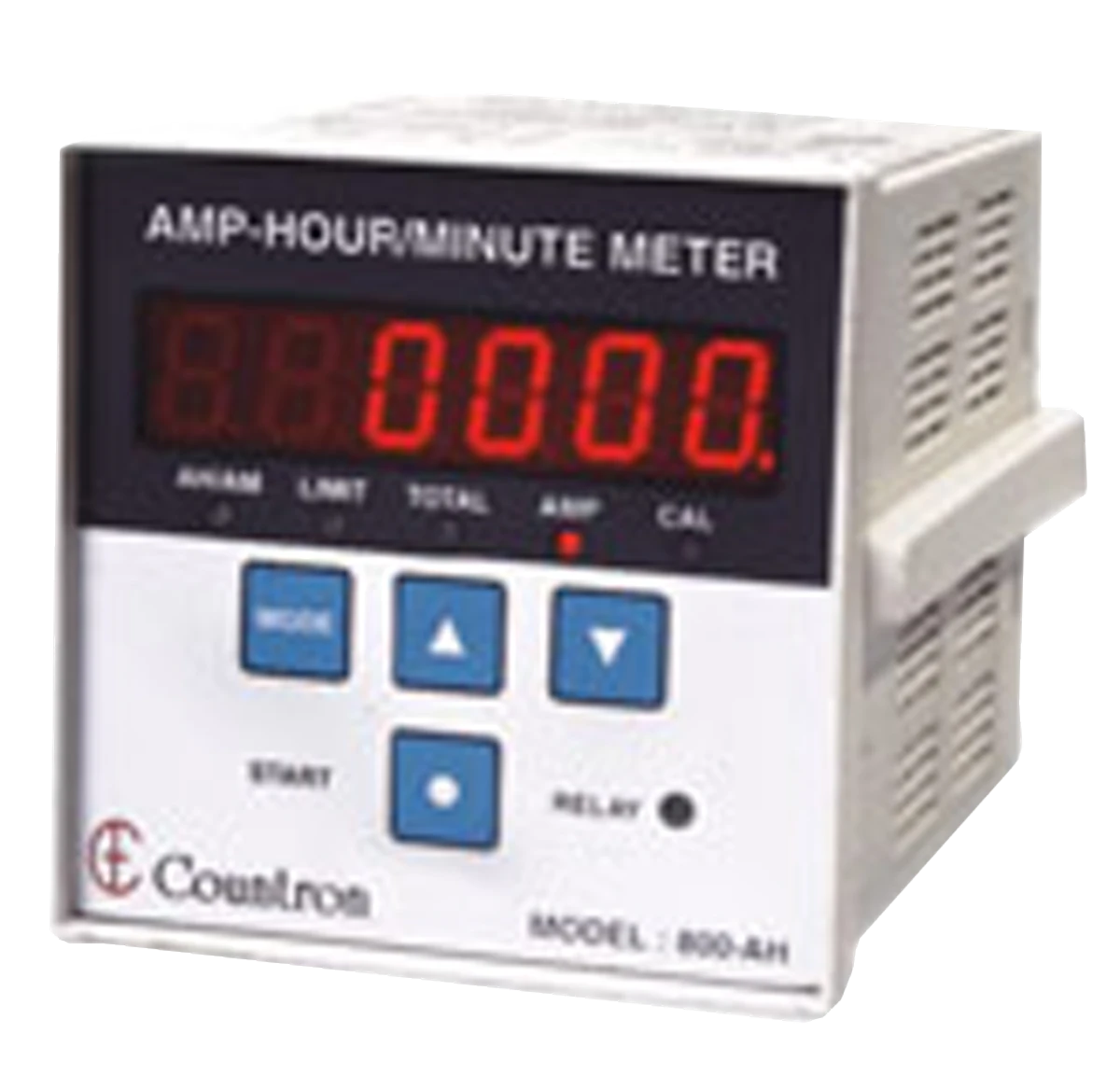
A practical guide to choosing an Ah meter: matching features to plating or battery work, shunt sizing and placement, Ah vs A·min, preset relays, reset options and power-fail memory.
How to calculate the ampere-hours needed for a plating thickness using Faraday’s law, grams per Ah for common metals, a worked nickel example, and how to test battery capacity with Ah counting.
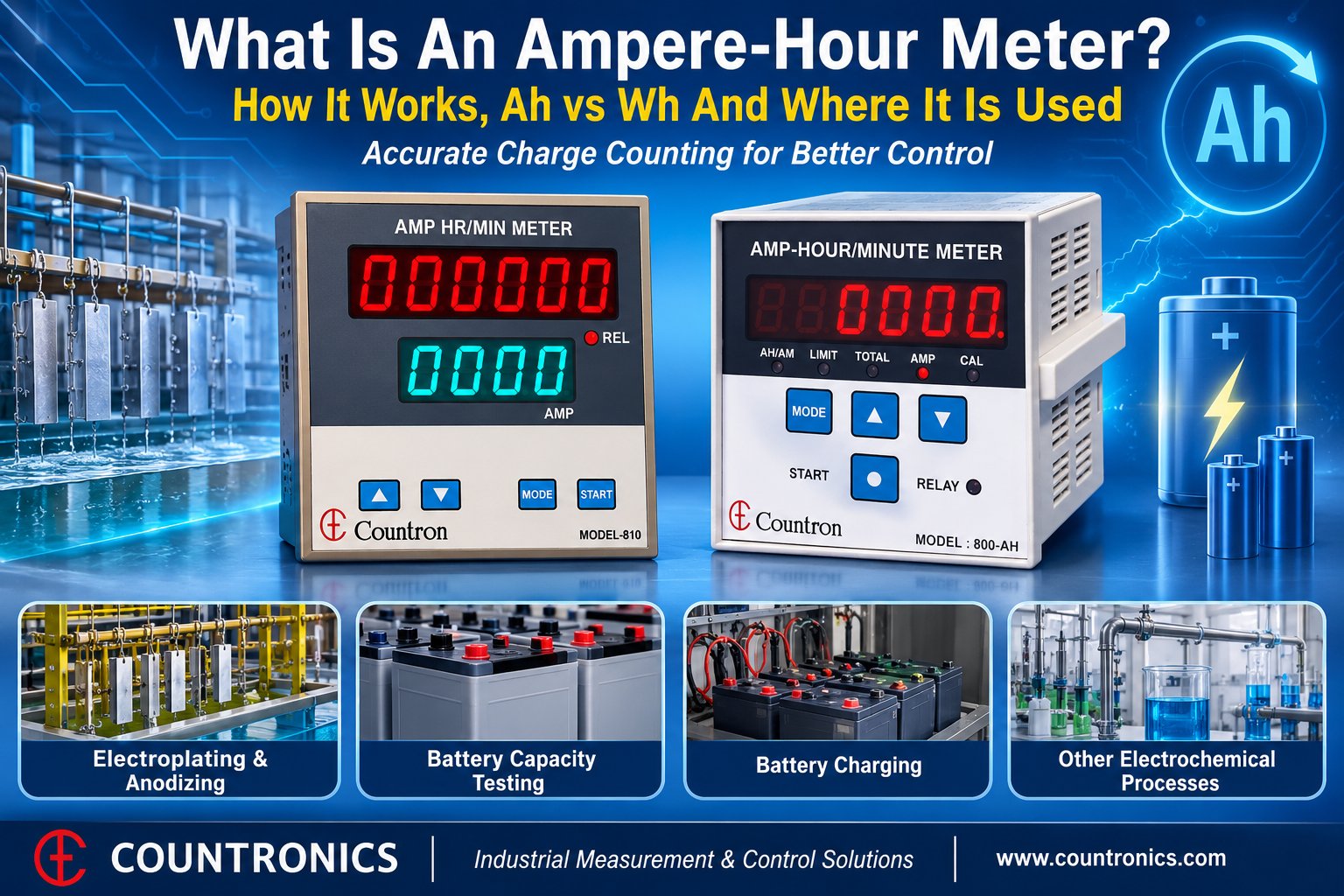
What an ampere-hour means, how an Ah meter measures charge with a shunt, why it beats a timer in plating, where it is used, and the wiring mistakes that cause wrong readings.
How to choose a flow meter type, how pulse and 4–20 mA signals become a flow reading, why DP meters need square-root extraction, unit conversions and the installation mistakes behind most errors.
Typical storage temperature and humidity ranges for different goods, where to place gauges in a warehouse, how condensation forms, and how far a display can be read.