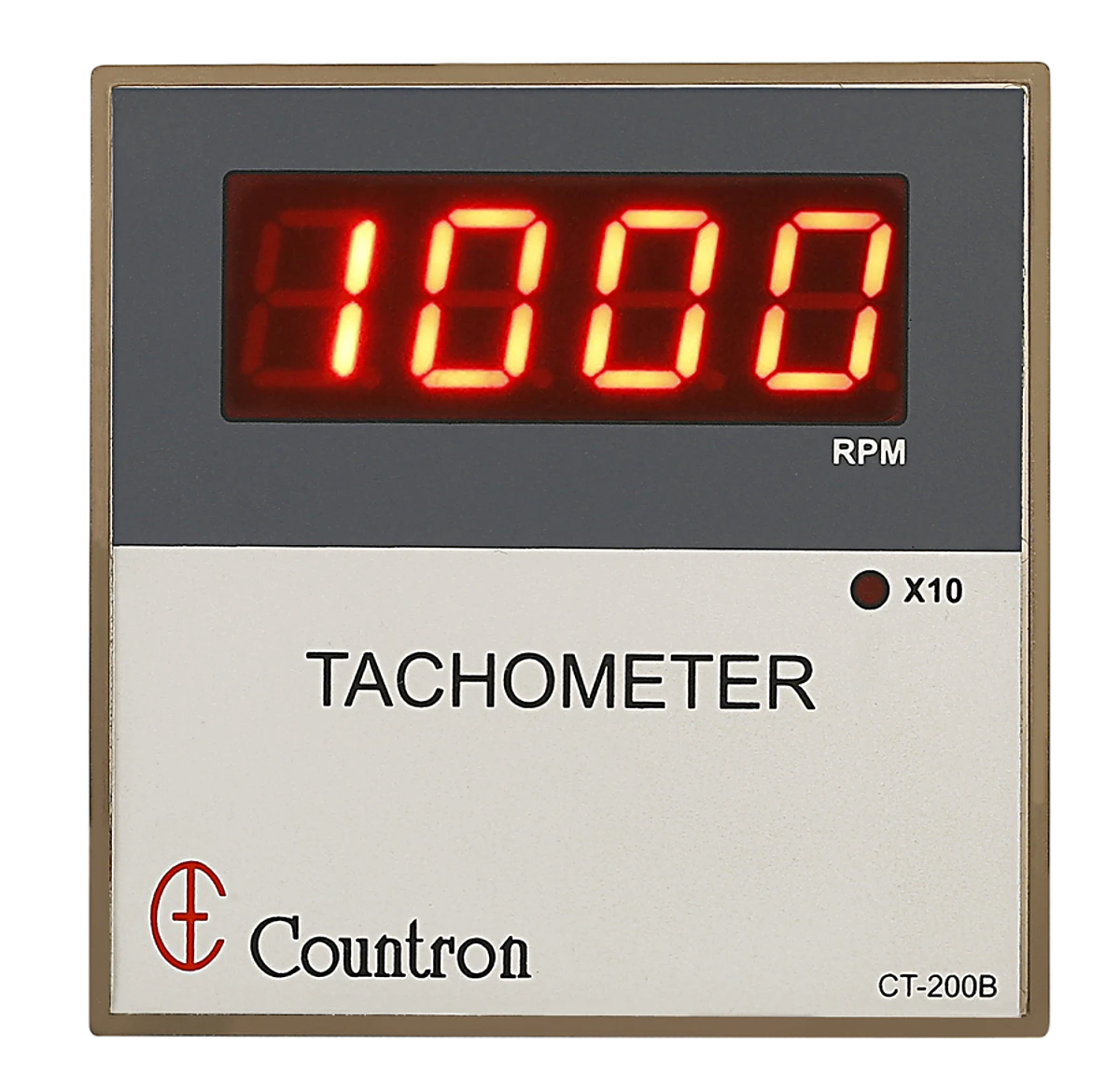
In short: A speed monitor watches a non-driven pulley or shaft with a proximity sensor. If speed falls below a set point — belt slip, a broken coupling, a jam — it raises
In short: A measuring wheel or encoder sends pulses as material moves; a counter multiplies them by a scale factor to show metres. For cut-to-length, use a counter with two set points: the
In short: ORP electrodes are checked rather than calibrated like pH. Dip the electrode in a known ORP test solution — for example Zobell’s solution (about +230 mV) or quinhydrone in pH 4
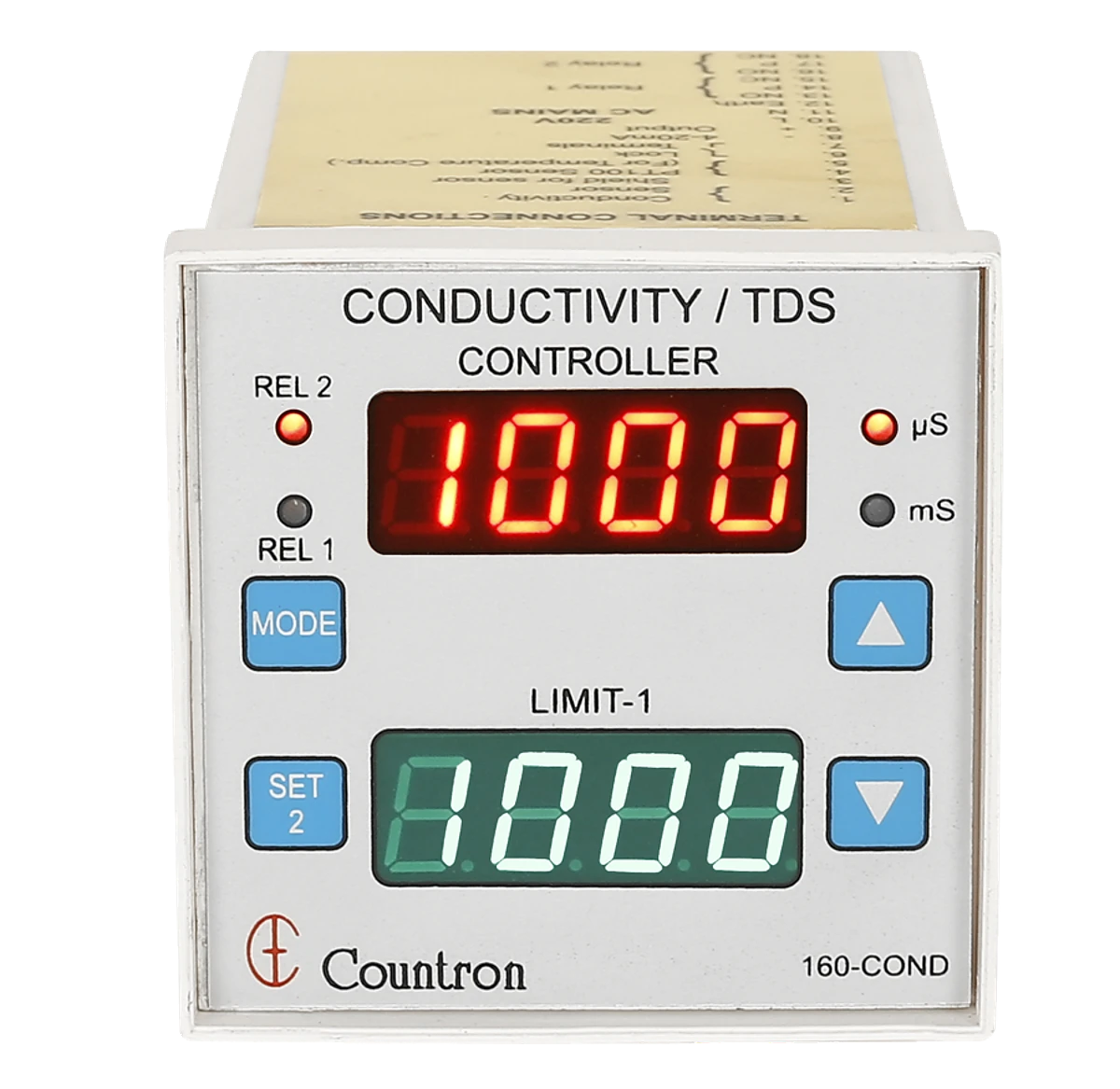
In short: The cell constant (K) matches the sensor to the conductivity range. Use roughly K = 0.01–0.1 for pure and RO water (below about 20 µS/cm), K = 1 for most process
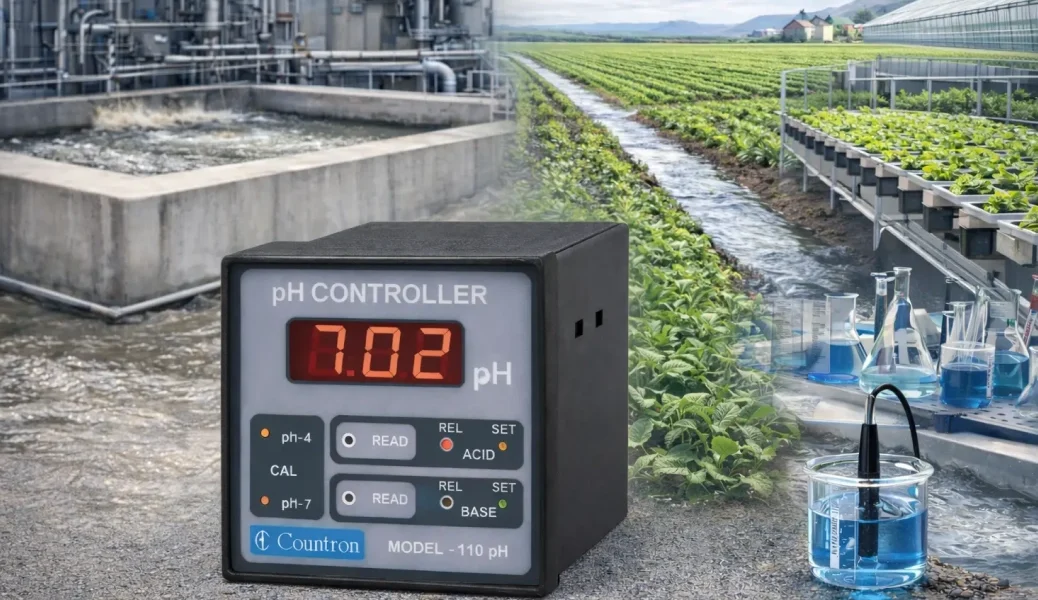
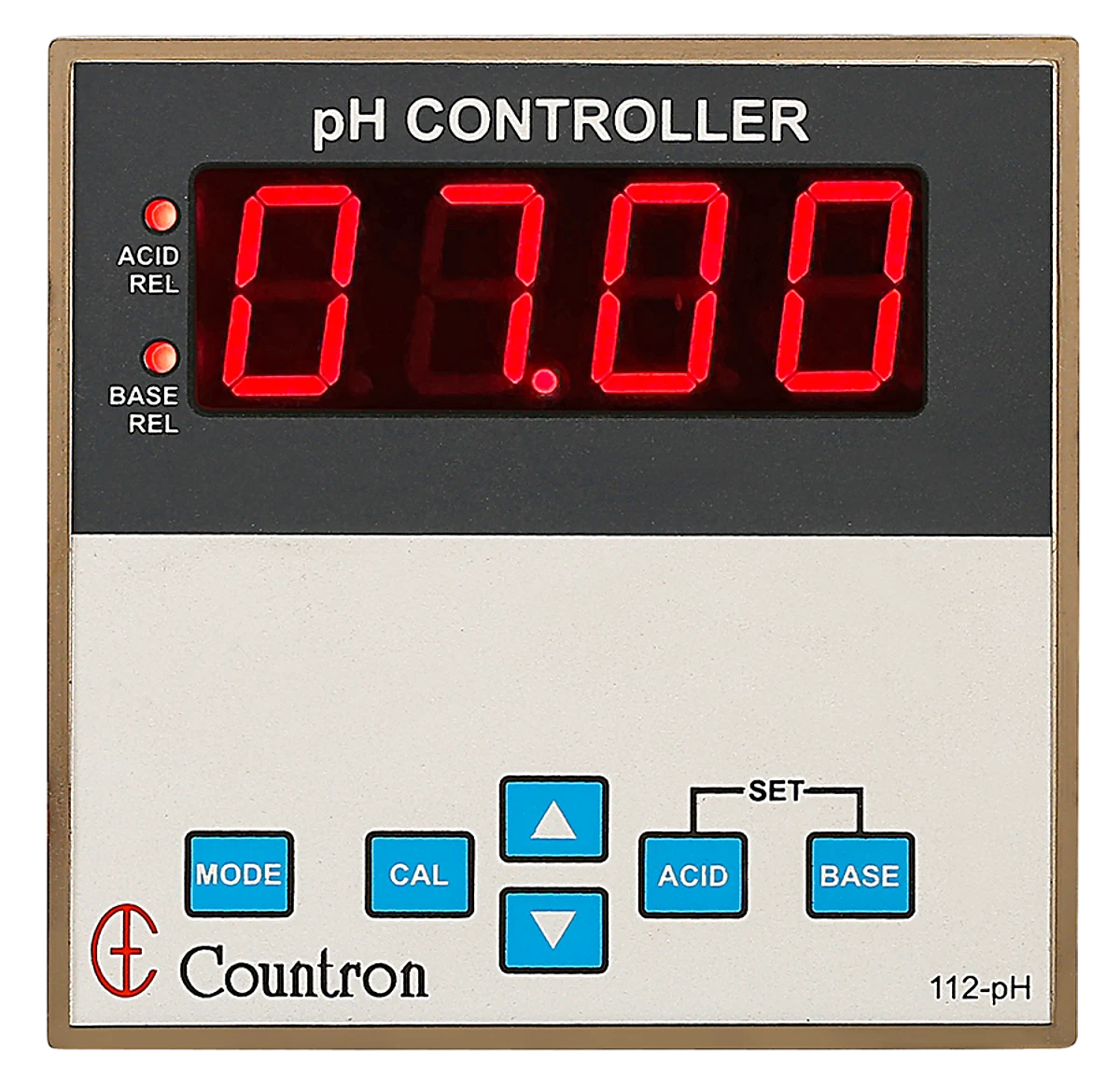
In short: Keep the electrode wet — store it in 3M KCl storage solution, never distilled water. Clean according to the contamination (detergent for oil, dilute acid for scale, enzyme/pepsin solution for protein),
In short: If incoming pH swings widely (for example from 2 to 12), use two stages: a coarse tank brings pH near neutral and a fine tank trims it. Give each stage enough