In short: An NPN sensor switches the signal to 0 V (sinking); a PNP sensor switches it to +V (sourcing). The counter’s input must match. Use a debounce/low-speed setting for mechanical contacts, and
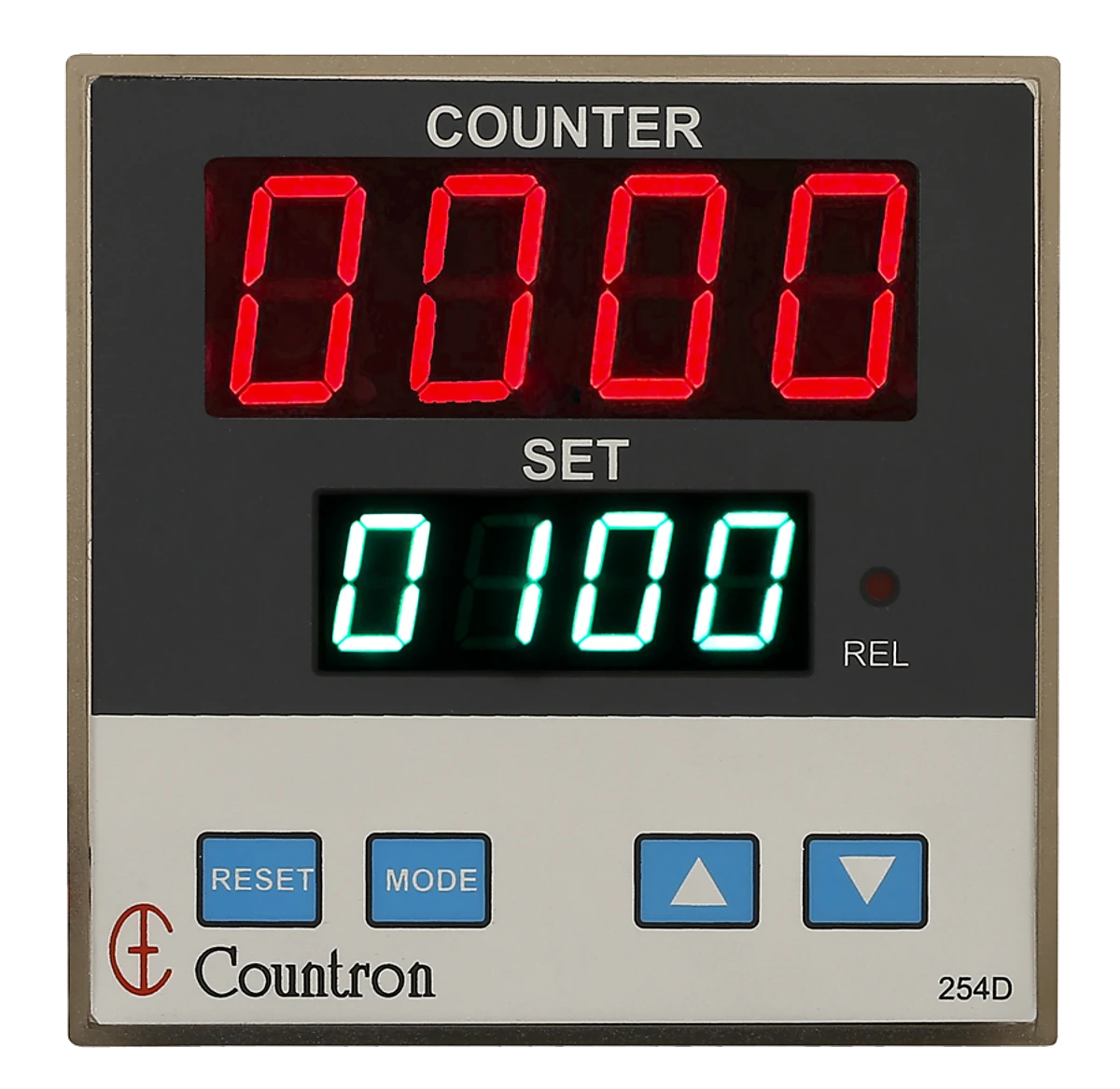
In short: A batch counter counts pieces into a pack and operates a relay at the preset quantity — to divert, stop a feeder or signal the operator — then auto-resets for the
In short: Boiler feed water is usually kept slightly alkaline to protect steel from corrosion — often around pH 8.5–9.5, depending on boiler pressure and metals. Cooling towers are commonly run around pH
In short: ATC corrects the electrode’s response — its mV-per-pH slope changes with temperature (about 59 mV/pH at 25 °C). It does not correct the fact that the sample’s actual pH changes with
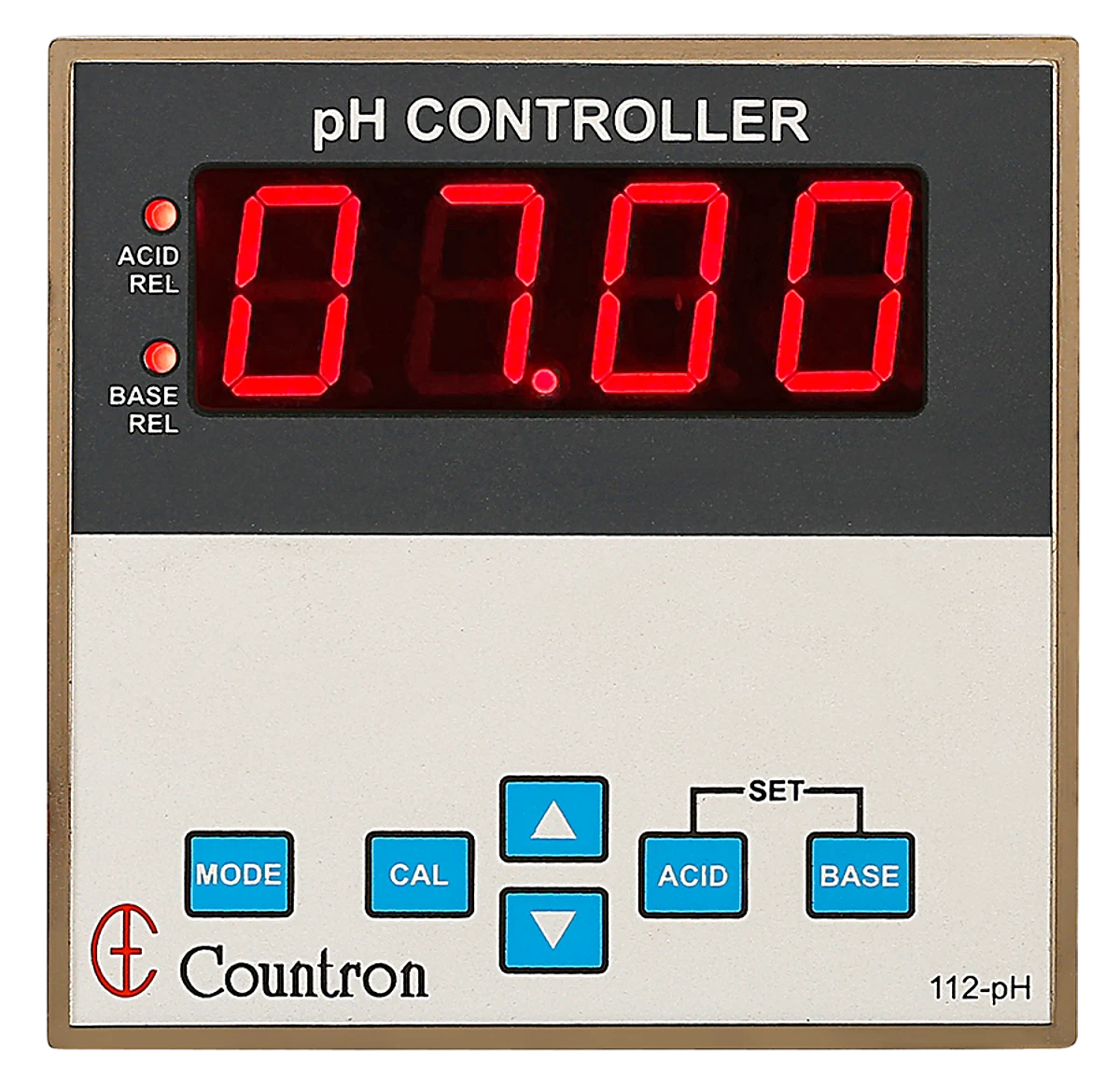
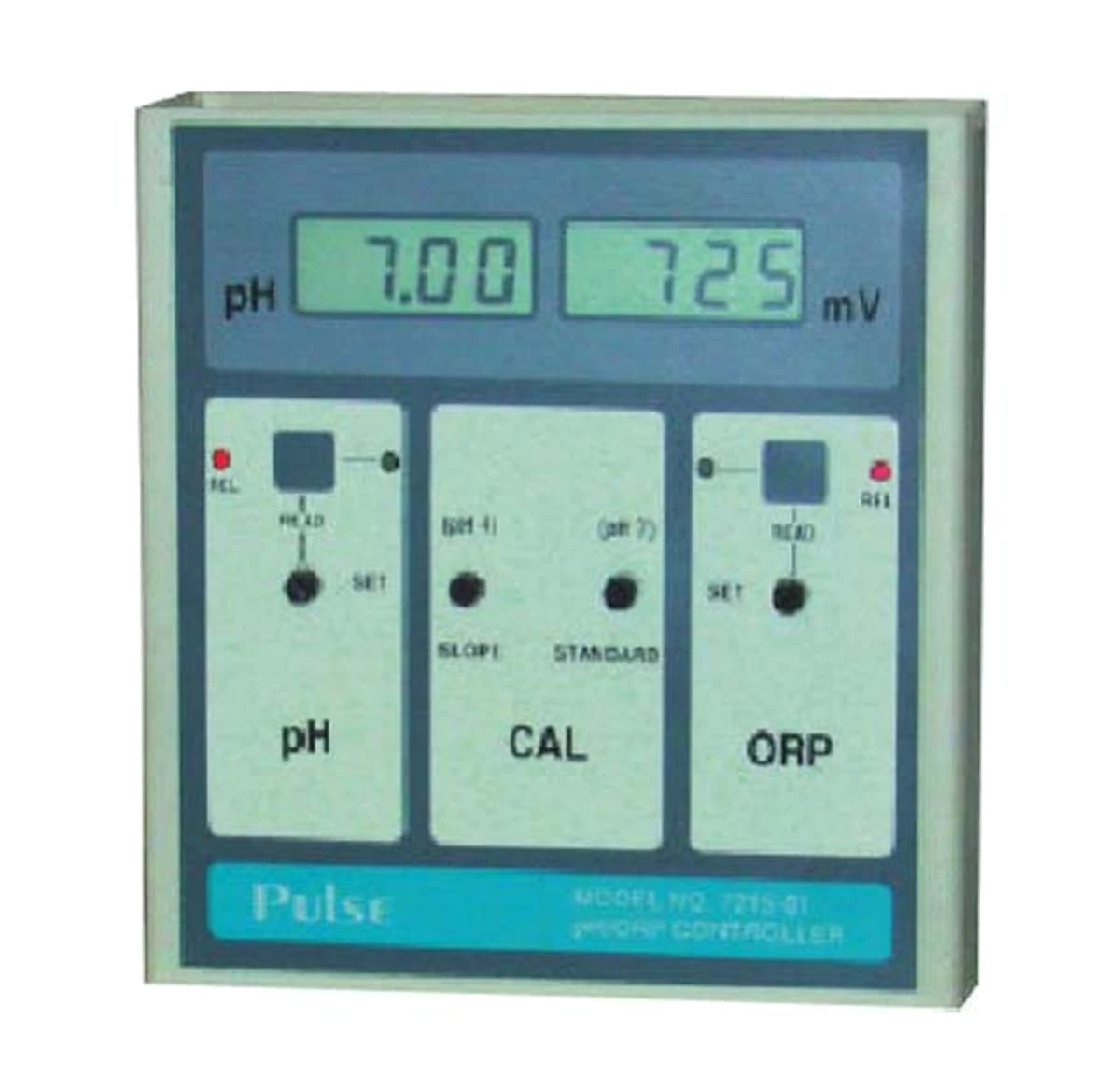
In short: Calibrate with pH 7 first (sets the offset), then a second buffer close to your samples — pH 4 for acidic, pH 10 for alkaline (sets the slope). Use a three-point
In short: Most unstable pH and ORP readings come from installation, not the instrument. Mount the electrode tip-down at an angle (usually at least 15° above horizontal), keep it always wet, avoid bubbles