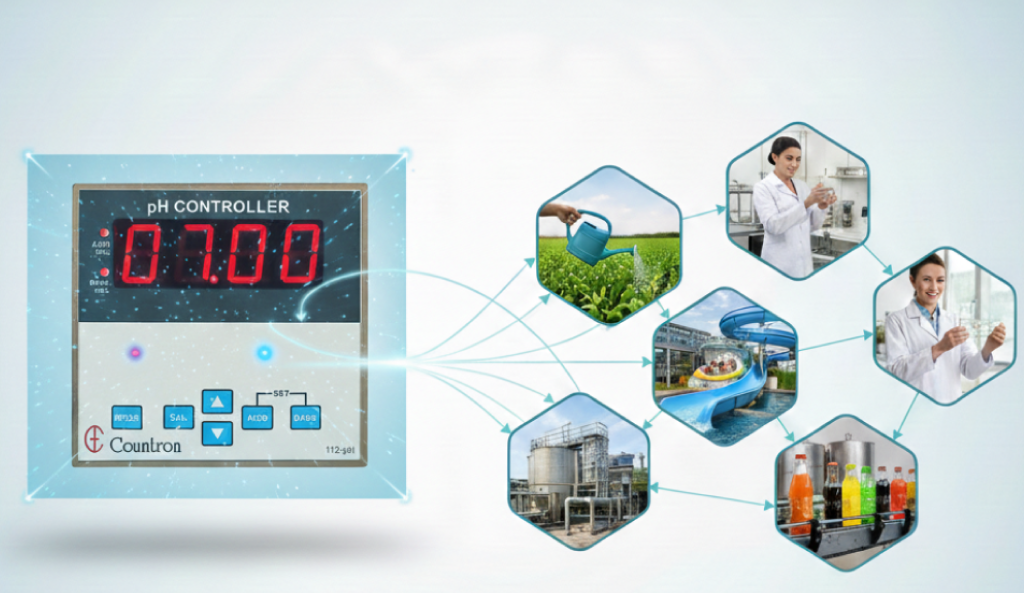
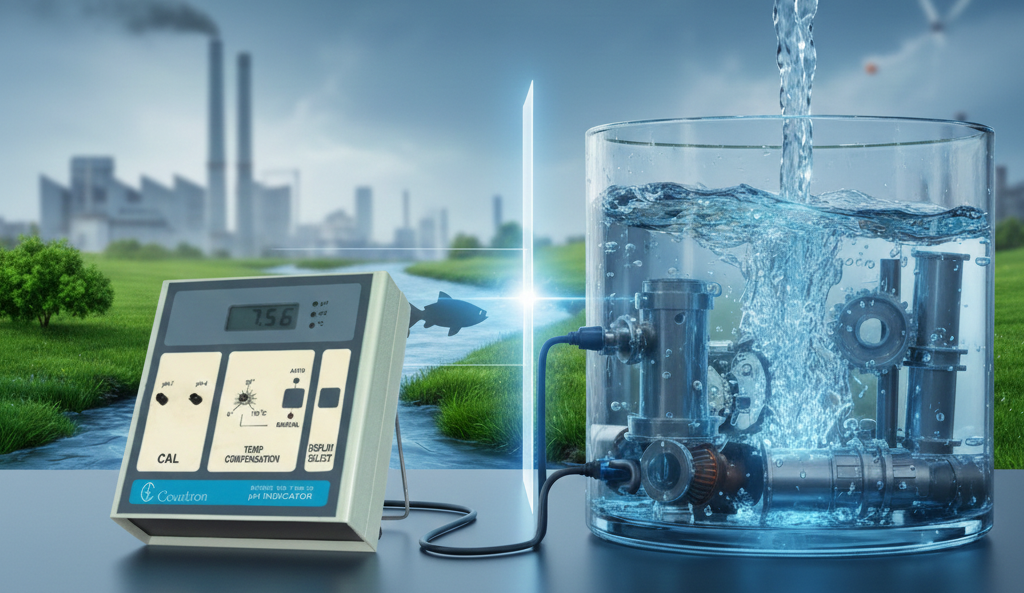
In short: Most hydroponic crops grow best with nutrient solution at about pH 5.5–6.5. Outside this range some nutrients — iron, phosphorus, calcium — become less available even if they are present. Control
In short: pH overshoot usually comes from too much chemical, too fast, with too little mixing. Size the pump for the real demand, use pulse or proportional dosing near the set point, place
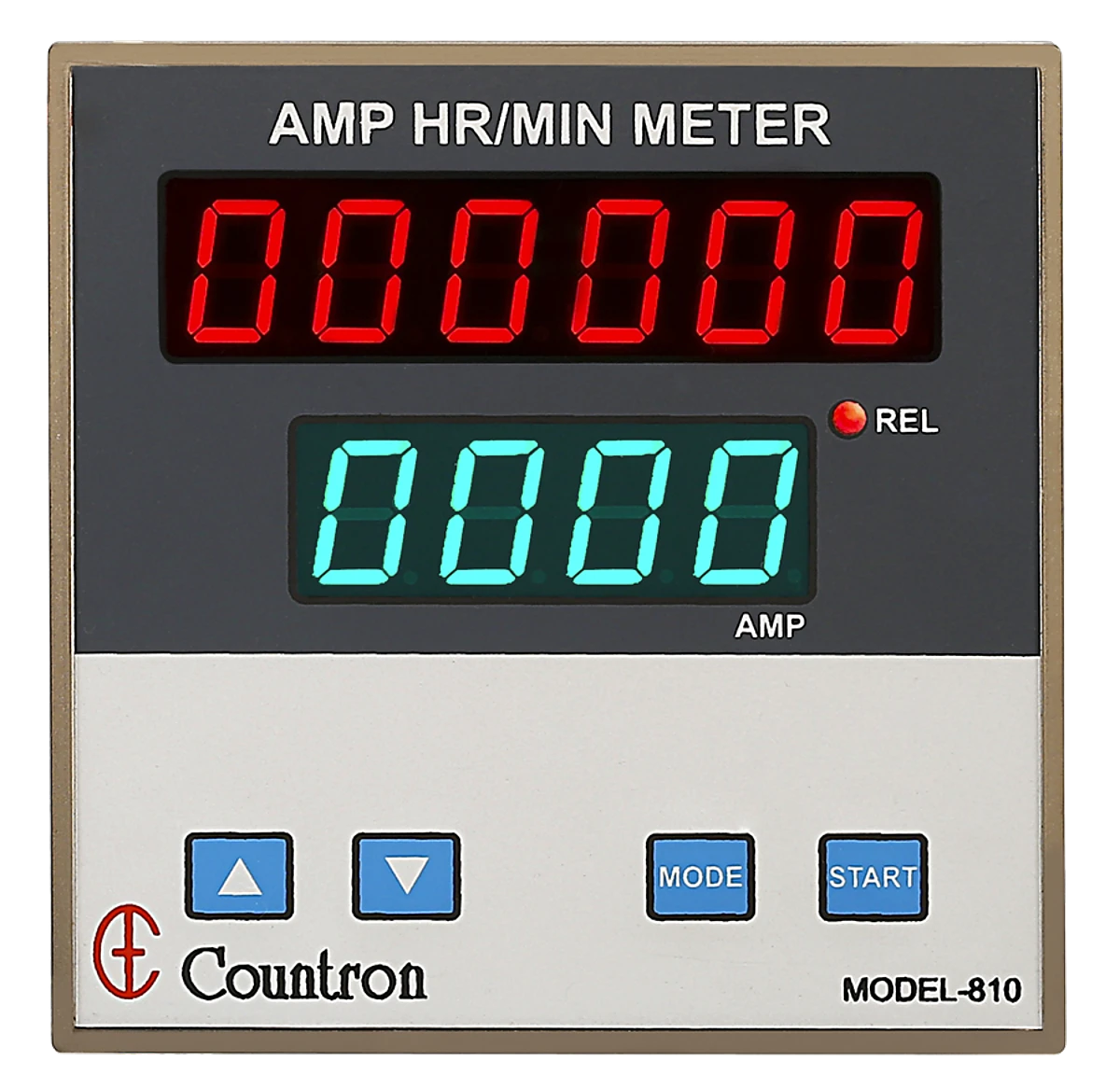
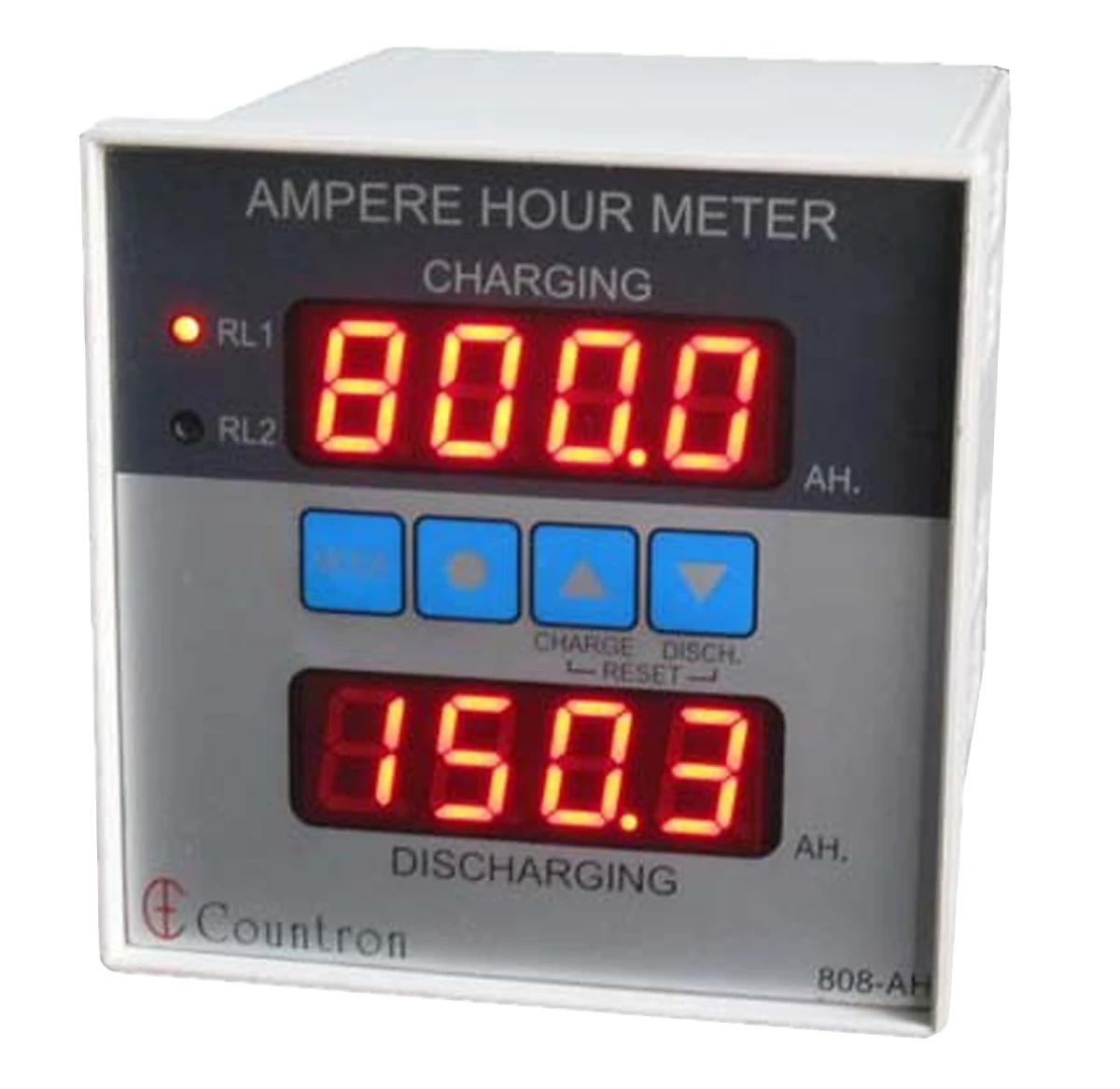
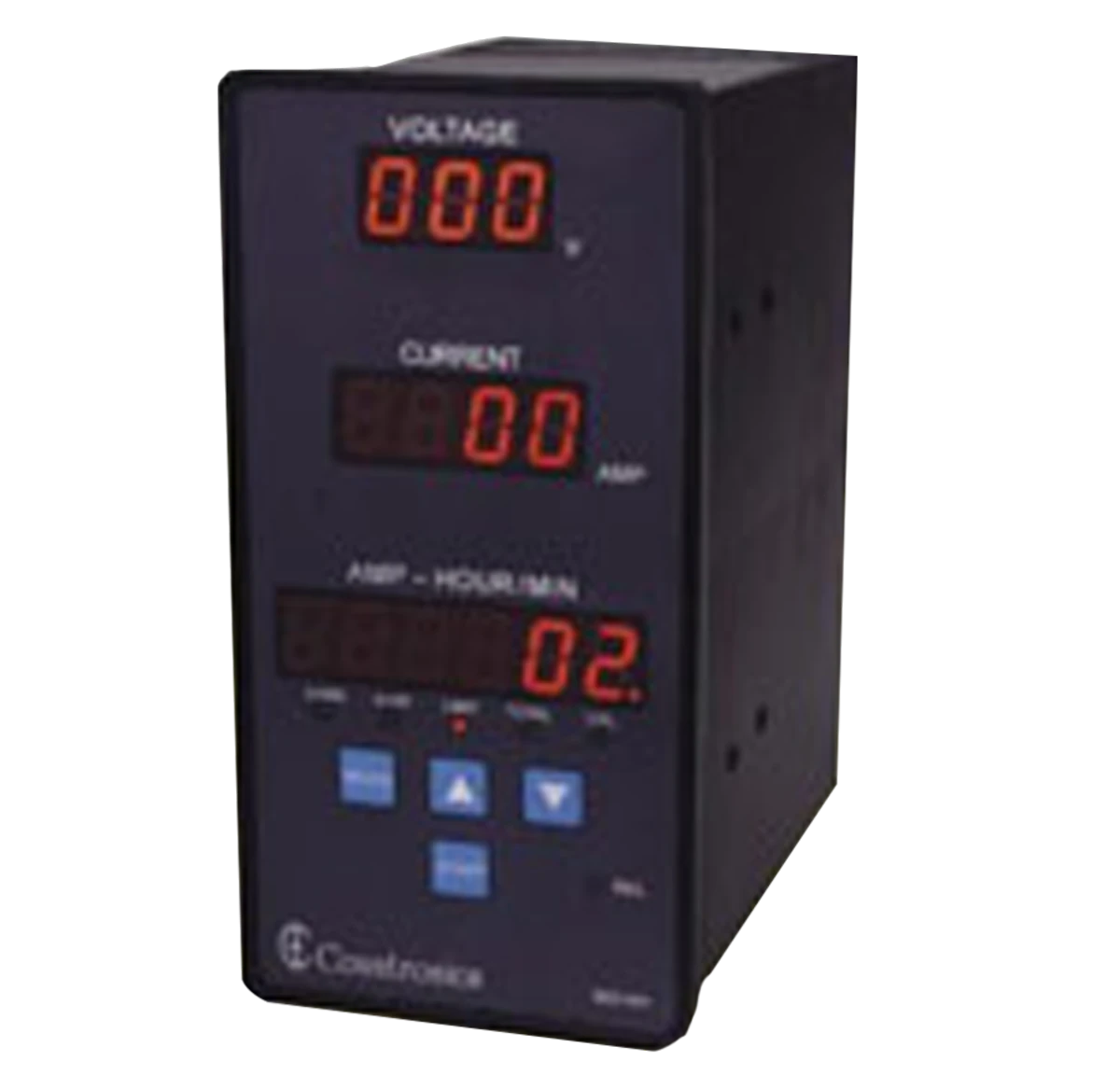
In short: Brighteners and additives are consumed in proportion to the charge passed, so suppliers specify additions per 1000 Ah (kAh). An Ah meter with a preset relay can trigger a dosing pump
In short: Anodic film thickness grows with the charge passed per unit area. A useful rule of thumb for sulphuric-acid anodising is roughly 0.3 µm per A·min/dm² — so 1.5 A/dm² for 40
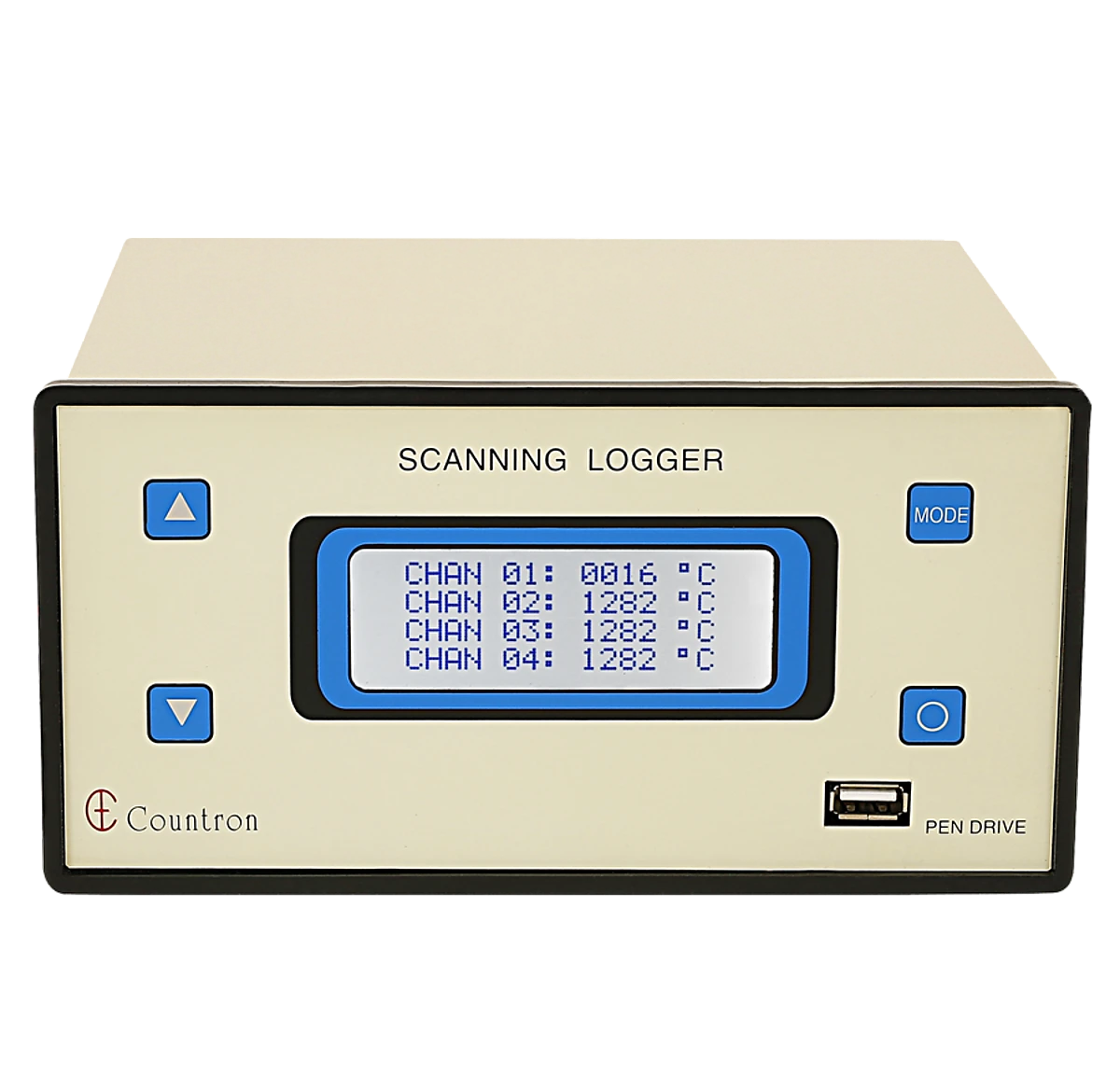
In short: Logging ampere-hours per tank and per batch turns the Ah meter from a counter into a quality record. Record the batch ID, tank, start and end time, current, Ah delivered and
In short: Red cells and whole blood are commonly stored at 2–6 °C, platelets at 20–24 °C with gentle agitation, and plasma frozen at -18 °C or colder (often -25 °C or below).