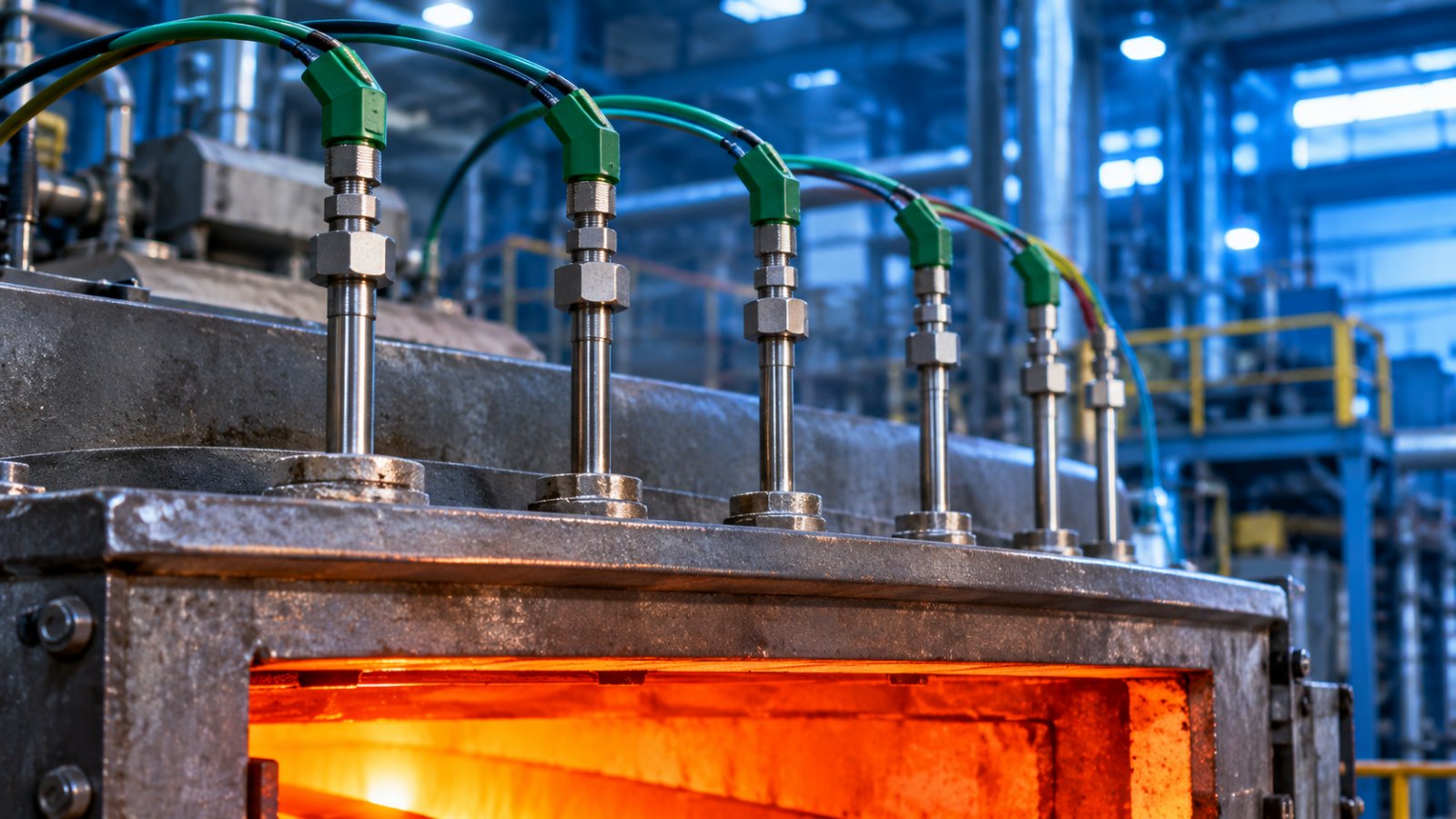
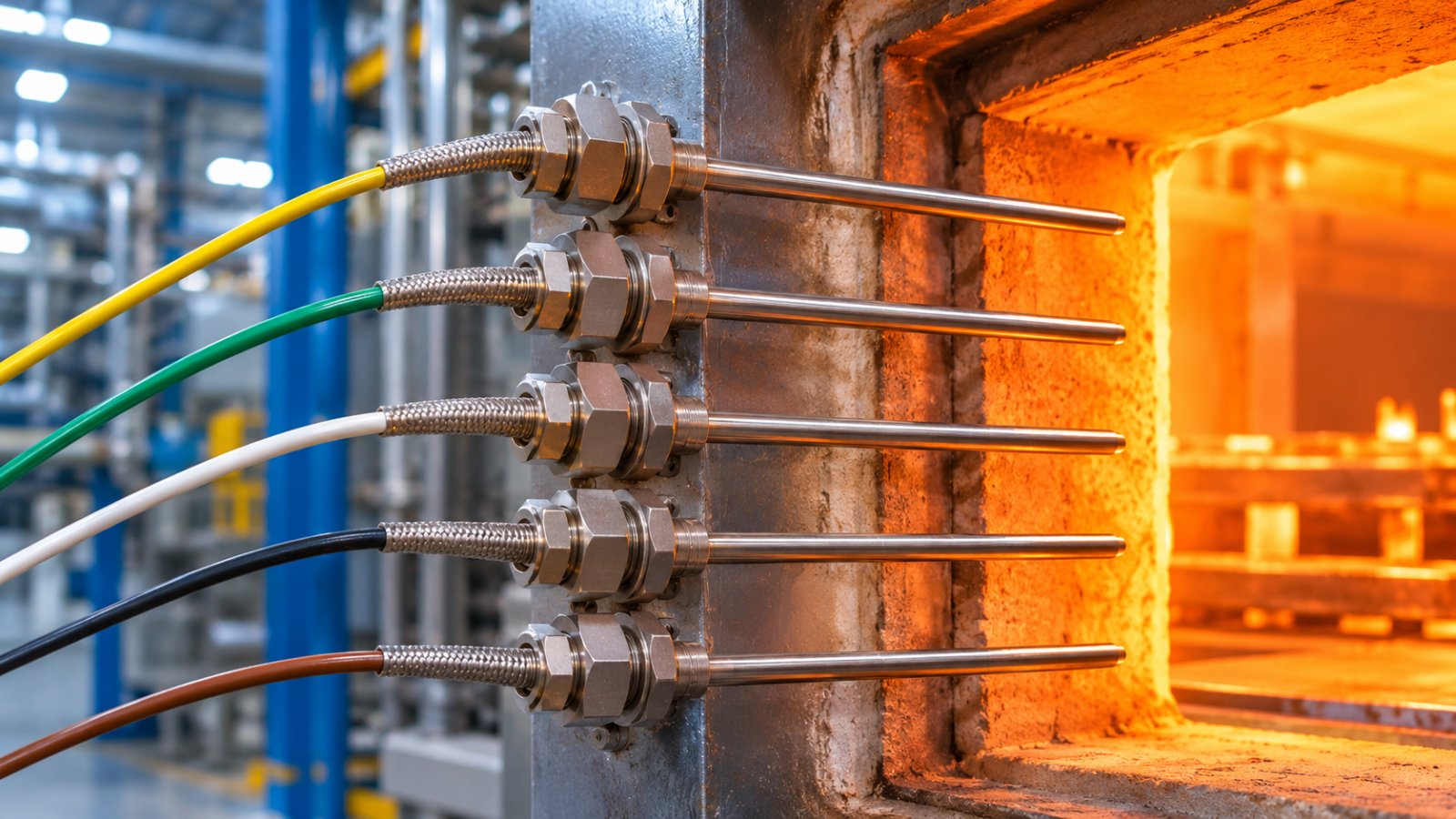
In short: Type K (Chromel/Alumel) is the general-purpose thermocouple: about −200 to +1250 °C, roughly 41 µV/°C, IEC colour green (+) / white (−). Standard accuracy is ±2.2 °C or ±0.75 % above
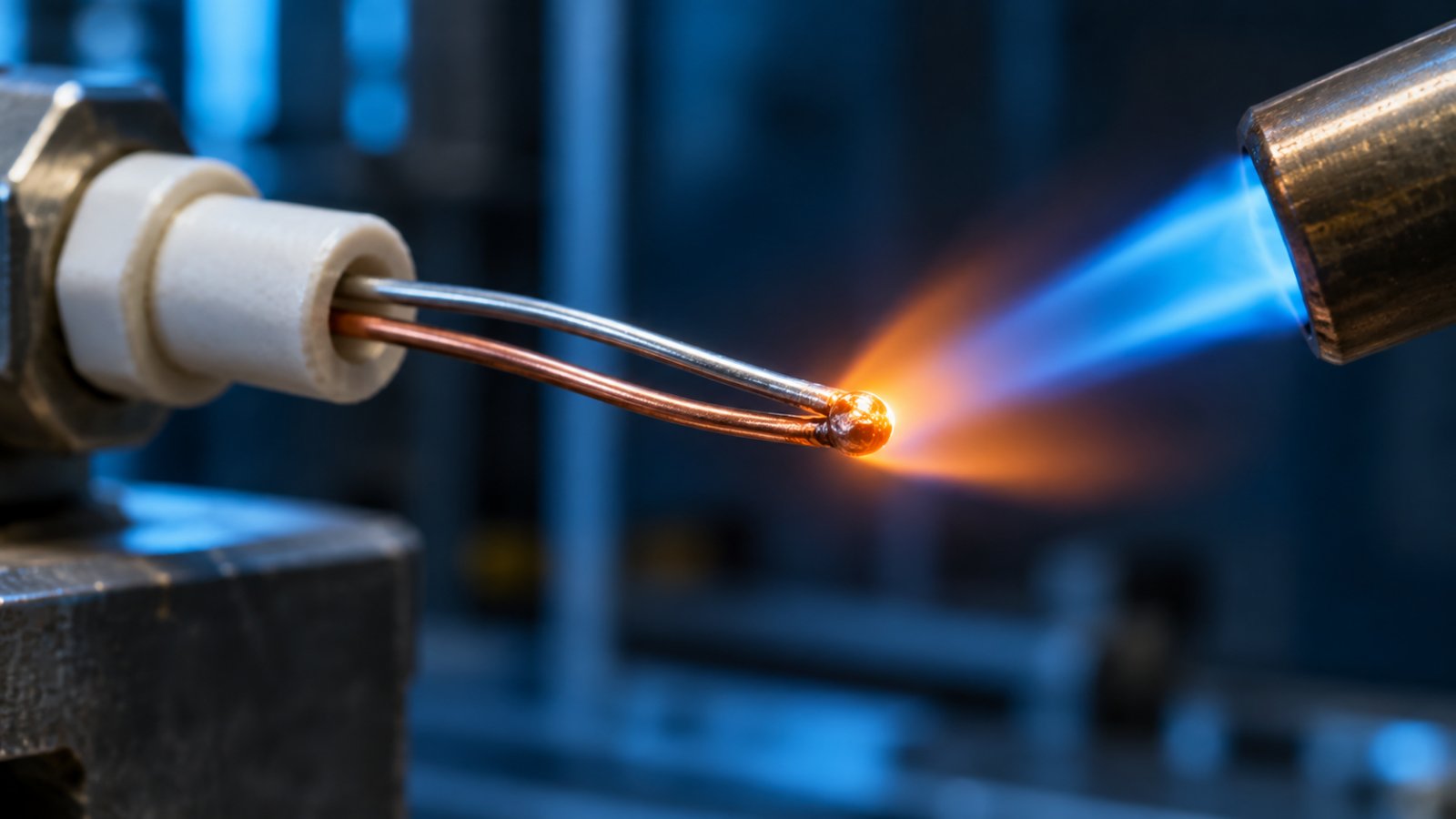
In short: A thermocouple is two different metals joined at one end. A temperature difference along the wires produces a small voltage — roughly 40 µV per °C for Type K (the Seebeck
In short: Identify a thermocouple by its negative lead: it is red in the ANSI (US) code and white in the IEC (Indian/European) code. The positive lead and jacket then tell you the
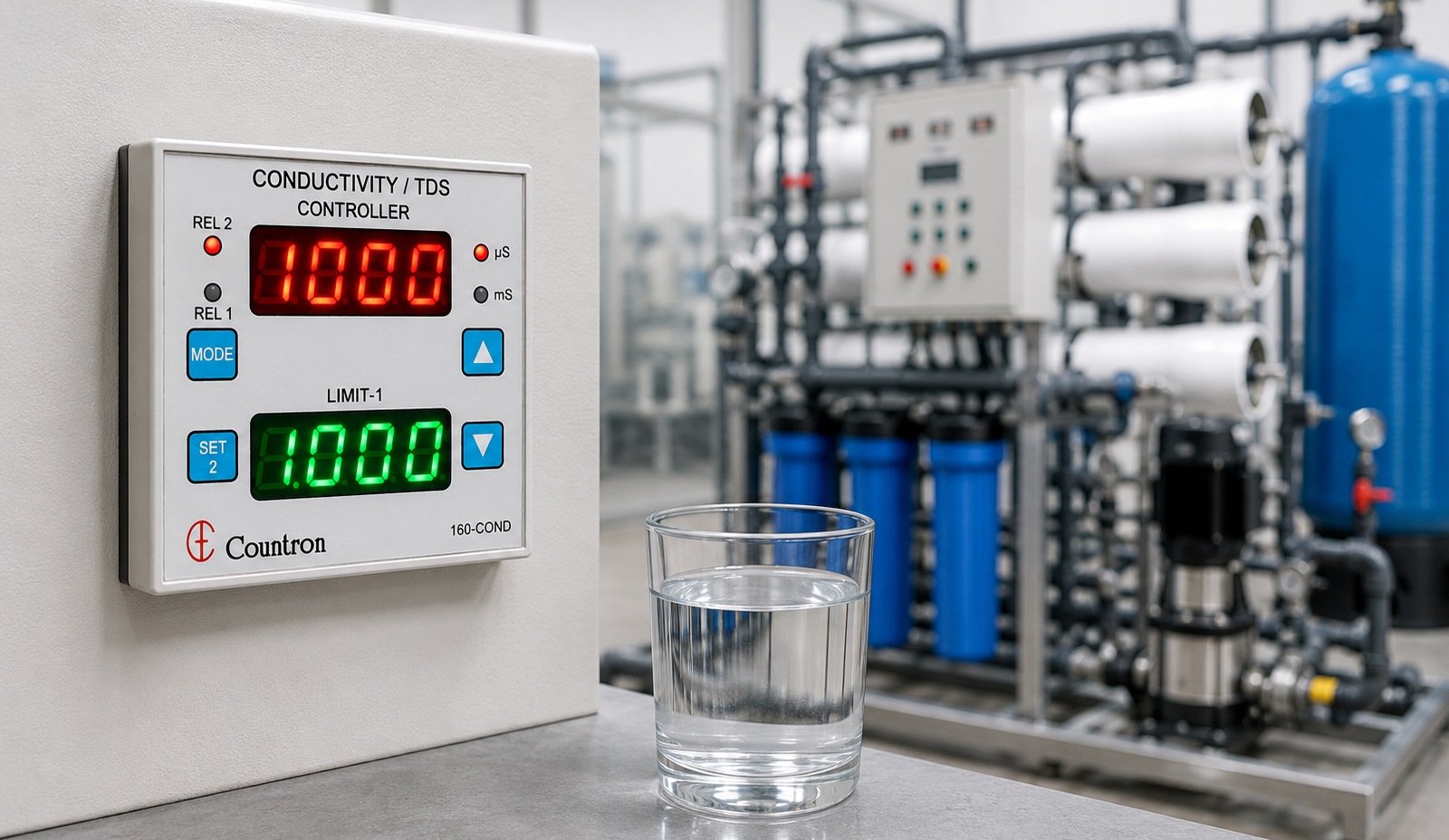
In short: Measure conductivity of feed and permeate. Salt rejection % = (1 − permeate ÷ feed) × 100. A healthy RO often rejects around 95–99 %. A falling rejection or rising permeate
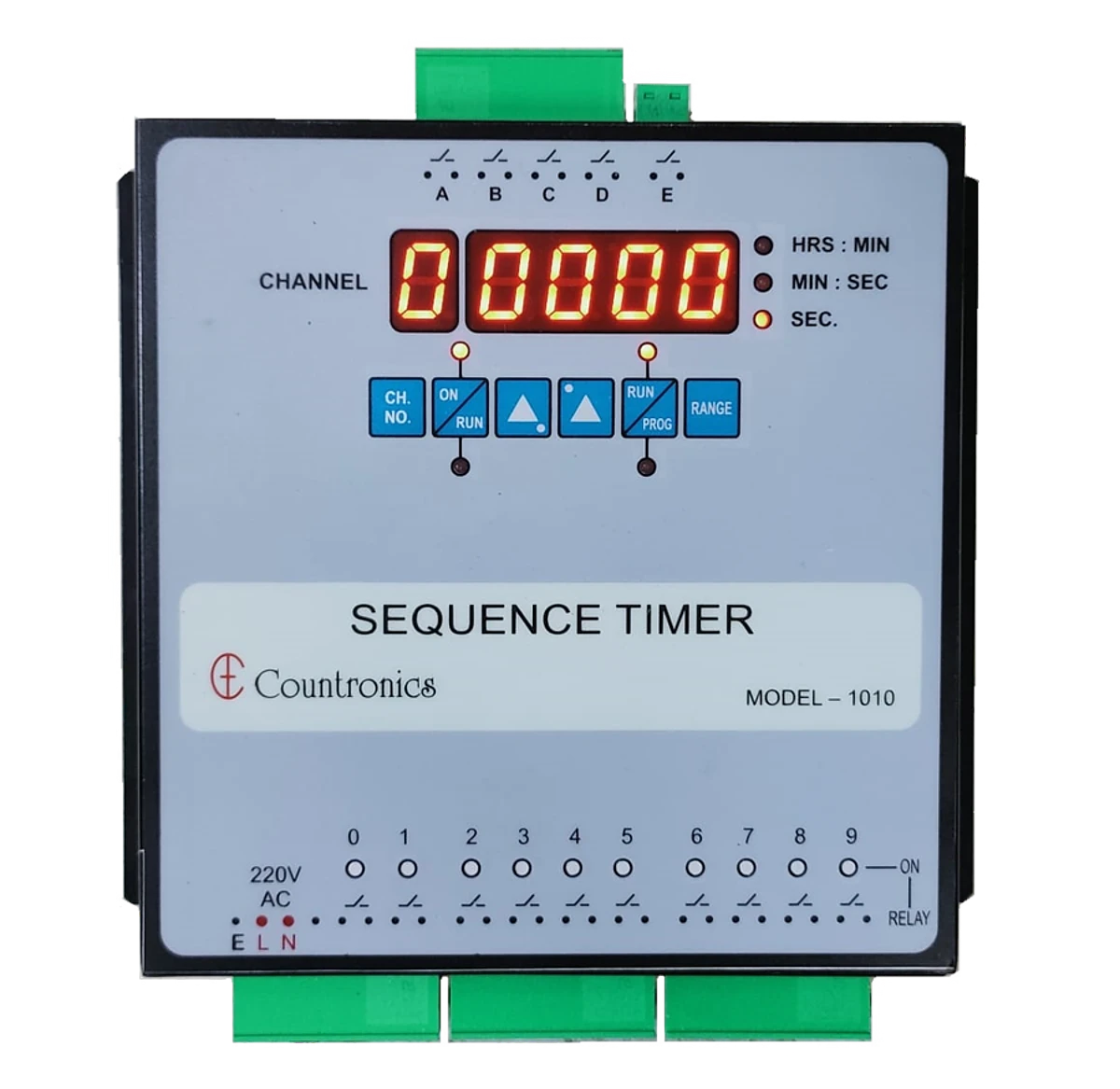
In short: After a power cut, a timer either resets (starts again from zero), or resumes from where it stopped. Resume is essential for long processes such as curing and soaking; reset is
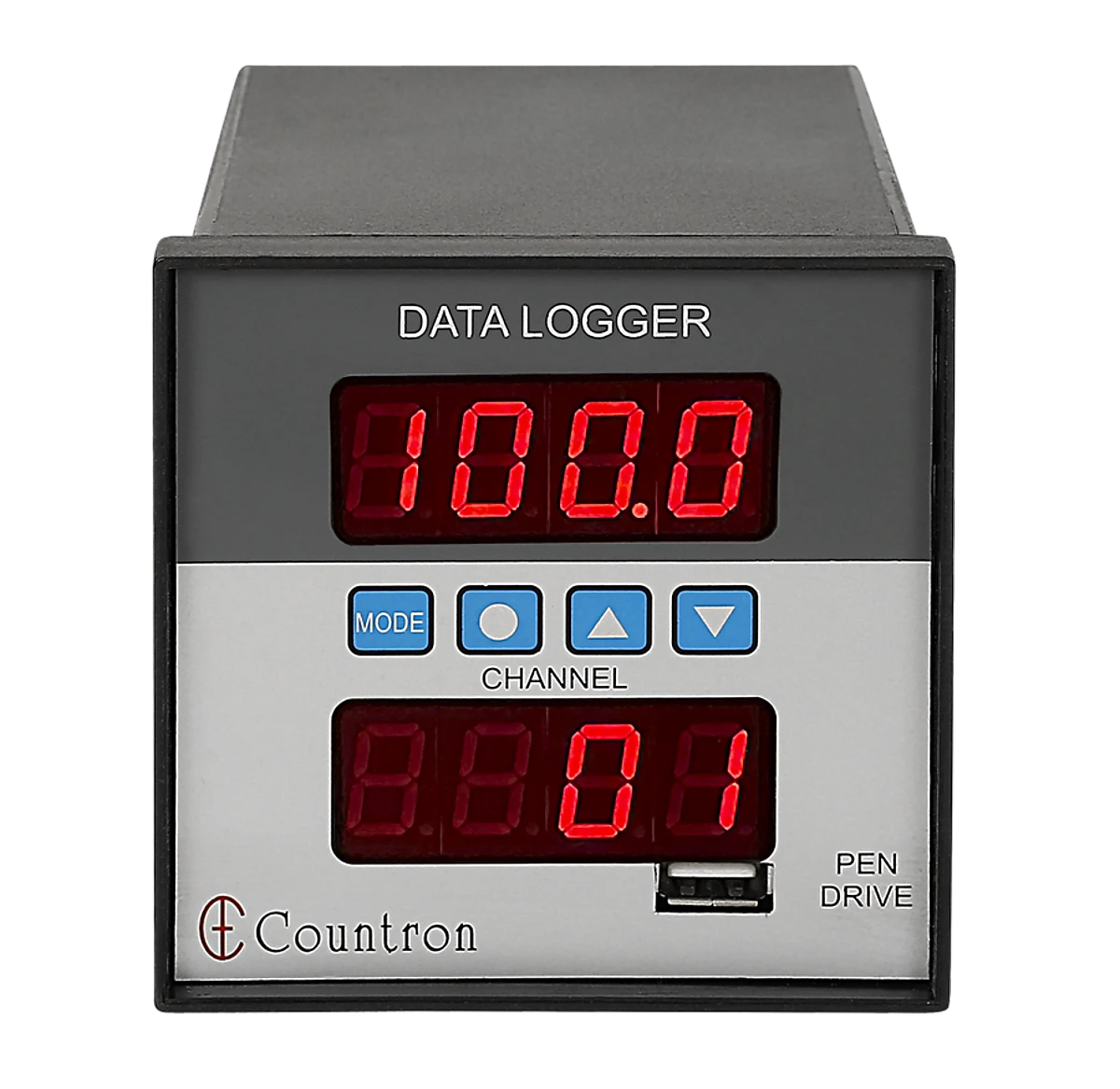
In short: Total measurement error = instrument error + sensor error + installation error. A logger rated ±1 °C with a standard thermocouple can easily be off by several degrees in total. Resolution