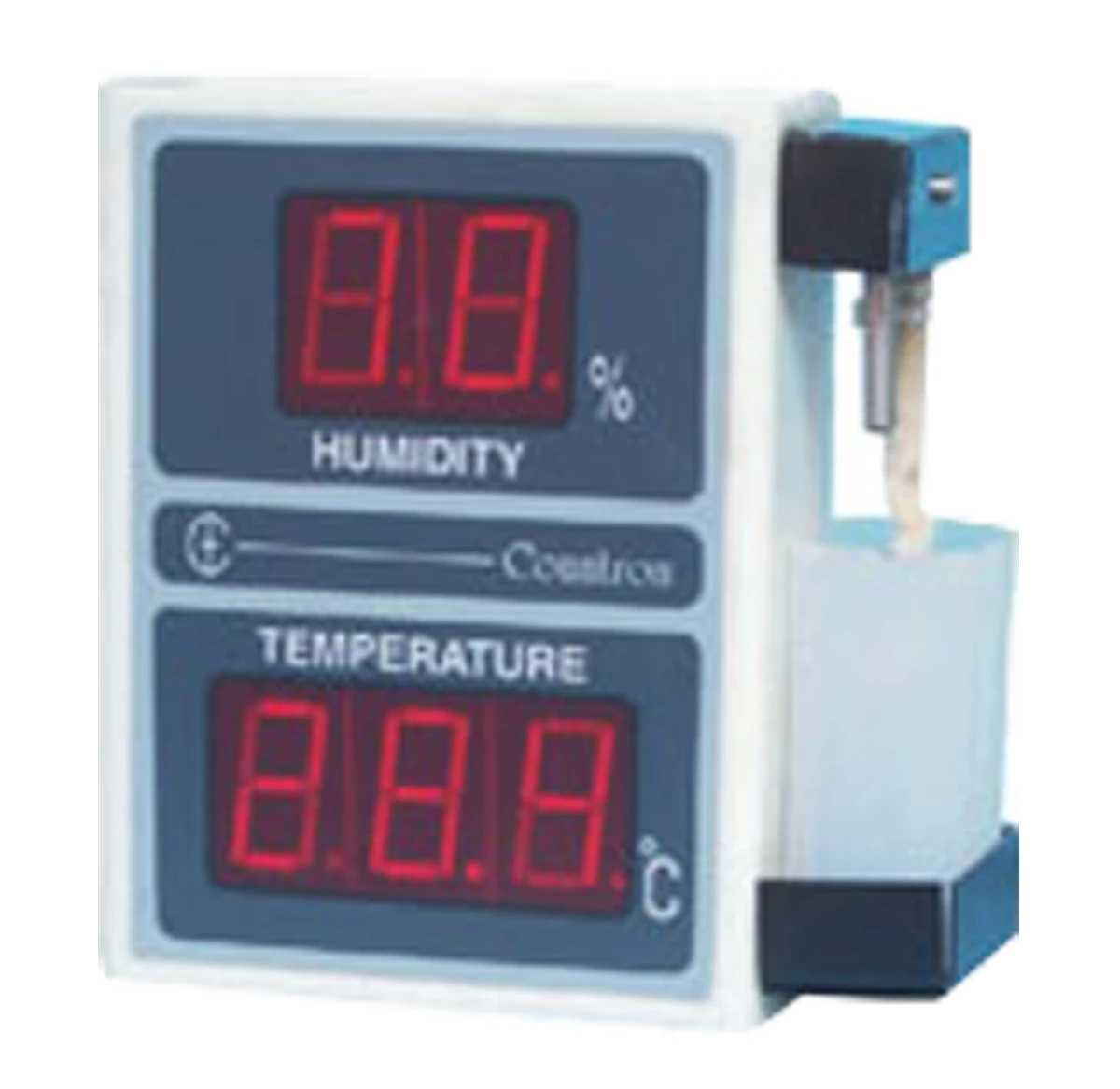
In short: Industry guidance (ASHRAE) recommends server inlet air of about 18–27 °C with humidity limited by dew point and a maximum of about 60 %RH. Too humid risks condensation and corrosion; very
In short: Stored grain, seed and spices slowly reach moisture balance with the surrounding air. Humid air raises their moisture content, encouraging mould, insects and quality loss; very dry air can cause weight
In short: Electronics assembly needs humidity in a middle band — commonly around 30–60 %RH. Too dry and static discharge damages components; too humid and moisture-sensitive parts absorb water and can crack during
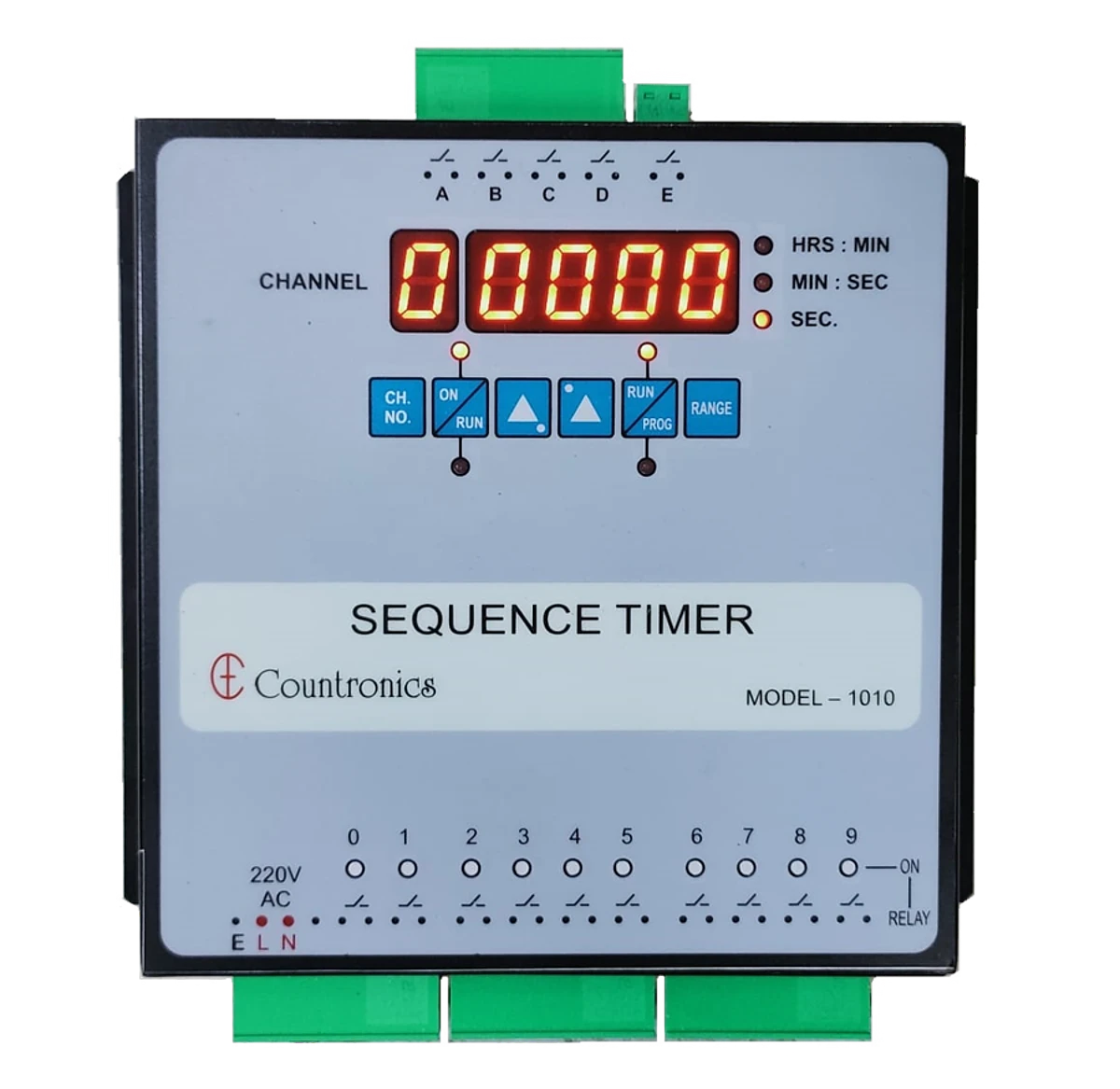
In short: An on-delay timer switches once after a set time; a cyclic timer repeats ON/OFF periods continuously; a sequential timer switches several outputs one after another; a programmable digital timer lets you
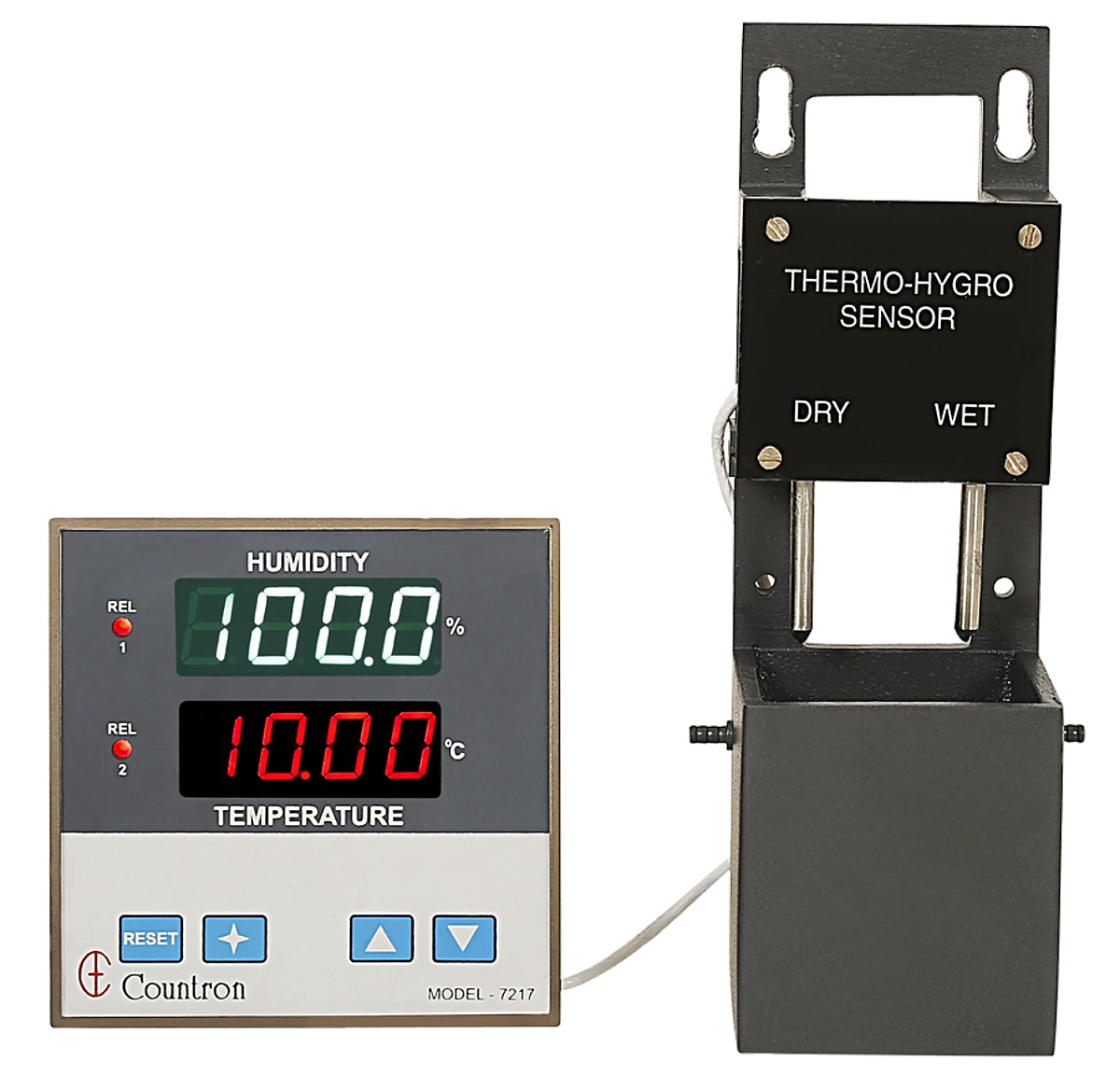
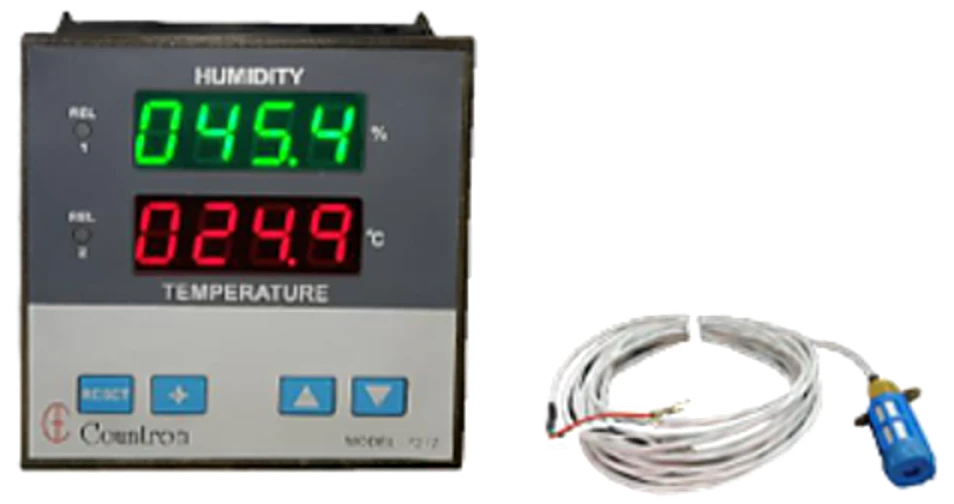
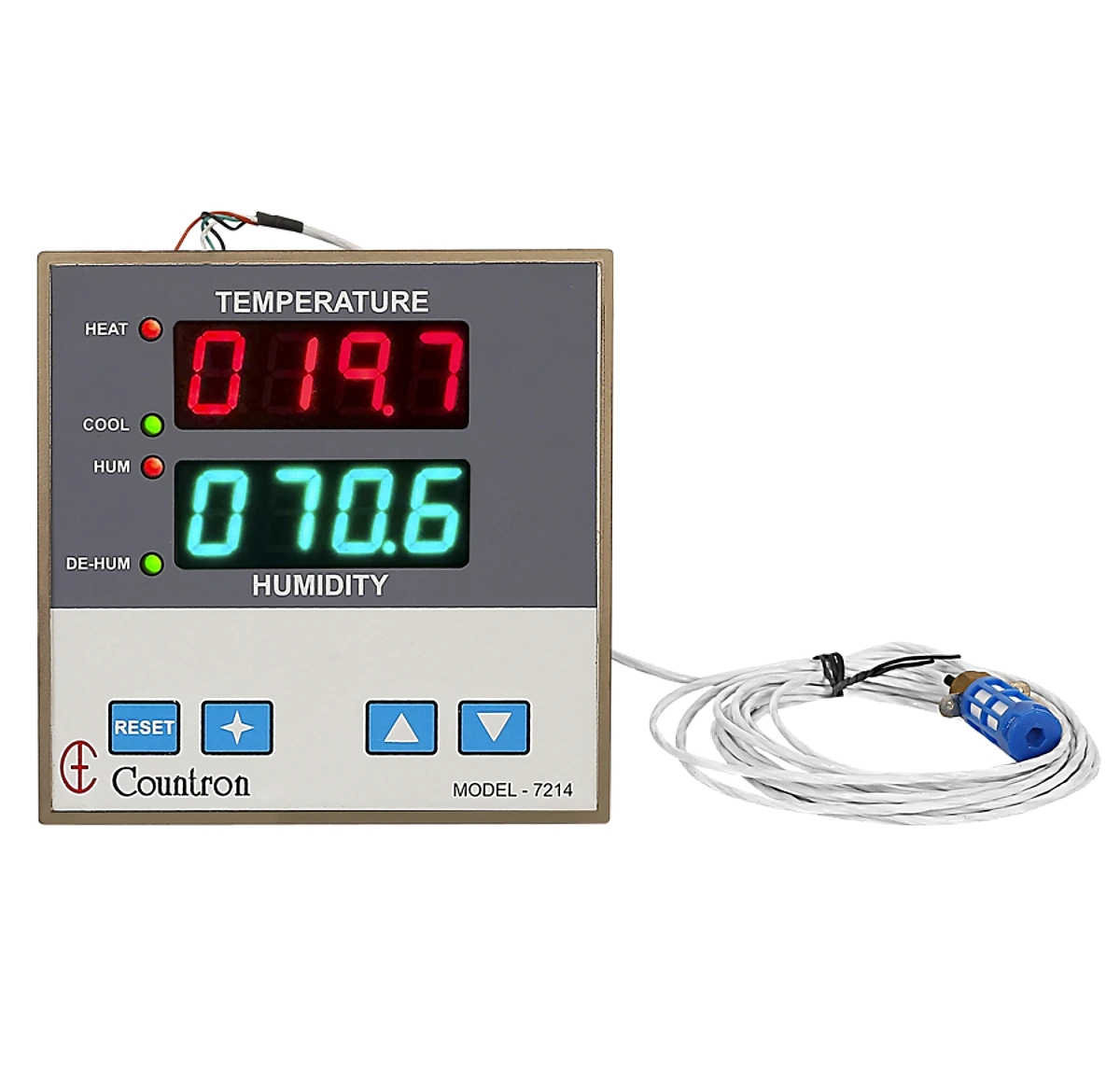
How to decide between a humidity indicator, controller and data logger, and the practical points to check on range, probe, outputs, records and installation before you buy.
Where to place humidity sensors in rooms, warehouses, ducts, cold stores and chambers, the distances to keep from doors and equipment, and the mounting errors that cause wrong readings.