How to diagnose common moisture problems such as condensation, mould, caking, corrosion and static using RH, dew point and surface temperature, with practical fixes.
Condensation, Mould, Caking And Static: How To Diagnose And Fix Moisture Problems Using Humidity And Dew Point
Typical relative humidity ranges for textiles, printing, electronics assembly, food and cold storage, seed stores, mushroom farms, hatcheries, museums and offices, and why each range is used.
Recommended Humidity Levels By Application: Textiles, Printing, Electronics, Food Storage, Hatcheries And More
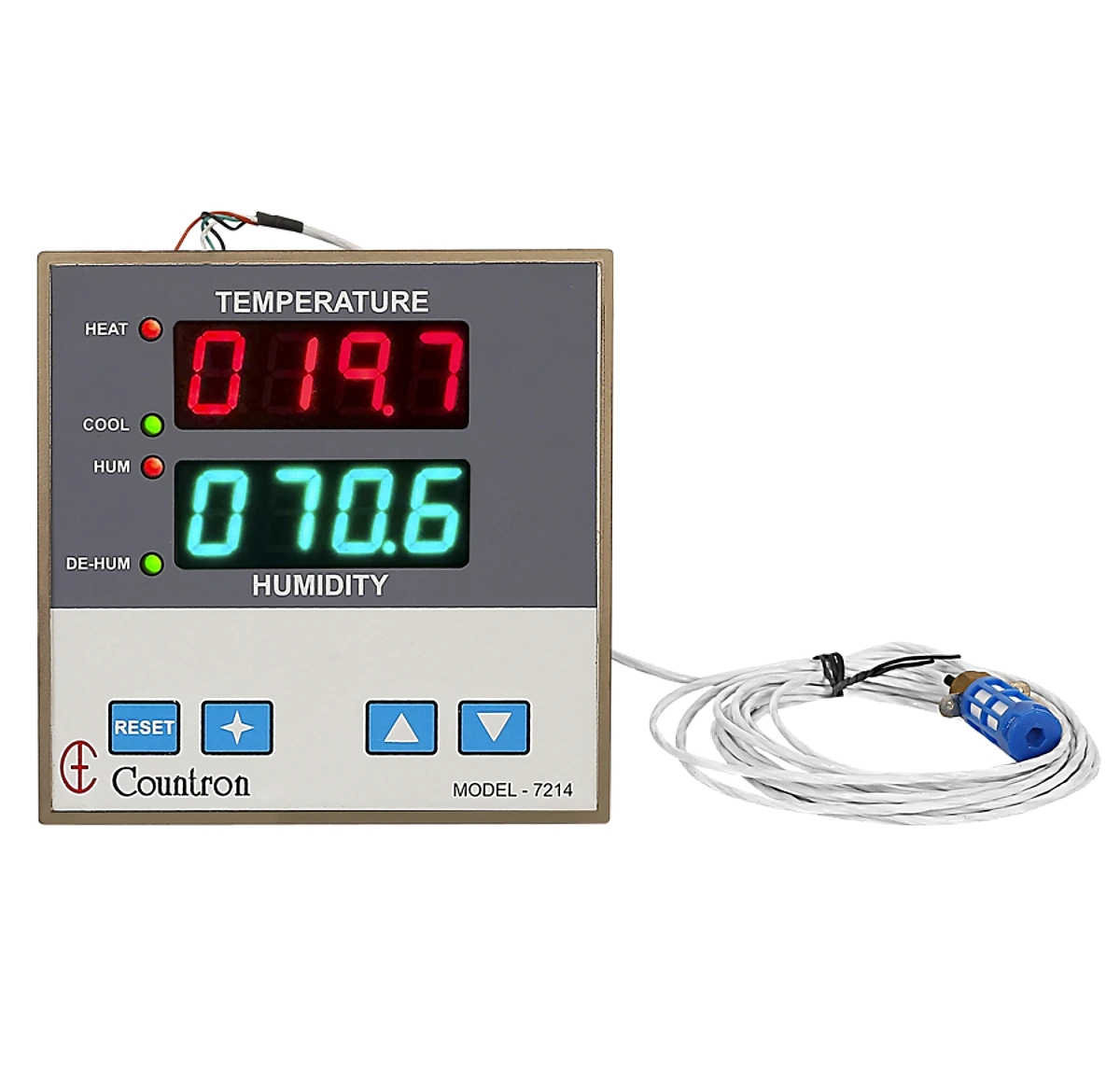
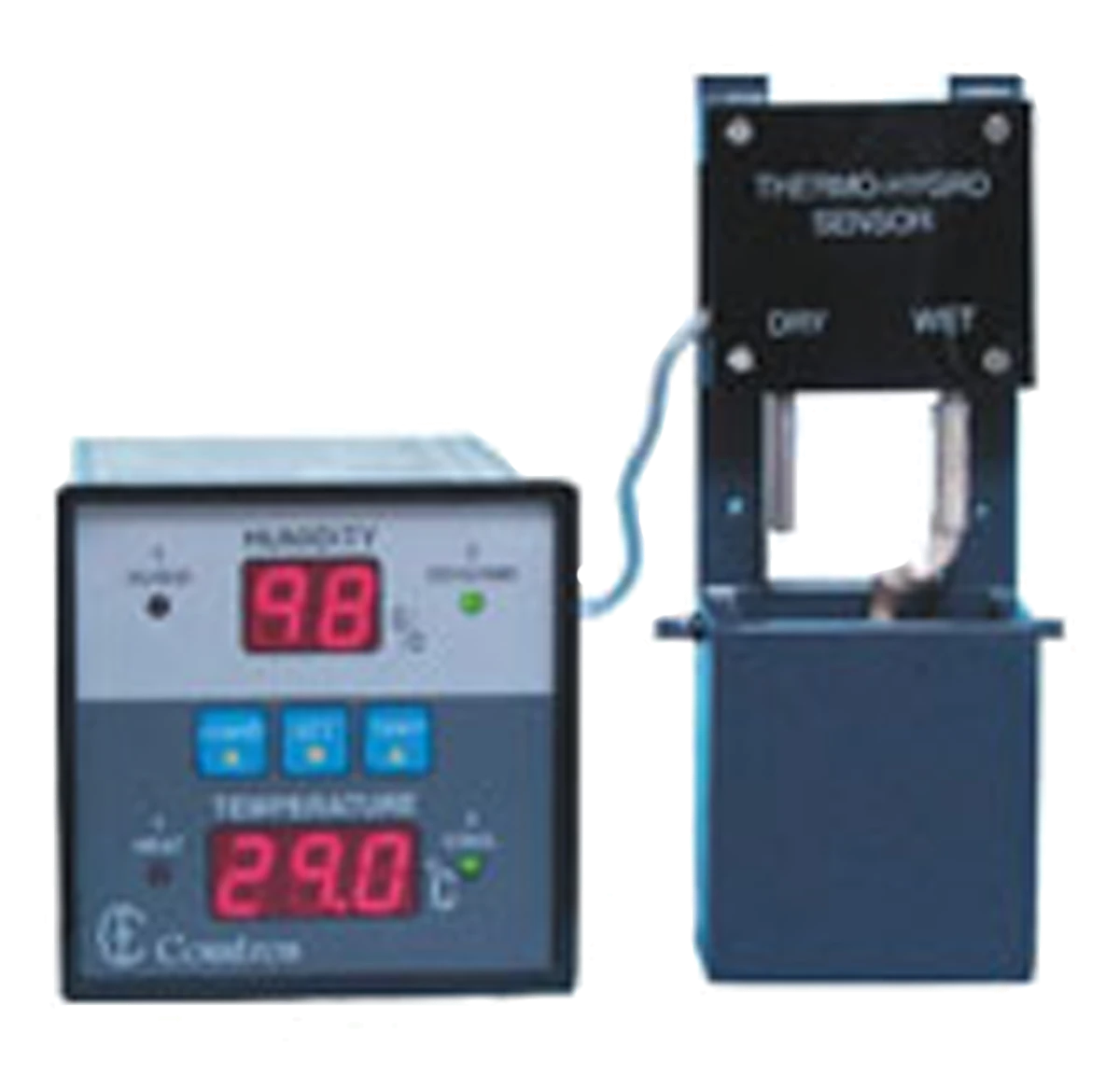
How heating, cooling and reheat change relative humidity, why temperature swings cause humidity alarms, and how to set up combined temperature and humidity control.
Why Temperature And Humidity Must Be Controlled Together: How Heating, Cooling And Reheat Change RH
What relative humidity, dew point and absolute humidity actually mean, how they are calculated, and which one to use for storage, process control and comfort.
What Is Relative Humidity? RH, Dew Point And Absolute Humidity Explained With Examples
What pH, ORP, conductivity, TDS and temperature each tell you about water, how they relate, the conductivity-to-TDS factor, and which parameters to measure for each application.
pH, ORP, Conductivity, TDS And Temperature: What Each Water Parameter Tells You And Which Ones To Measure
Ideal pH ranges for freshwater, marine and planted aquariums, how KH and CO2 control pH, why ammonia gets more toxic at high pH, and how to keep pH stable.
Aquarium pH Guide: Ideal Ranges For Freshwater, Marine And Planted Tanks, And How To Keep pH Stable
Typical pH ranges and control challenges in electroplating, dairy and food, boiler and cooling water, textile dyeing, leather, sugar and fermentation, with electrode tips for each.
pH Control In Industry: Typical pH Ranges For Electroplating, Dairy, Boiler Water, Textiles And Fermentation
How to pick the right pH electrode for your sample: single vs double junction, gel vs refillable, glass types for high pH and high temperature, tip shapes, and how to tell when an
How To Choose A pH Electrode: Single vs Double Junction, Glass Type, Tip Shape And Temperature Limits
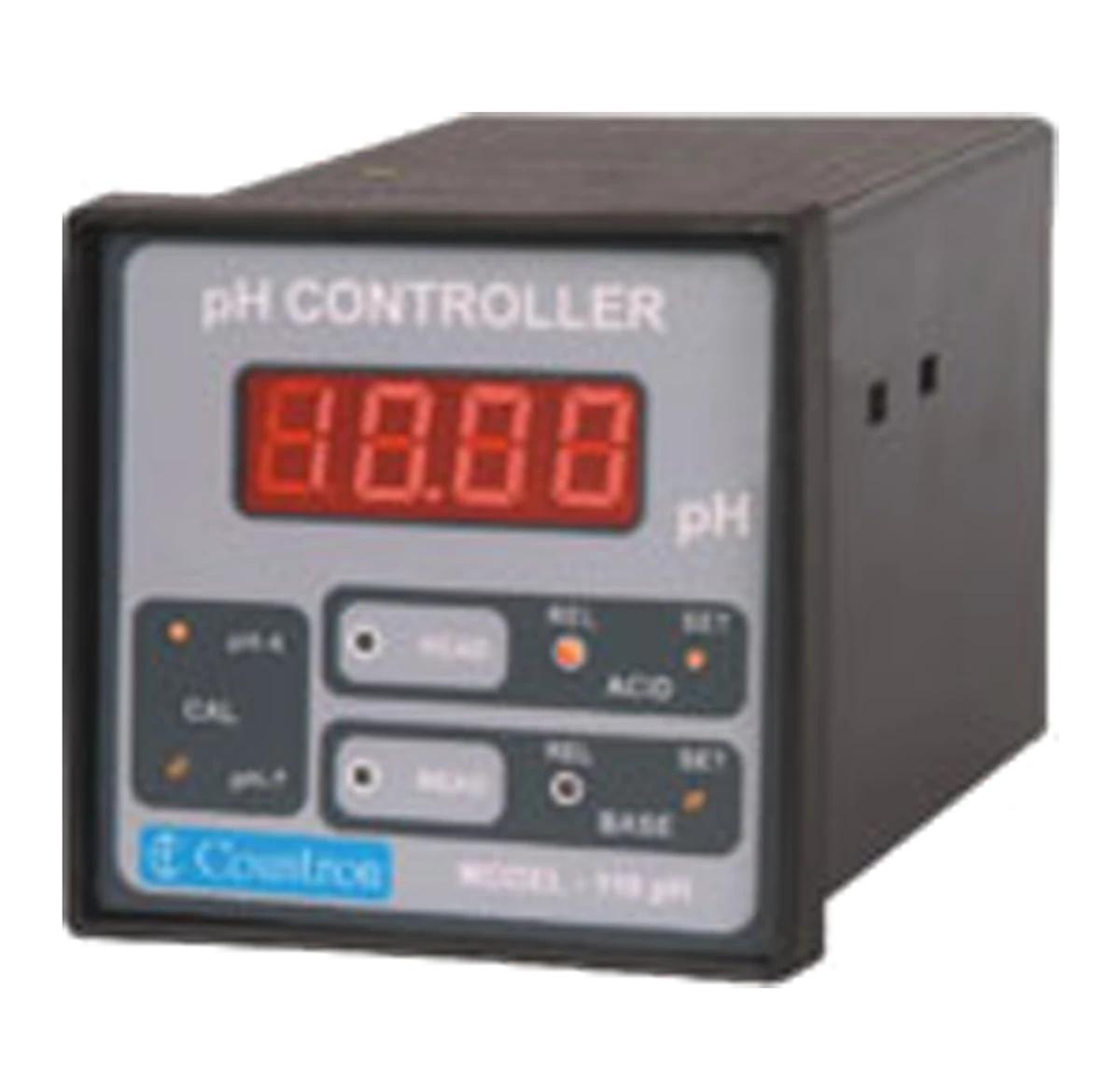
How a pH controller decides when and how much acid or alkali to dose: on/off vs proportional control, dead band, set points, dosing delay and the common tuning mistakes.
How Does A pH Controller Work? On/Off vs Proportional Dosing, Dead Band And Set Points
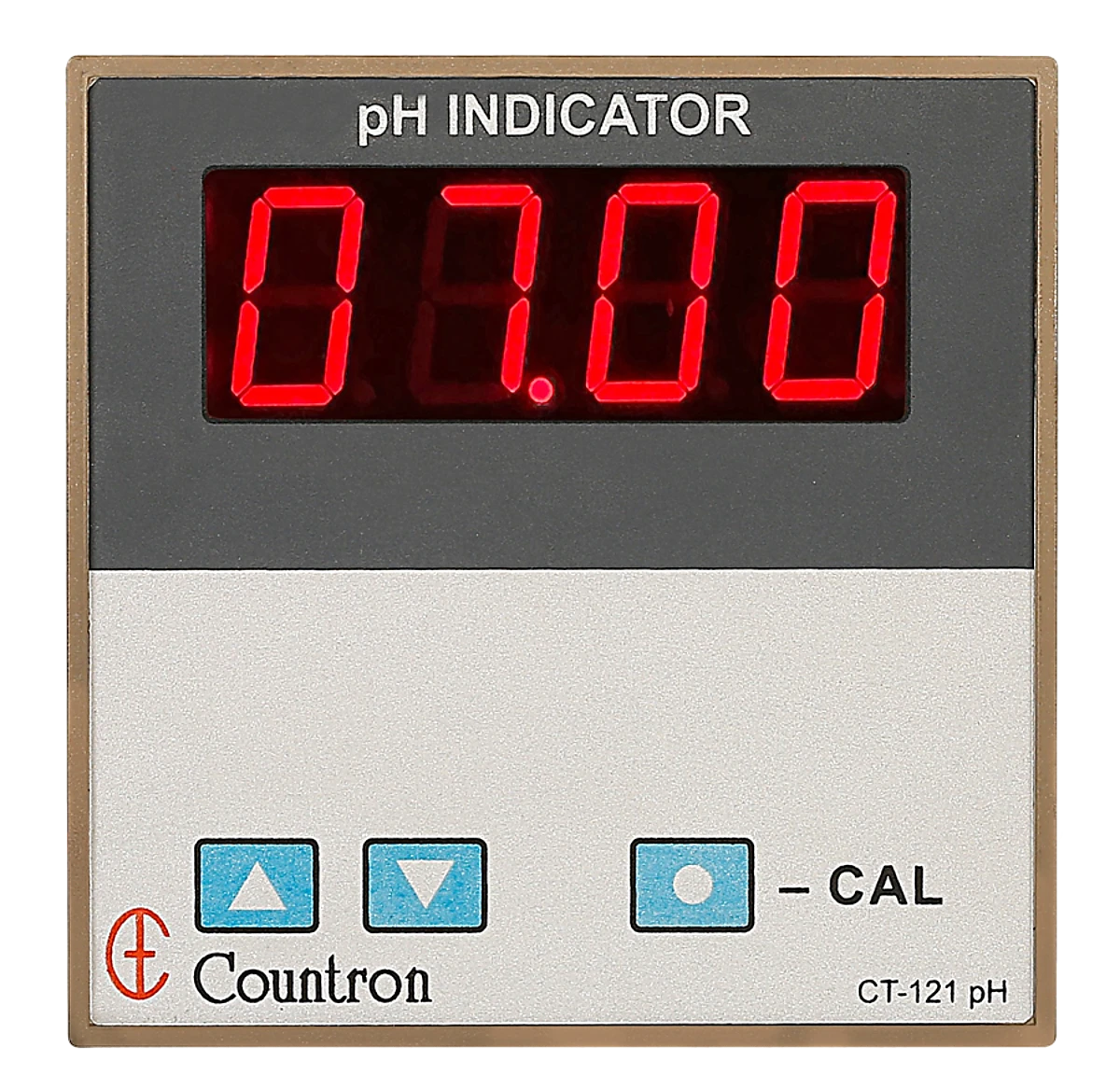
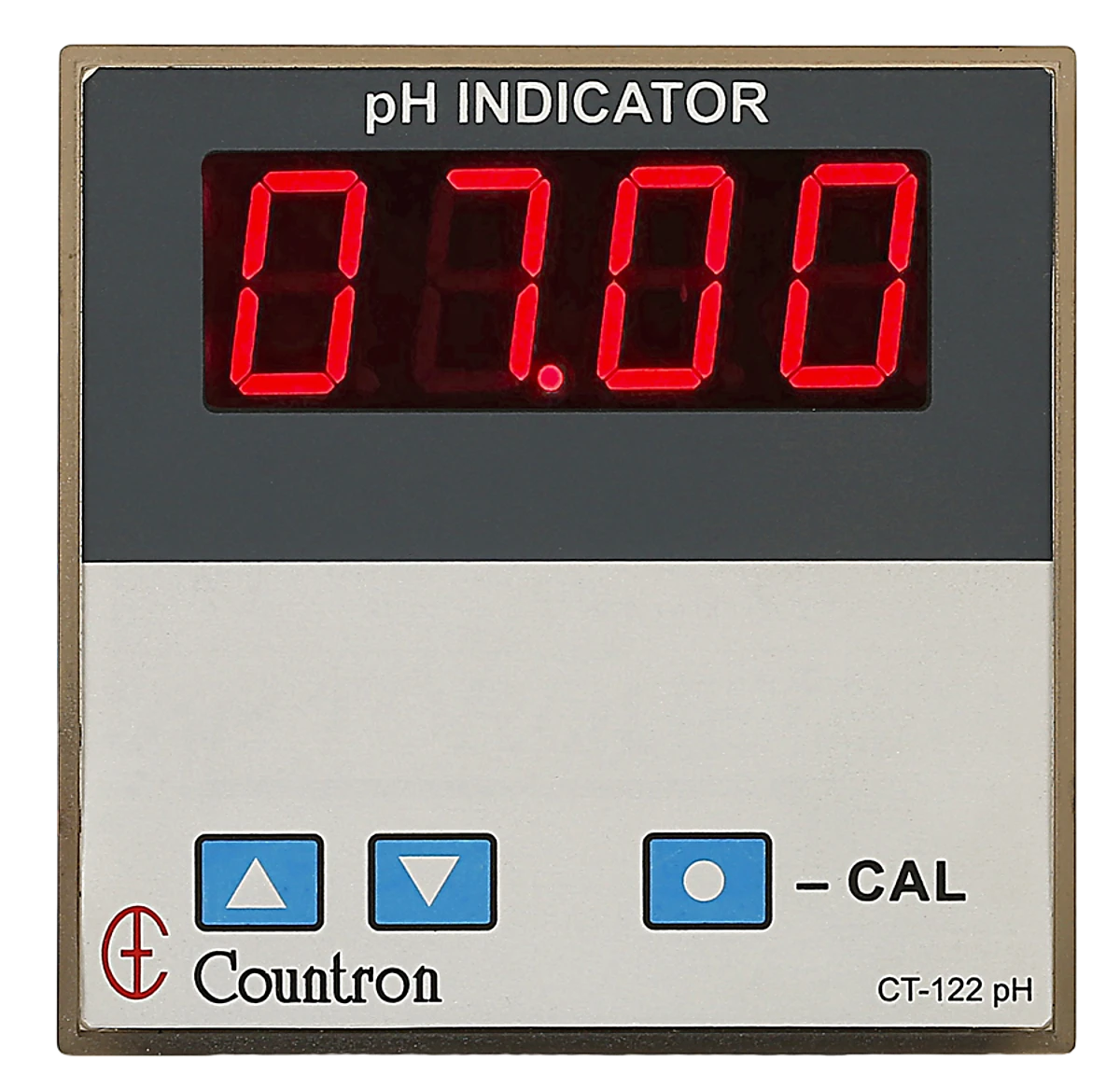
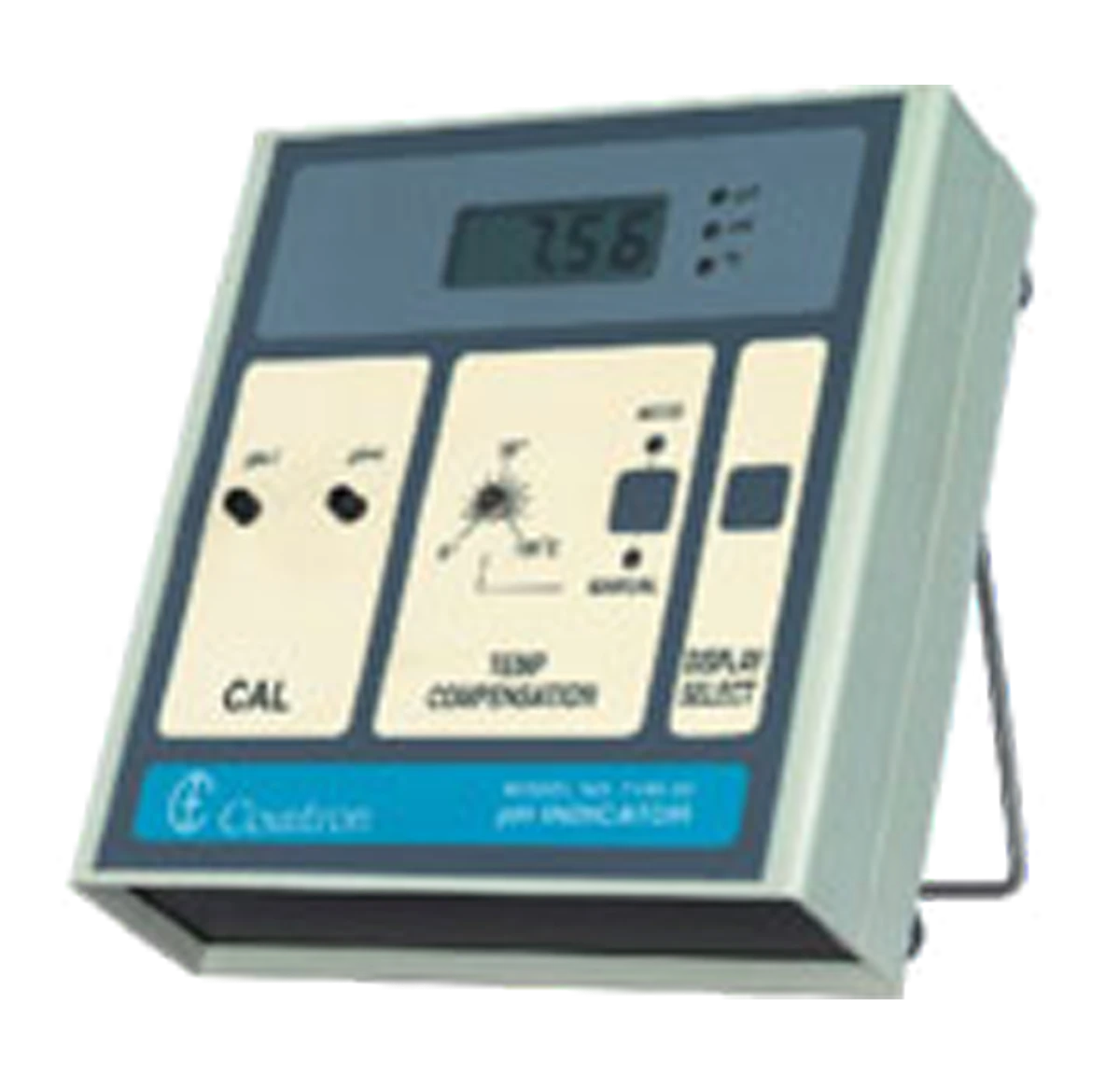
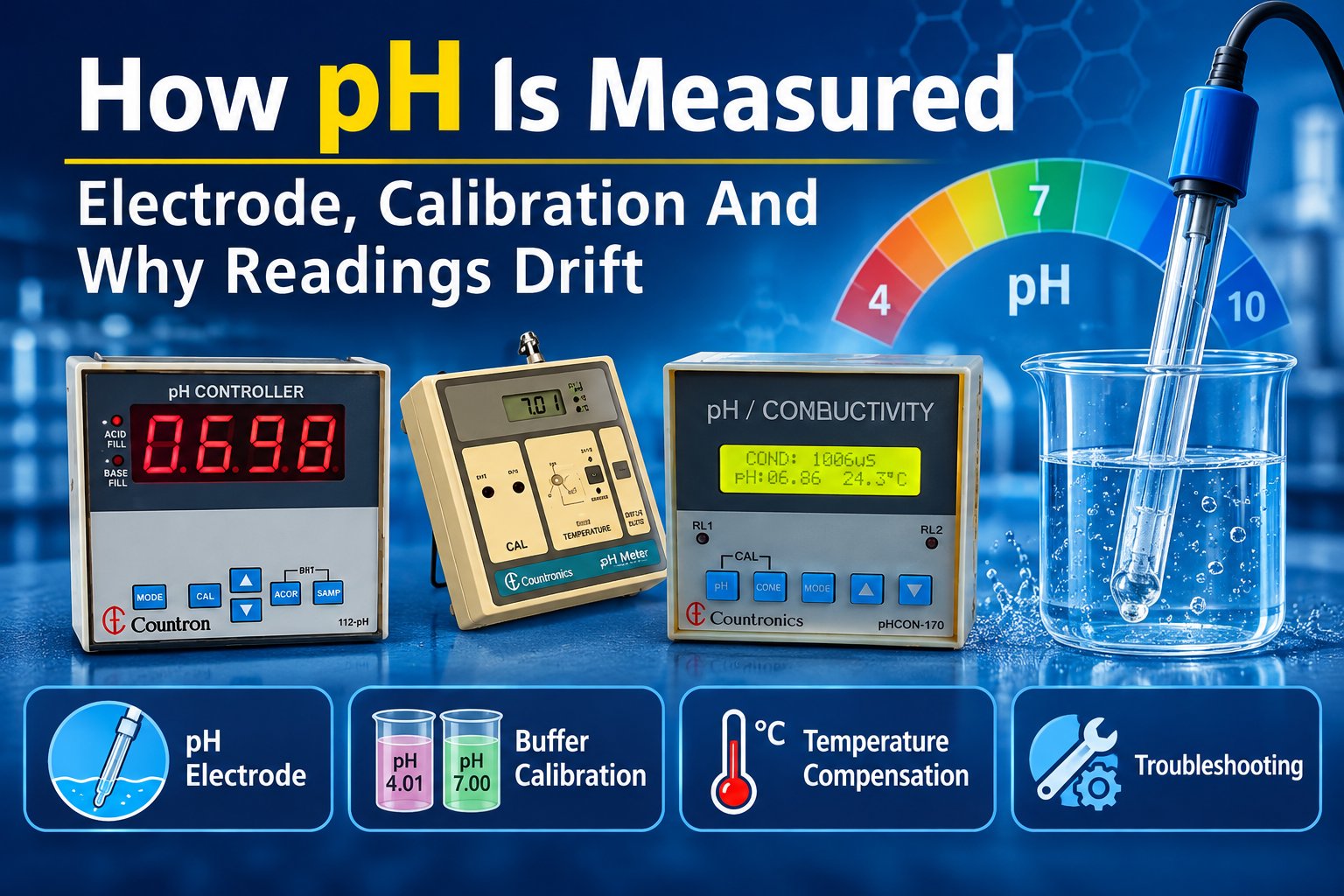
How a pH electrode works, how temperature affects readings, step-by-step two-point calibration, signs of a failing electrode and the installation mistakes behind most wrong pH readings.
How Is pH Measured? pH Electrode, Calibration And Why Readings Drift