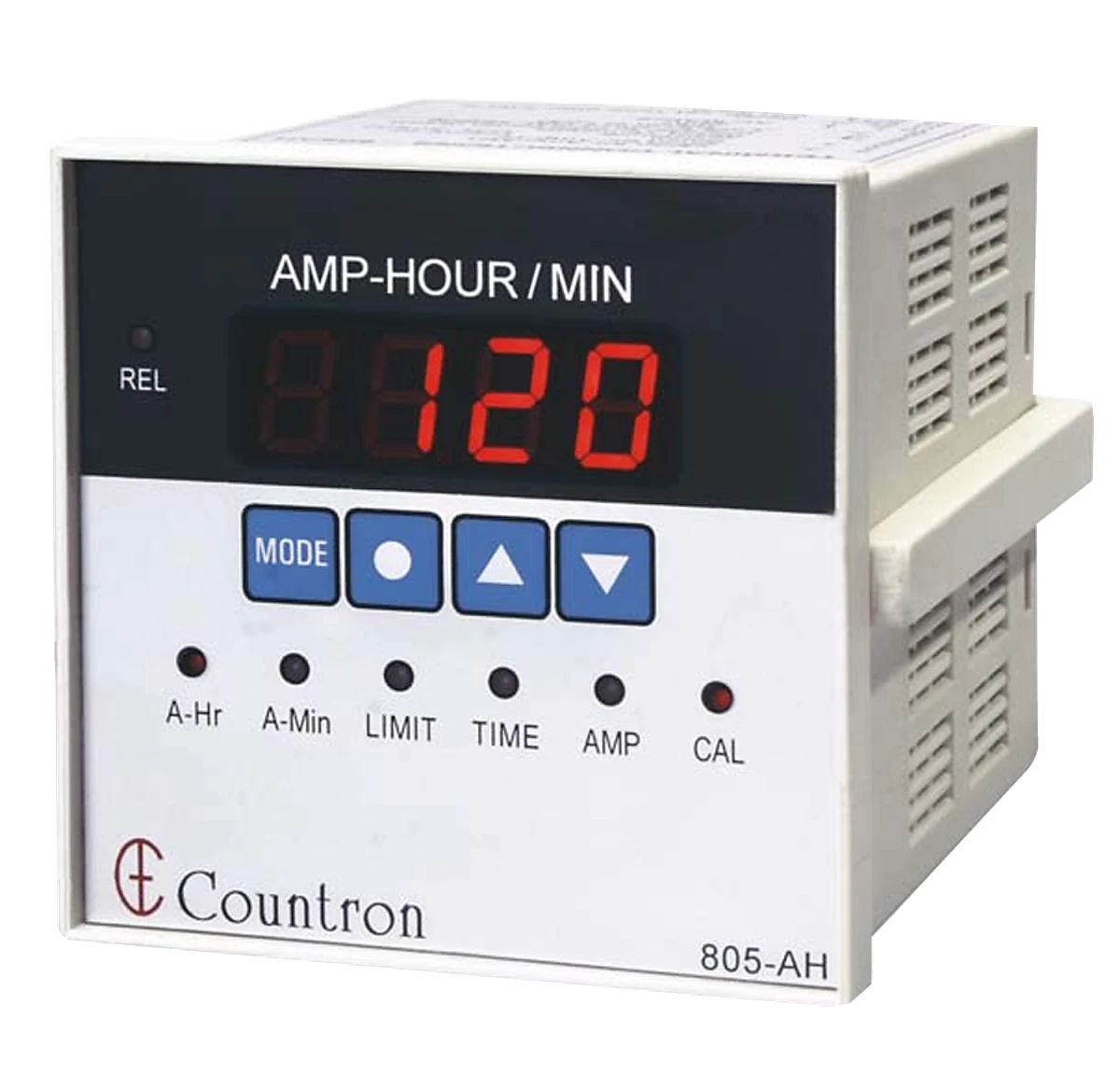
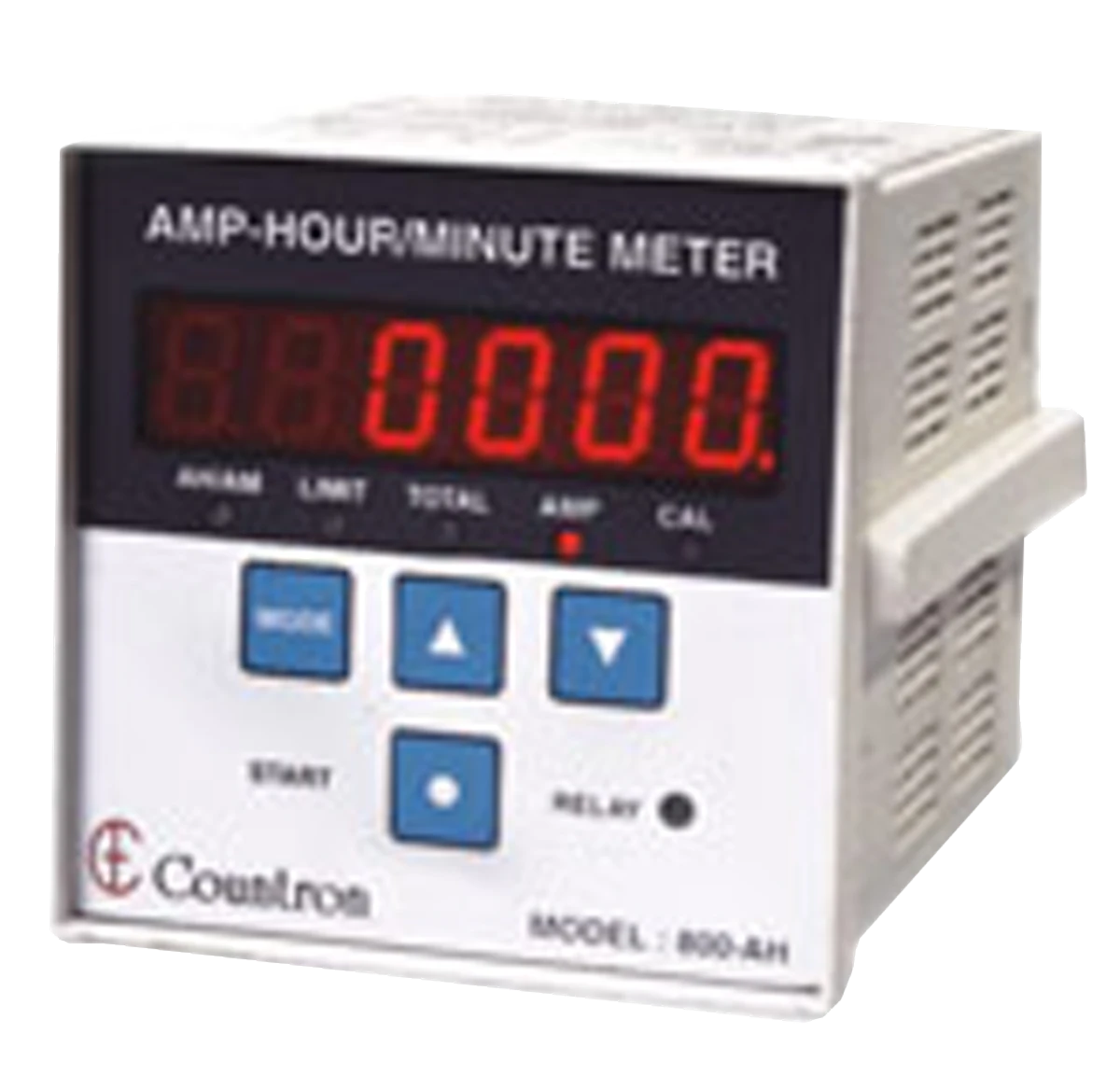
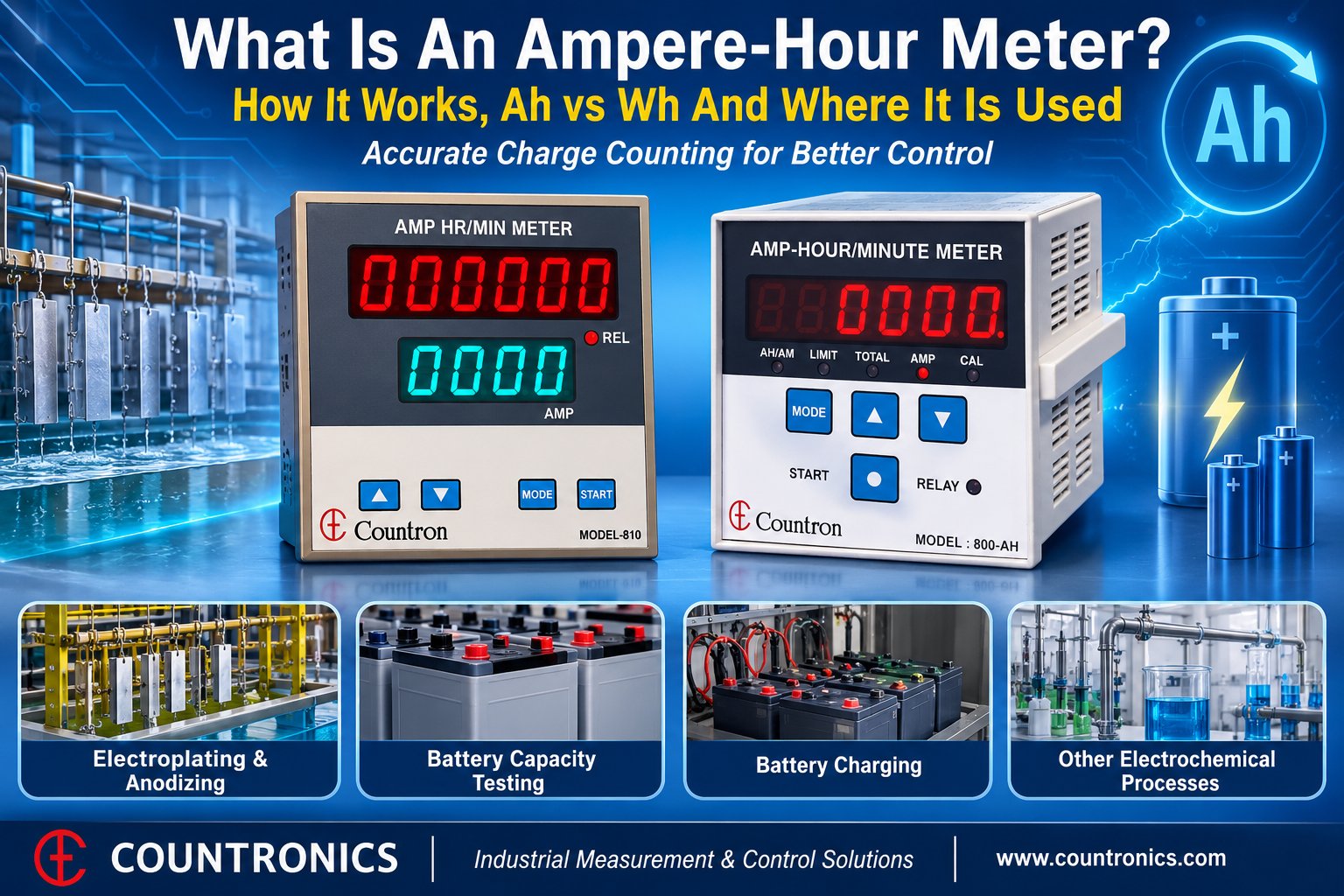
Troubleshooting wrong Ah meter readings: shunt rating mismatch, wrong sensing points, noise and zero offset, reset and unit errors, overheated shunts, and how to verify accuracy in 10 minutes.
Why Your Ampere-Hour Meter Reading Drifts: Common Errors And How To Fix Them
A practical guide to choosing an Ah meter: matching features to plating or battery work, shunt sizing and placement, Ah vs A·min, preset relays, reset options and power-fail memory.
How To Choose An Ampere-Hour Meter: Shunt Size, Range, Preset Relays And Reset Options
How to calculate the ampere-hours needed for a plating thickness using Faraday’s law, grams per Ah for common metals, a worked nickel example, and how to test battery capacity with Ah counting.
Ampere-Hour Calculation For Electroplating And Battery Testing: Faraday’s Law, Thickness And Capacity
What an ampere-hour means, how an Ah meter measures charge with a shunt, why it beats a timer in plating, where it is used, and the wiring mistakes that cause wrong readings.
What Is An Ampere-Hour Meter? How It Works, Ah vs Wh And Where It Is Used
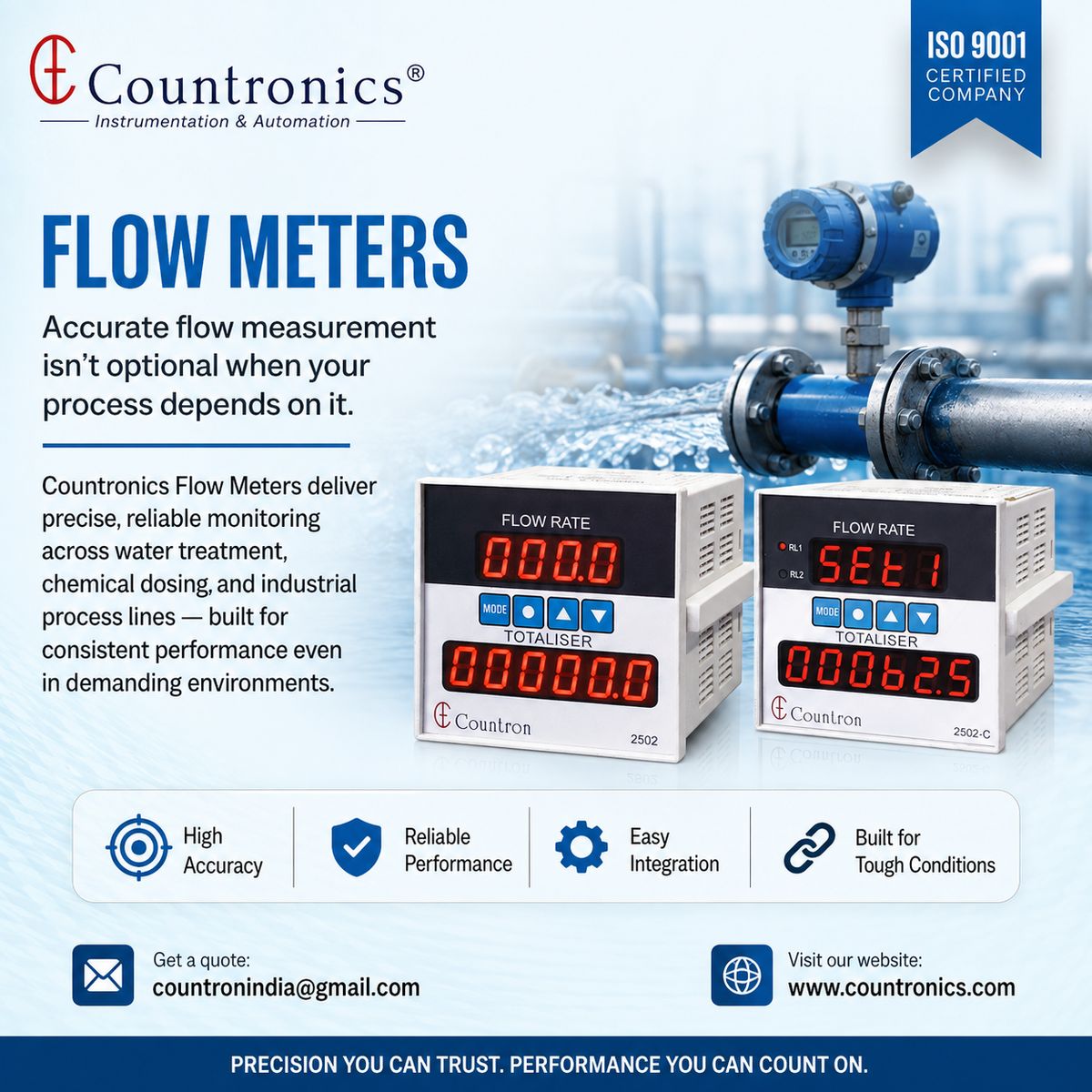
How to choose a flow meter type, how pulse and 4–20 mA signals become a flow reading, why DP meters need square-root extraction, unit conversions and the installation mistakes behind most errors.
Flow Meter Readings Wrong? K-Factor, Square Root Extraction and Installation Mistakes Explained
Typical storage temperature and humidity ranges for different goods, where to place gauges in a warehouse, how condensation forms, and how far a display can be read.
Warehouse Temperature and Humidity: Storage Ranges, Sensor Placement and Why Display Size Matters
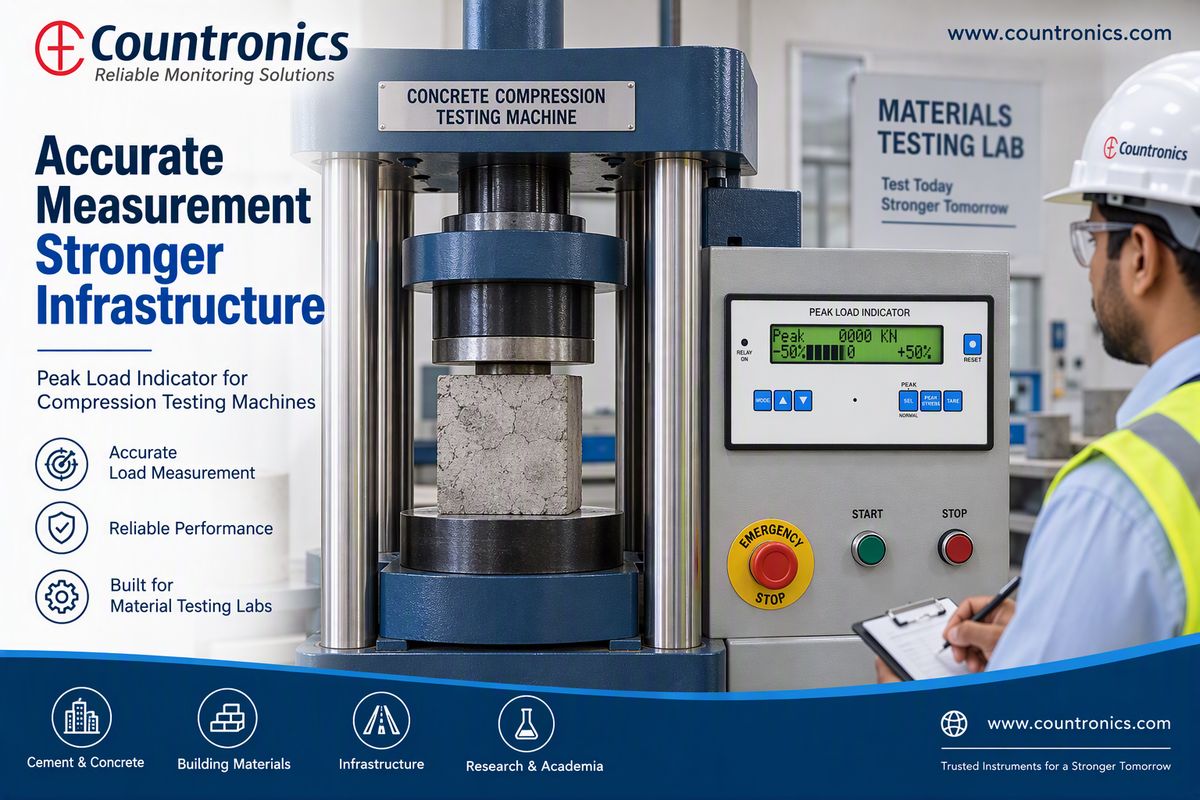
How peak load is used to calculate cube and tensile strength, the IS 516 loading rate, why reading the peak by eye understates results, and the mistakes that skew CTM and UTM tests.
Peak Load in Concrete Cube and Tensile Testing: Calculation, Loading Rate and Common Errors
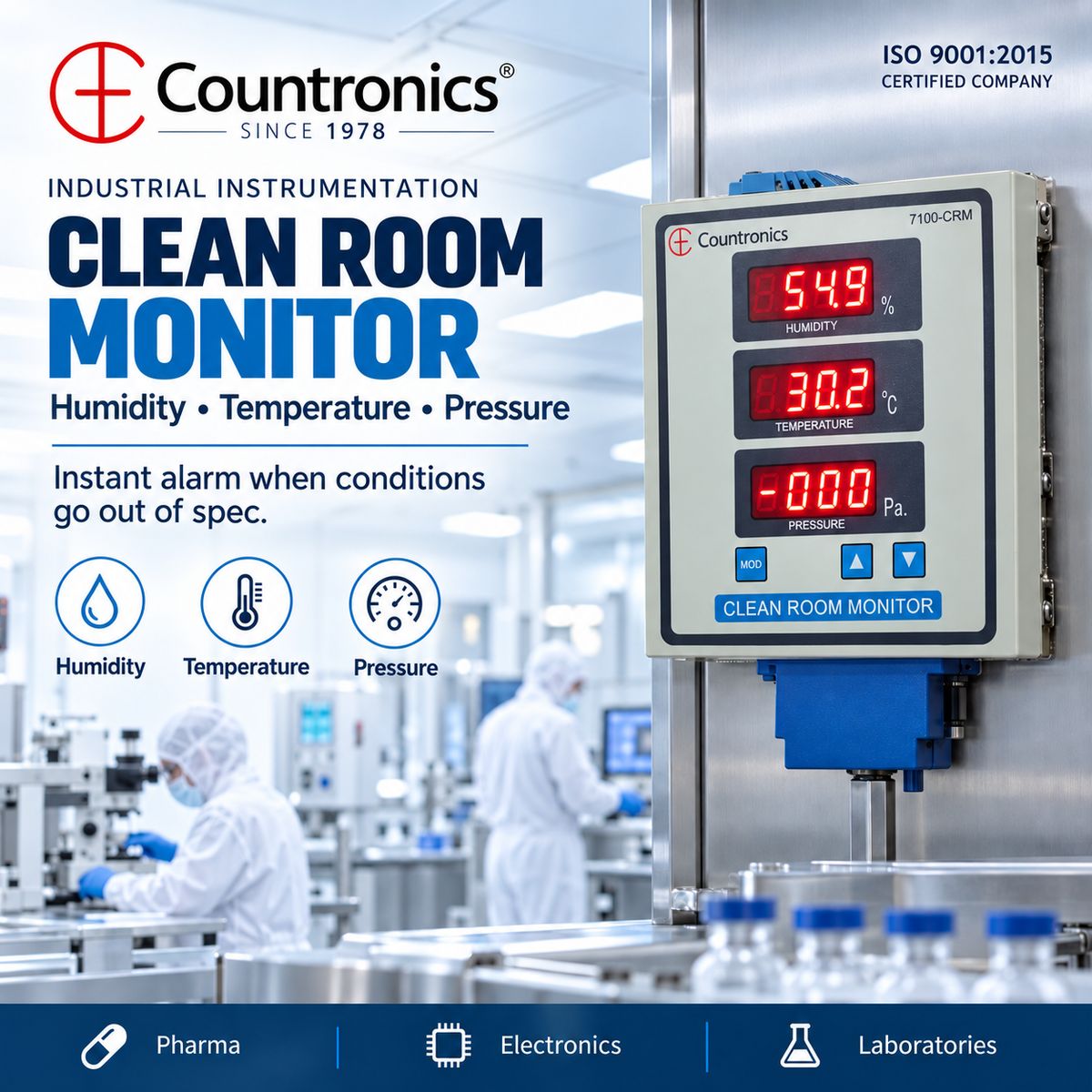
Typical clean room limits for temperature, humidity and differential pressure, why each matters, where to place sensors, and the monitoring mistakes that fail audits.
Clean Room Monitoring: What Temperature, Humidity and Pressure Should Your Clean Room Hold?
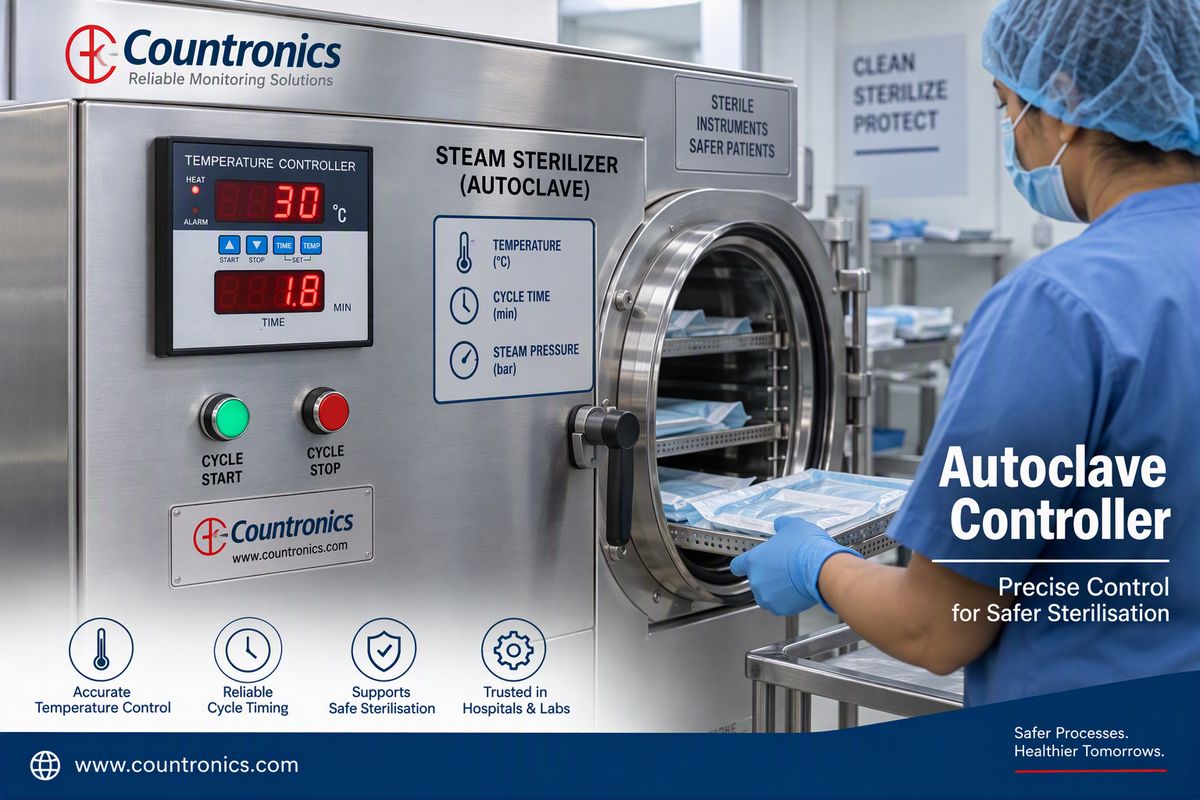
Standard autoclave cycles (121 °C and 134 °C), why heat-up time is not sterilization time, where the coldest point is, and how to confirm a load is actually sterile.
Autoclave Sterilization Time and Temperature: Why the Hold Time Must Start at Setpoint
A hotel pool with clear, odourless water. Guests swimming comfortably. The pool operator adds the same chlorine dose every morning that he has been adding for years. Yet a guest develops a skin
Swimming Pool pH and ORP Control — Why Chlorine Dose Alone Is Not Enough