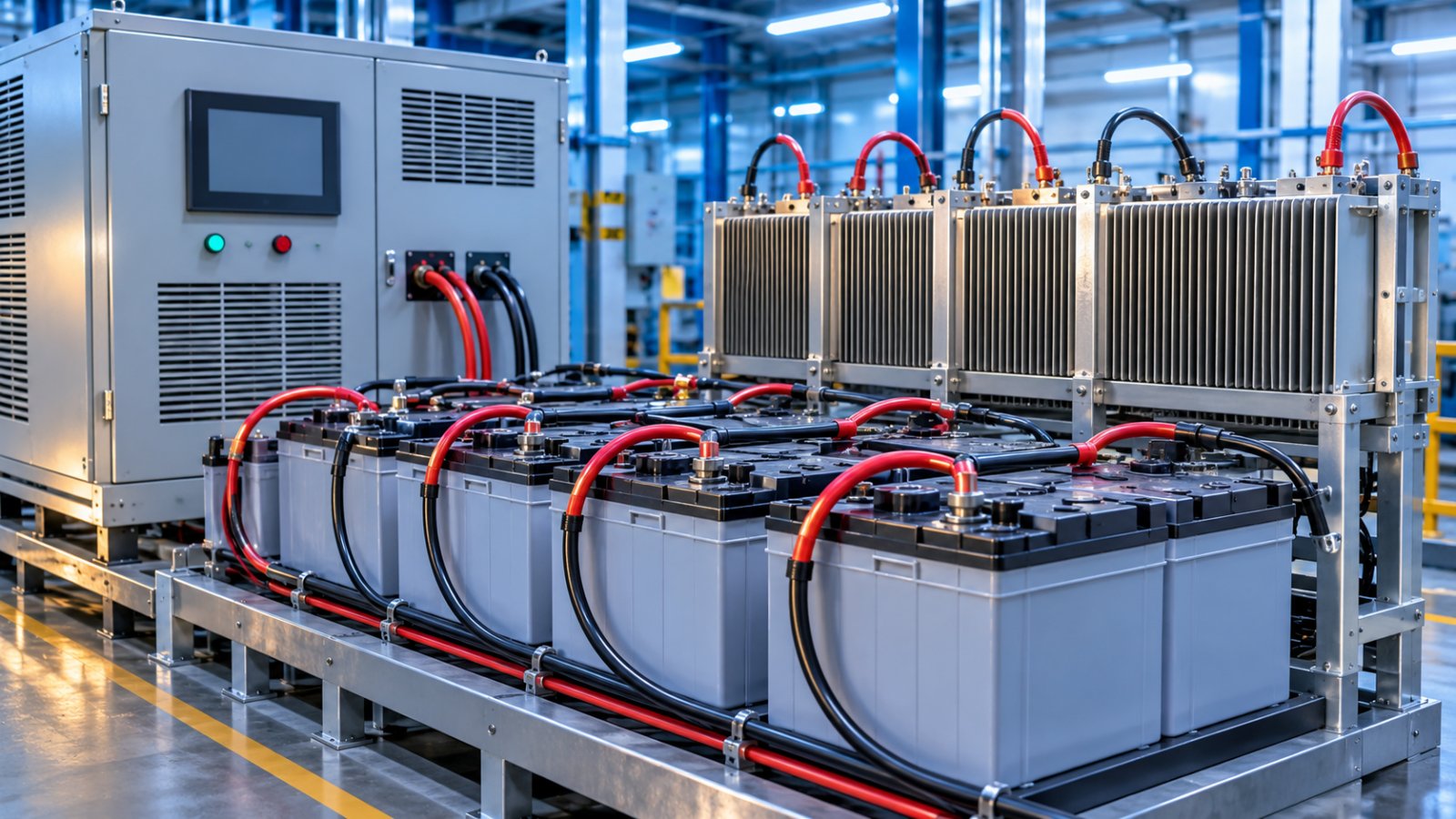
In short: A battery’s capacity is the ampere-hours it can deliver before reaching its cut-off voltage. A rectifier charger converts AC mains to controlled DC and charges in constant-current then constant-voltage stages; a
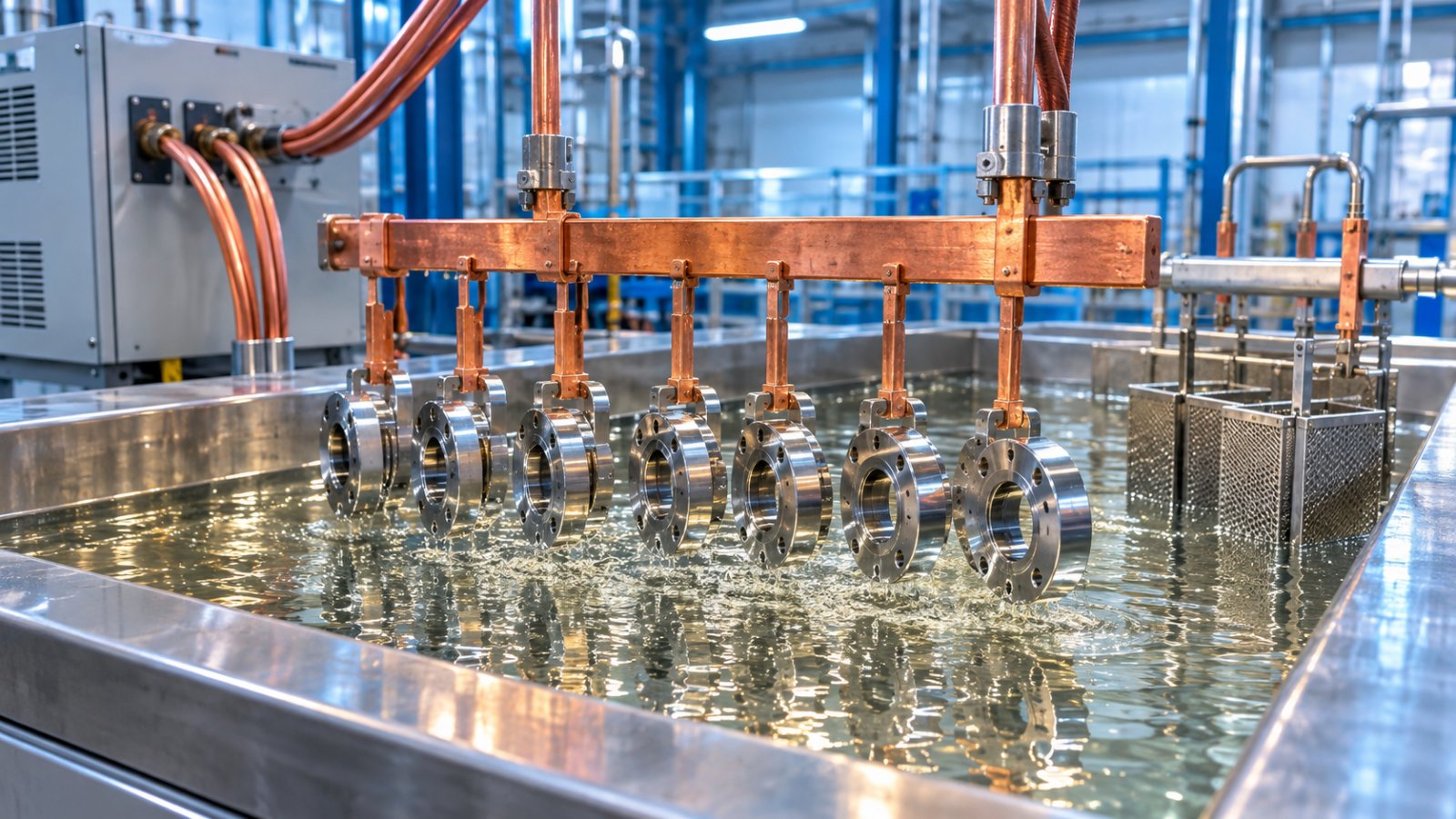
In short: In electroplating, metal is deposited on the part in direct proportion to the electric charge passed — ampere-hours (Ah). At 100 % efficiency, 1 Ah per dm² deposits about 12.3 µm
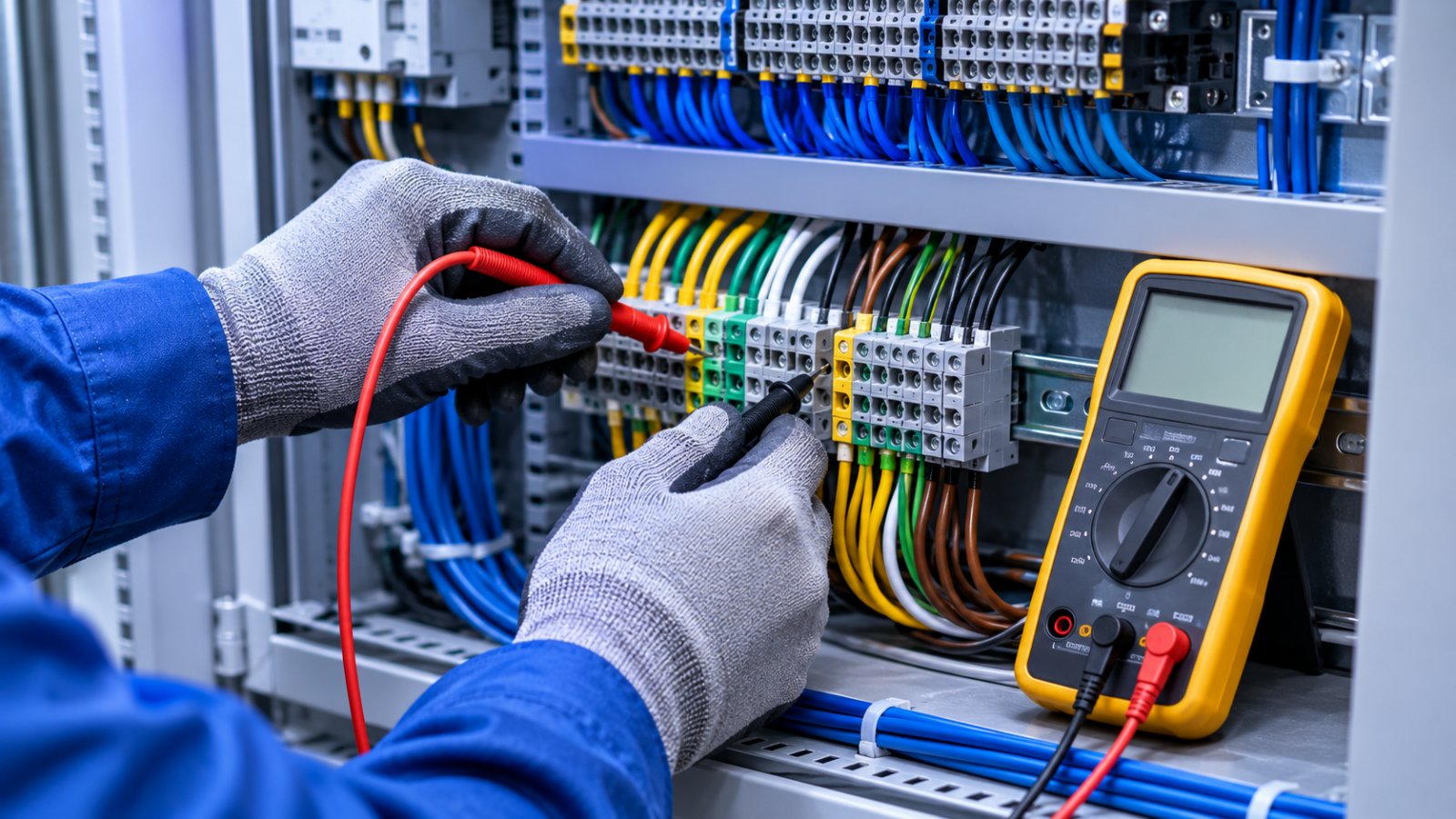
In short: Most thermocouple faults are wiring, not the sensor. Check in this order: right type selected in the instrument → polarity at every joint → same-type extension cable (no copper) → connections
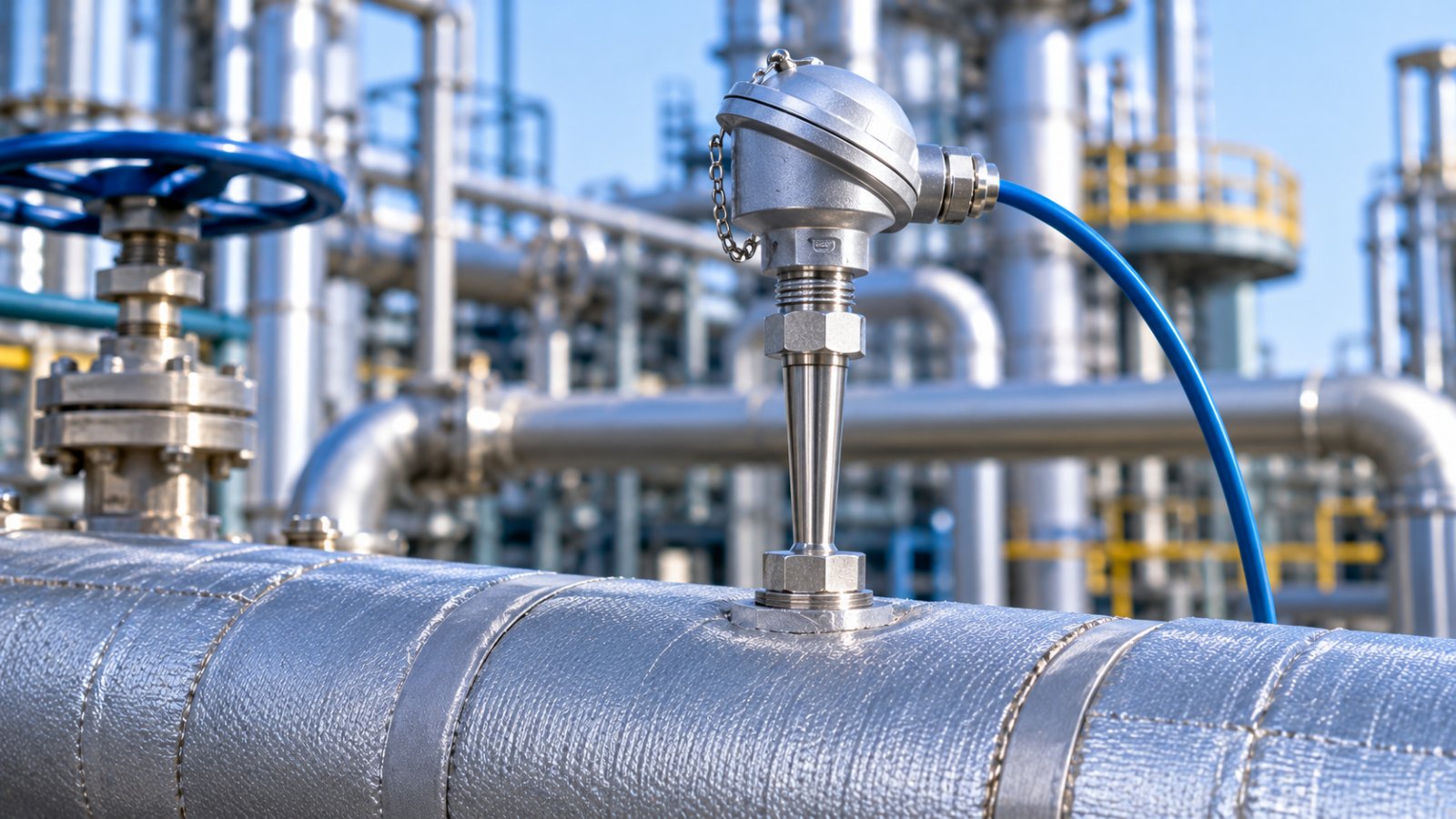
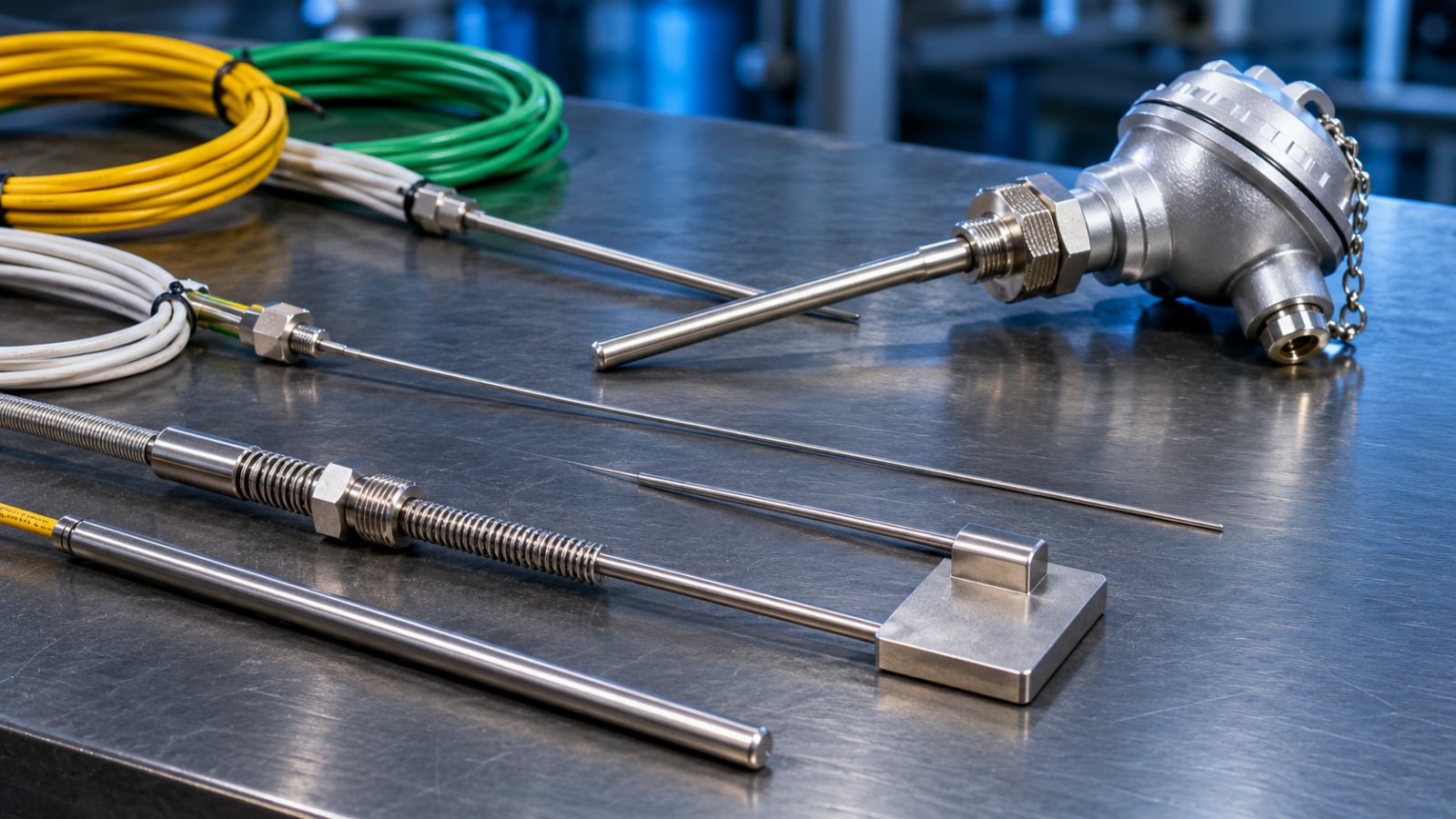
In short: A thermowell is a closed tube welded or screwed into a pipe or vessel so the temperature sensor can be removed without draining or depressurising the process. It protects the sensor
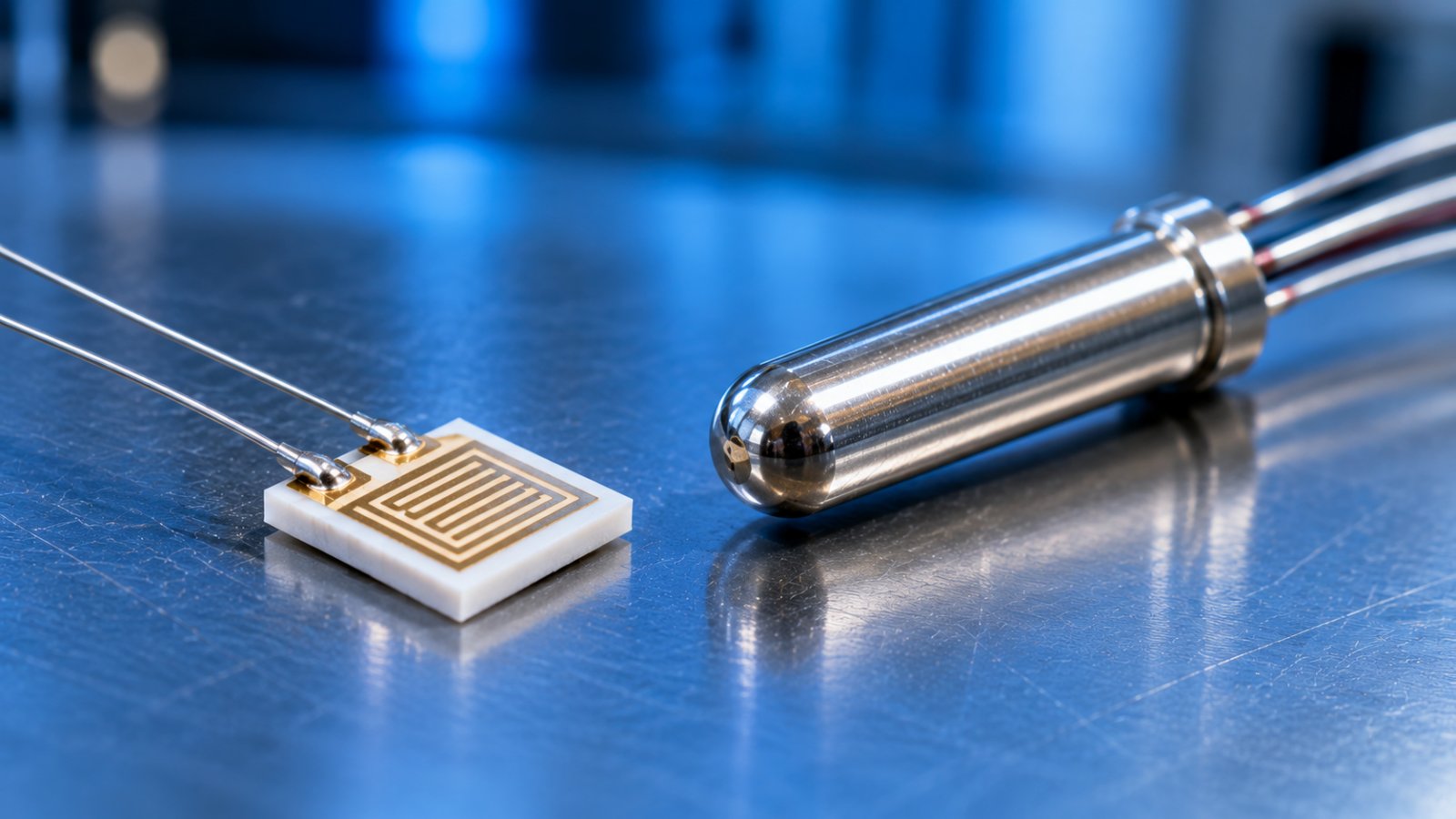
In short: A PT100 is a platinum resistor that measures 100 Ω at 0 °C and rises by about 0.385 Ω per °C (138.5 Ω at 100 °C). The instrument passes a small
In short: A grounded junction (welded to the sheath) responds fastest but can pick up electrical noise; an ungrounded junction (isolated inside the sheath) is slower but immune to ground loops and best